
Monday, December 10, 2018
Bamidbar – Number – Chapter 8(1-4)
| 1The Lord spoke to Moses, saying: | אוַיְדַבֵּ֥ר יְהֹוָ֖ה אֶל־משֶׁ֥ה לֵּאמֹֽר: | |
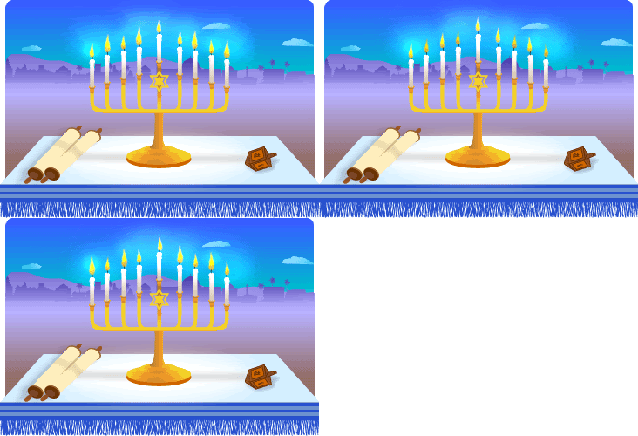
| 2Speak to Aaron and say to him: “When you light the lamps, the seven lamps shall cast their light toward the face of the menorah.” | בדַּבֵּר֙ אֶל־אַֽהֲרֹ֔ן וְאָֽמַרְתָּ֖ אֵלָ֑יו בְּהַֽעֲלֹֽתְךָ֙ אֶת־הַנֵּרֹ֔ת אֶל־מוּל֙ פְּנֵ֣י הַמְּנוֹרָ֔ה יָאִ֖ירוּ שִׁבְעַ֥ת הַנֵּרֽוֹת: | |
| 3Aaron did so; he lit the lamps toward the face of the menorah, as the Lord had commanded Moses. | גוַיַּ֤עַשׂ כֵּן֙ אַֽהֲרֹ֔ן אֶל־מוּל֙ פְּנֵ֣י הַמְּנוֹרָ֔ה הֶֽעֱלָ֖ה נֵֽרֹתֶ֑יהָ כַּֽאֲשֶׁ֛ר צִוָּ֥ה יְהֹוָ֖ה אֶת־משֶֽׁה: | |
| 4This was the form of the menorah: hammered work of gold, from its base to its flower it was hammered work; according to the form that the Lord had shown Moses, so did he construct the menorah. | דוְזֶ֨ה מַֽעֲשֵׂ֤ה הַמְּנֹרָה֙ מִקְשָׁ֣ה זָהָ֔ב עַד־יְרֵכָ֥הּ עַד־פִּרְחָ֖הּ מִקְשָׁ֣ה הִ֑וא כַּמַּרְאֶ֗ה אֲשֶׁ֨ר הֶרְאָ֤ה יְהֹוָה֙ אֶת־משֶׁ֔ה כֵּ֥ן עָשָׂ֖ה אֶת־הַמְּנֹרָֽה: |
Números 8(1-4)
Y le dijo el Eterno a Moisés: (2) “Dile a Aarón: Cuando enciendas las luces del candelabro, hazlo de modo que alumbren hace adelante”. (3) Y Aarón así lo hizo, orientando las siete luminarias hacia adelante, conforme a la orden impartída a Moisés por el Eterno. (4) La hechura del candelabro era de oro cincelado a martillo, tanto su tronco como sus flores(glóbulo), conforme al modelo que le había mostrado el Eterno a Moisés.
| 54On the eighth day, the chieftain was of the sons of Manasseh, Gamliel the son of Pedazhur. | נדבַּיּוֹם֙ הַשְּׁמִינִ֔י נָשִׂ֖יא לִבְנֵ֣י מְנַשֶּׁ֑ה גַּמְלִיאֵ֖ל בֶּן־פְּדָהצֽוּר: | |
| 55His offering was one silver bowl weighing one hundred and thirty [shekels], one silver sprinkling basin [weighing] seventy shekels according to the holy shekel, both filled with fine flour mixed with olive oil for a meal offering. | נהקָרְבָּנ֞וֹ קַֽעֲרַת־כֶּ֣סֶף אַחַ֗ת שְׁלשִׁ֣ים וּמֵאָה֘ מִשְׁקָלָהּ֒ מִזְרָ֤ק אֶחָד֙ כֶּ֔סֶף שִׁבְעִ֥ים שֶׁ֖קֶל בְּשֶׁ֣קֶל הַקֹּ֑דֶשׁ שְׁנֵיהֶ֣ם | מְלֵאִ֗ים סֹ֛לֶת בְּלוּלָ֥ה בַשֶּׁ֖מֶן לְמִנְחָֽה: | |
| 56One spoon [weighing] ten [shekels] of gold filled with incense. | נוכַּ֥ף אַחַ֛ת עֲשָׂרָ֥ה זָהָ֖ב מְלֵאָ֥ה קְטֹֽרֶת: | |
| 57One young bull, one ram and one lamb in its first year for a burnt offering. | נזפַּ֣ר אֶחָ֞ד בֶּן־בָּקָ֗ר אַ֧יִל אֶחָ֛ד כֶּֽבֶשׂ־אֶחָ֥ד בֶּן־שְׁנָת֖וֹ לְעֹלָֽה: | |
| 58One young he goat for a sin offering. | נחשְׂעִיר־עִזִּ֥ים אֶחָ֖ד לְחַטָּֽאת: | |
| 59And for the peace offering: two oxen, five rams, five he goats, five lambs in their first year; this was the offering of Gamliel the son of Pedazhur. | נטוּלְזֶ֣בַח הַשְּׁלָמִים֘ בָּקָ֣ר שְׁנַ֒יִם֒ אֵילִ֤ם חֲמִשָּׁה֙ עַתֻּדִ֣ים חֲמִשָּׁ֔ה כְּבָשִׂ֥ים בְּנֵֽי־שָׁנָ֖ה חֲמִשָּׁ֑ה זֶ֛ה קָרְבַּ֥ן גַּמְלִיאֵ֖ל בֶּן־פְּדָהצֽוּר: | |
| 60On the ninth day, the chieftain was of the sons of Benjamin, Abidan the son of Gideoni. | סבַּיּוֹם֙ הַתְּשִׁיעִ֔י נָשִׂ֖יא לִבְנֵ֣י בִנְיָמִ֑ן אֲבִידָ֖ן בֶּן־גִּדְעֹנִֽי: | |
| 61His offering was one silver bowl weighing one hundred and thirty [shekels], one silver sprinkling basin [weighing] seventy shekels according to the holy shekel, both filled with fine flour mixed with olive oil for a meal offering. | סאקָרְבָּנ֞וֹ קַֽעֲרַת־כֶּ֣סֶף אַחַ֗ת שְׁלשִׁ֣ים וּמֵאָה֘ מִשְׁקָלָהּ֒ מִזְרָ֤ק אֶחָד֙ כֶּ֔סֶף שִׁבְעִ֥ים שֶׁ֖קֶל בְּשֶׁ֣קֶל הַקֹּ֑דֶשׁ שְׁנֵיהֶ֣ם | מְלֵאִ֗ים סֹ֛לֶת בְּלוּלָ֥ה בַשֶּׁ֖מֶן לְמִנְחָֽה: | |
| 62One spoon [weighing] ten [shekels] of gold filled with incense. | סבכַּ֥ף אַחַ֛ת עֲשָׂרָ֥ה זָהָ֖ב מְלֵאָ֥ה קְטֹֽרֶת: | |
| 63One young bull, one ram and one lamb in its first year for a burnt offering. | סגפַּ֣ר אֶחָ֞ד בֶּן־בָּקָ֗ר אַ֧יִל אֶחָ֛ד כֶּֽבֶשׂ־אֶחָ֥ד בֶּן־שְׁנָת֖וֹ לְעֹלָֽה: | |
| 64One young he goat for a sin offering. | סדשְׂעִיר־עִזִּ֥ים אֶחָ֖ד לְחַטָּֽאת: | |
| 65And for the peace offering: two oxen, five rams, five he goats, five lambs in their first year; this was the offering of Abidan the son of Gideoni. | סהוּלְזֶ֣בַח הַשְּׁלָמִים֘ בָּקָ֣ר שְׁנַ֒יִם֒ אֵילִ֤ם חֲמִשָּׁה֙ עַתֻּדִ֣ים חֲמִשָּׁ֔ה כְּבָשִׂ֥ים בְּנֵֽי־שָׁנָ֖ה חֲמִשָּׁ֑ה זֶ֛ה קָרְבַּ֥ן אֲבִידָ֖ן בֶּן־גִּדְעֹנִֽי: | |
| 66On the tenth day, the chieftain was of the sons of Dan, Ahiezer the son of Ammishaddai. | סובַּיּוֹם֙ הָֽעֲשִׂירִ֔י נָשִׂ֖יא לִבְנֵ֣י דָ֑ן אֲחִיעֶ֖זֶר בֶּן־עַמִּֽישַׁדָּֽי: | |
| 67His offering was one silver bowl weighing one hundred and thirty [shekels], one silver sprinkling basin [weighing] seventy shekels according to the holy shekel, both filled with fine flour mixed with olive oil for a meal offering. | סזקָרְבָּנ֞וֹ קַֽעֲרַת־כֶּ֣סֶף אַחַ֗ת שְׁלשִׁ֣ים וּמֵאָה֘ מִשְׁקָלָהּ֒ מִזְרָ֤ק אֶחָד֙ כֶּ֔סֶף שִׁבְעִ֥ים שֶׁ֖קֶל בְּשֶׁ֣קֶל הַקֹּ֑דֶשׁ שְׁנֵיהֶ֣ם | מְלֵאִ֗ים סֹ֛לֶת בְּלוּלָ֥ה בַשֶּׁ֖מֶן לְמִנְחָֽה: | |
| 68One spoon [weighing] ten [shekels] of gold filled with incense. | סחכַּ֥ף אַחַ֛ת עֲשָׂרָ֥ה זָהָ֖ב מְלֵאָ֥ה קְטֹֽרֶת: | |
| 69One young bull, one ram and one lamb in its first year for a burnt offering. | סטפַּ֣ר אֶחָ֞ד בֶּן־בָּקָ֗ר אַ֧יִל אֶחָ֛ד כֶּֽבֶשׂ־אֶחָ֥ד בֶּן־שְׁנָת֖וֹ לְעֹלָֽה: | |
| 70One young he goat for a sin offering. | עשְׂעִיר־עִזִּ֥ים אֶחָ֖ד לְחַטָּֽאת: | |
| 71And for the peace offering: two oxen, five rams, five he goats, five lambs in their first year; this was the offering of Ahiezer the son of Ammishaddai. | עאוּלְזֶ֣בַח הַשְּׁלָמִים֘ בָּקָ֣ר שְׁנַ֒יִם֒ אֵילִ֤ם חֲמִשָּׁה֙ עַתֻּדִ֣ים חֲמִשָּׁ֔ה כְּבָשִׂ֥ים בְּנֵֽי־שָׁנָ֖ה חֲמִשָּׁ֑ה זֶ֛ה קָרְבַּ֥ן אֲחִיעֶ֖זֶר בֶּן־עַמִּֽישַׁדָּֽי: | |
| 72On the eleventh day, the chieftain was of the sons of Asher, Pag’iel the son of Ochran. | עבבְּיוֹם֙ עַשְׁתֵּ֣י עָשָׂ֣ר י֔וֹם נָשִׂ֖יא לִבְנֵ֣י אָשֵׁ֑ר פַּגְעִיאֵ֖ל בֶּן־עָכְרָֽן: | |
| 73His offering was one silver bowl weighing one hundred and thirty [shekels], one silver sprinkling basin [weighing] seventy shekels according to the holy shekel, both filled with fine flour mixed with olive oil for a meal offering. | עגקָרְבָּנ֞וֹ קַֽעֲרַת־כֶּ֣סֶף אַחַ֗ת שְׁלשִׁ֣ים וּמֵאָה֘ מִשְׁקָלָהּ֒ מִזְרָ֤ק אֶחָד֙ כֶּ֔סֶף שִׁבְעִ֥ים שֶׁ֖קֶל בְּשֶׁ֣קֶל הַקֹּ֑דֶשׁ שְׁנֵיהֶ֣ם | מְלֵאִ֗ים סֹ֛לֶת בְּלוּלָ֥ה בַשֶּׁ֖מֶן לְמִנְחָֽה: | |
| 74One spoon [weighing] ten [shekels] of gold filled with incense. | עדכַּ֥ף אַחַ֛ת עֲשָׂרָ֥ה זָהָ֖ב מְלֵאָ֥ה קְטֹֽרֶת: | |
| 75One young bull, one ram and one lamb in its first year for a burnt offering. | עהפַּ֣ר אֶחָ֞ד בֶּן־בָּקָ֗ר אַ֧יִל אֶחָ֛ד כֶּֽבֶשׂ־אֶחָ֥ד בֶּן־שְׁנָת֖וֹ לְעֹלָֽה: | |
| 76One young he goat for a sin offering. | עושְׂעִיר־עִזִּ֥ים אֶחָ֖ד לְחַטָּֽאת: | |
| 77And for the peace offering: two oxen, five rams, five he goats, five lambs in their first year; this was the offering of Pag’iel the son of Ochran. | עזוּלְזֶ֣בַח הַשְּׁלָמִים֘ בָּקָ֣ר שְׁנַ֒יִם֒ אֵילִ֤ם חֲמִשָּׁה֙ עַתֻּדִ֣ים חֲמִשָּׁ֔ה כְּבָשִׂ֥ים בְּנֵֽי־שָׁנָ֖ה חֲמִשָּׁ֑ה זֶ֛ה קָרְבַּ֥ן פַּגְעִיאֵ֖ל בֶּן־עָכְרָֽן: | |
| 78On the twelfth day, the chieftain was of the sons of Naphtali, Ahira the son of Enan. | עחבְּיוֹם֙ שְׁנֵ֣ים עָשָׂ֣ר י֔וֹם נָשִׂ֖יא לִבְנֵ֣י נַפְתָּלִ֑י אֲחִירַ֖ע בֶּן־עֵינָֽן: | |
| 79His offering was one silver bowl weighing one hundred and thirty [shekels], one silver sprinkling basin [weighing] seventy shekels according to the holy shekel, both filled with fine flour mixed with olive oil for a meal offering. | עטקָרְבָּנ֞וֹ קַֽעֲרַת־כֶּ֣סֶף אַחַ֗ת שְׁלשִׁ֣ים וּמֵאָה֘ מִשְׁקָלָהּ֒ מִזְרָ֤ק אֶחָד֙ כֶּ֔סֶף שִׁבְעִ֥ים שֶׁ֖קֶל בְּשֶׁ֣קֶל הַקֹּ֑דֶשׁ שְׁנֵיהֶ֣ם | מְלֵאִ֗ים סֹ֛לֶת בְּלוּלָ֥ה בַשֶּׁ֖מֶן לְמִנְחָֽה: | |
| 80One spoon [weighing] ten [shekels] of gold filled with incense. | פכַּ֥ף אַחַ֛ת עֲשָׂרָ֥ה זָהָ֖ב מְלֵאָ֥ה קְטֹֽרֶת: | |
| 81One young bull, one ram and one lamb in its first year for a burnt offering. | פאפַּ֣ר אֶחָ֞ד בֶּן־בָּקָ֗ר אַ֧יִל אֶחָ֛ד כֶּֽבֶשׂ־אֶחָ֥ד בֶּן־שְׁנָת֖וֹ לְעֹלָֽה: | |
| 82One young he goat for a sin offering. | פבשְׂעִיר־עִזִּ֥ים אֶחָ֖ד לְחַטָּֽאת: | |
| 83And for the peace offering: two oxen, five rams, five he goats, five lambs in their first year; this was the offering of Ahira the son of Enan. | פגוּלְזֶ֣בַח הַשְּׁלָמִים֘ בָּקָ֣ר שְׁנַ֒יִם֒ אֵילִ֤ם חֲמִשָּׁה֙ עַתֻּדִ֣ים חֲמִשָּׁ֔ה כְּבָשִׂ֥ים בְּנֵֽי־שָׁנָ֖ה חֲמִשָּׁ֑ה זֶ֛ה קָרְבַּ֥ן אֲחִירַ֖ע בֶּן־עֵינָֽן: | |
| 84This was the dedication offering of the altar presented by the chieftains on the day it was anointed; there were twelve silver bowls, twelve silver basins and twelve gold spoons. | פדזֹ֣את | חֲנֻכַּ֣ת הַמִּזְבֵּ֗חַ בְּיוֹם֙ הִמָּשַׁ֣ח אֹת֔וֹ מֵאֵ֖ת נְשִׂיאֵ֣י יִשְׂרָאֵ֑ל קַֽעֲרֹ֨ת כֶּ֜סֶף שְׁתֵּ֣ים עֶשְׂרֵ֗ה מִזְרְקֵי־כֶ֨סֶף֙ שְׁנֵ֣ים עָשָׂ֔ר כַּפּ֥וֹת זָהָ֖ב שְׁתֵּ֥ים עֶשְׂרֵֽה: | |
| 85The weight of each silver bowl was one hundred and thirty [shekels], and that of each basin was seventy [shekels]; all the silver of the vessels weighed in total two thousand four hundred [shekels] according to the holy shekel. | פהשְׁלשִׁ֣ים וּמֵאָ֗ה הַקְּעָרָ֤ה הָֽאַחַת֙ כֶּ֔סֶף וְשִׁבְעִ֖ים הַמִּזְרָ֣ק הָֽאֶחָ֑ד כֹּ֚ל כֶּ֣סֶף הַכֵּלִ֔ים אַלְפַּ֥יִם וְאַרְבַּע־מֵא֖וֹת בְּשֶׁ֥קֶל הַקֹּֽדֶשׁ: | |
| 86Twelve gold spoons filled with incense; each spoon weighing ten [shekels] according to the holy shekel; all the gold spoons totaled one hundred and twenty shekels. | פוכַּפּ֨וֹת זָהָ֤ב שְׁתֵּֽים־עֶשְׂרֵה֙ מְלֵאֹ֣ת קְטֹ֔רֶת עֲשָׂרָ֧ה עֲשָׂרָ֛ה הַכַּ֖ף בְּשֶׁ֣קֶל הַקֹּ֑דֶשׁ כָּל־זְהַ֥ב הַכַּפּ֖וֹת עֶשְׂרִ֥ים וּמֵאָֽה: | |
| 87The total of the cattle for the burnt offerings was twelve bulls, twelve rams, and twelve lambs in their first year with their meal offerings. And [there were] twelve young he goats for sin offerings. | פזכָּל־הַבָּקָ֨ר לָֽעֹלָ֜ה שְׁנֵ֧ים עָשָׂ֣ר פָּרִ֗ים אֵילִ֤ם שְׁנֵֽים־עָשָׂר֙ כְּבָשִׂ֧ים בְּנֵֽי־שָׁנָ֛ה שְׁנֵ֥ים עָשָׂ֖ר וּמִנְחָתָ֑ם וּשְׂעִירֵ֥י עִזִּ֛ים שְׁנֵ֥ים עָשָׂ֖ר לְחַטָּֽאת: | |
| 88The total of cattle for the peace offerings was twenty four oxen, sixty rams, sixty he goats, and sixty lambs in their first year. This was the dedication offering for the altar, after it was anointed. | פחוְכֹ֞ל בְּקַ֣ר | זֶ֣בַח הַשְּׁלָמִ֗ים עֶשְׂרִ֣ים וְאַרְבָּעָה֘ פָּרִים֒ אֵילִ֤ם שִׁשִּׁים֙ עַתֻּדִ֣ים שִׁשִּׁ֔ים כְּבָשִׂ֥ים בְּנֵֽי־שָׁנָ֖ה שִׁשִּׁ֑ים זֹ֚את חֲנֻכַּ֣ת הַמִּזְבֵּ֔חַ אַֽחֲרֵ֖י הִמָּשַׁ֥ח אֹתֽוֹ: | |
| 89When Moses would come into the Tent of Meeting to speak with Him, he would hear the voice speaking to him from the two cherubim above the covering which was over the Ark of Testimony, and He spoke to him. | פטוּבְבֹ֨א משֶׁ֜ה אֶל־אֹ֣הֶל מוֹעֵד֘ לְדַבֵּ֣ר אִתּוֹ֒ וַיִּשְׁמַ֨ע אֶת־הַקּ֜וֹל מִדַּבֵּ֣ר אֵלָ֗יו מֵעַ֤ל הַכַּפֹּ֨רֶת֙ אֲשֶׁר֙ עַל־אֲרֹ֣ן הָֽעֵדֻ֔ת מִבֵּ֖ין שְׁנֵ֣י הַכְּרֻבִ֑ים וַיְדַבֵּ֖ר אֵלָֽיו: |
Bamidbar – Number – Chapter 8
| 1The Lord spoke to Moses, saying: | אוַיְדַבֵּ֥ר יְהֹוָ֖ה אֶל־משֶׁ֥ה לֵּאמֹֽר: | |
| 2Speak to Aaron and say to him: “When you light the lamps, the seven lamps shall cast their light toward the face of the menorah.” | בדַּבֵּר֙ אֶל־אַֽהֲרֹ֔ן וְאָֽמַרְתָּ֖ אֵלָ֑יו בְּהַֽעֲלֹֽתְךָ֙ אֶת־הַנֵּרֹ֔ת אֶל־מוּל֙ פְּנֵ֣י הַמְּנוֹרָ֔ה יָאִ֖ירוּ שִׁבְעַ֥ת הַנֵּרֽוֹת: | |
| 3Aaron did so; he lit the lamps toward the face of the menorah, as the Lord had commanded Moses. | גוַיַּ֤עַשׂ כֵּן֙ אַֽהֲרֹ֔ן אֶל־מוּל֙ פְּנֵ֣י הַמְּנוֹרָ֔ה הֶֽעֱלָ֖ה נֵֽרֹתֶ֑יהָ כַּֽאֲשֶׁ֛ר צִוָּ֥ה יְהֹוָ֖ה אֶת־משֶֽׁה: | |
| 4This was the form of the menorah: hammered work of gold, from its base to its flower it was hammered work; according to the form that the Lord had shown Moses, so did he construct the menorah. | דוְזֶ֨ה מַֽעֲשֵׂ֤ה הַמְּנֹרָה֙ מִקְשָׁ֣ה זָהָ֔ב עַד־יְרֵכָ֥הּ עַד־פִּרְחָ֖הּ מִקְשָׁ֣ה הִ֑וא כַּמַּרְאֶ֗ה אֲשֶׁ֨ר הֶרְאָ֤ה יְהֹוָה֙ אֶת־משֶׁ֔ה כֵּ֥ן עָשָׂ֖ה אֶת־הַמְּנֹרָֽה: |
Estos versos, hablan de las ofrendas que presentaron los jefes de las tribus de Israel, el día que Moisés termino de construir el Tabernáculo.
Números 7 (54 – 89)
Daily Thought

Some people are waiting for a final, apocalyptic war.
But the final war is fought
not on battlefields,
nor at sea,
nor in the skies above.
Neither is it a war between leaders or nations.
The final war is fought in the heart of each human being,
with the armies of his or her deeds in this world.
And with a simple decision:
Am I here to be swallowed alive into the meaningless confusion?
Or am I here to shine light?
The final war is the battle of Chanukah
and the miracle of light.

Pensamiento diario
La Ultima Guerra
Algunas personas están esperando una guerra final, apocalíptica.
Pero la guerra final se libra.
no en los campos de batalla,
ni en el mar,
ni en los cielos de arriba.
Tampoco es una guerra entre líderes o naciones.
La guerra final se libra en el corazón de cada ser humano,
con los ejércitos de sus obras en este mundo.
Y con una simple decisión:
¿Estoy aquí para ser tragado vivo en la confusión sin sentido?
¿O estoy aquí para brillar la luz?
La guerra final es la batalla de Januca.
Y el milagro de la luz.
LA BIBLIA
HEBREO – ESPAÑOL
Versión Castellana
Conforme a la tradición judía
Por Moisés Katznelson


 Rita Sibbick