Today in Judaism

Tuesday, September 25, 2018
16 Tishri, 5779
Sukkot – 2nd day
Laws and Customs

The festival of Sukkot, commemorating G-d’s enveloping protection of the Children of Israel during their 40-year journey through the desert (1313-1273 BCE), is celebrated for seven days, beginning from the eve of Tishrei 15. During this time, we are commanded to “dwell” in a sukkah — a hut of temporary construction, with a roof covering of raw, unfinished vegetable matter (branches, reeds, bamboo, etc.) — signifying the temporality and fragily of human habitation and man-made shelter and our utter dependence upon G-d’s protection and providence. “How [does one fulfill] the mitzvah of dwelling in the sukkah? One should eat, drink, and live in the sukkah, both day and night, as one lives in one’s house on the other days of the year: for seven days a person should make his home his temporary dwelling, and his sukkah his permanent dwelling” (Code of Jewish Law, Orach Chaim 639:1).

At least one k’zayit (approx. 1 oz.) of bread should be eaten in the sukkah on the first evening of the festival, between nightfall and midnight. A special blessing, Leishiv BaSukkah, is recited. For the rest of the festival, all meals must be eaten in the sukkah (see the Code of Jewish Law or consult a Halachic authority as to what constitutes a “meal”). Chabad custom is to refrain from eating or drinking anything outside of the sukkah, even a glass of water (…)

Leyes y costumbres

Comer en sucá

La fiesta de Sucot, que conmemora la protección envolvente de Di-s de los Hijos de Israel durante su viaje de 40 años por el desierto (1313-1273 aC), se celebra durante siete días, comenzando desde la víspera de Tishrei 15. Durante este tiempo, se nos ordena “morar” en una sucá, una cabaña de construcción temporal, con un techo que cubre materia vegetal sin terminar (ramas, juncos, bambú, etc.), que significa la temporalidad y fragilidad de la habitación humana y del refugio hecho por el hombre y nuestra total dependencia de la protección y la providencia de Di-s. “¿Cómo [uno cumple] la mitzvá de morar en la sucá? Uno debe comer, beber y vivir en la sucá, tanto de día como de noche, como uno vive en su casa los otros días del año: durante siete días la persona debe hacer de su hogar su vivienda temporal, y su sucá su morada permanente “(Código de la Ley Judía, Oraj Jaim 639: 1).

Al menos un k’zayit (aproximadamente 1 onza) de pan se debe comer en la sucá la primera noche del festival, entre el anochecer y la medianoche. Se recita una bendición especial, Leishiv BaSukkah. Para el resto del festival, todas las comidas deben comerse en la sucá (ver el Código de la Ley Judía o consultar a una autoridad halájica en cuanto a lo que constituye una “comida”). La costumbre de Jabad es abstenerse de comer o beber algo fuera de la sucá, incluso un vaso de agua (…)

Celebraciones de “Water Drawing”

Cuando el Templo Sagrado estaba en Jerusalem, una de las celebraciones especiales de Sucot era verter agua en el Altar. El dibujo de agua para este propósito fue precedido por celebraciones nocturnas en el patio del Templo; en los 15 escalones que llevan a la azarah (patio interior) se encontraban los levitas mientras tocaban una variedad de instrumentos musicales, los sabios bailaban y hacían malabares con antorchas, y enormes lámparas de aceite iluminaban toda la ciudad. El canto y la danza continuaron hasta el amanecer, cuando una procesión llegaría a la fuente Shiloach que fluía en un valle debajo del templo para “sacar agua con alegría”. “Quien no vio la alegría de las celebraciones del dibujo de agua”, declararon los sabios del Talmud, “no ha visto alegría en su vida”.

Mientras se vertía agua cada día del fetival, las celebraciones especiales se celebraban solo en Chol Hamoed, ya que muchos de los elementos de la celebración (por ejemplo, tocar instrumentos musicales) están prohibidos en Yom Tov.

Hoy, conmemoramos estas celebraciones alegres llevando a cabo eventos en las calles, con música y baile, de Simchat Beit HaShoeivah (“alegría del dibujo en agua”). El Rebe de Lubavitch inició la costumbre de celebrar tales celebraciones en Shabat e Iom Tov también, sin instrumentos musicales, por supuesto. El hecho de que no podamos celebrar como lo hicimos en el Templo, dijo el Rebe, significa que somos libres de celebrar la alegría de Sucot con canto y baile todos los días del festival.

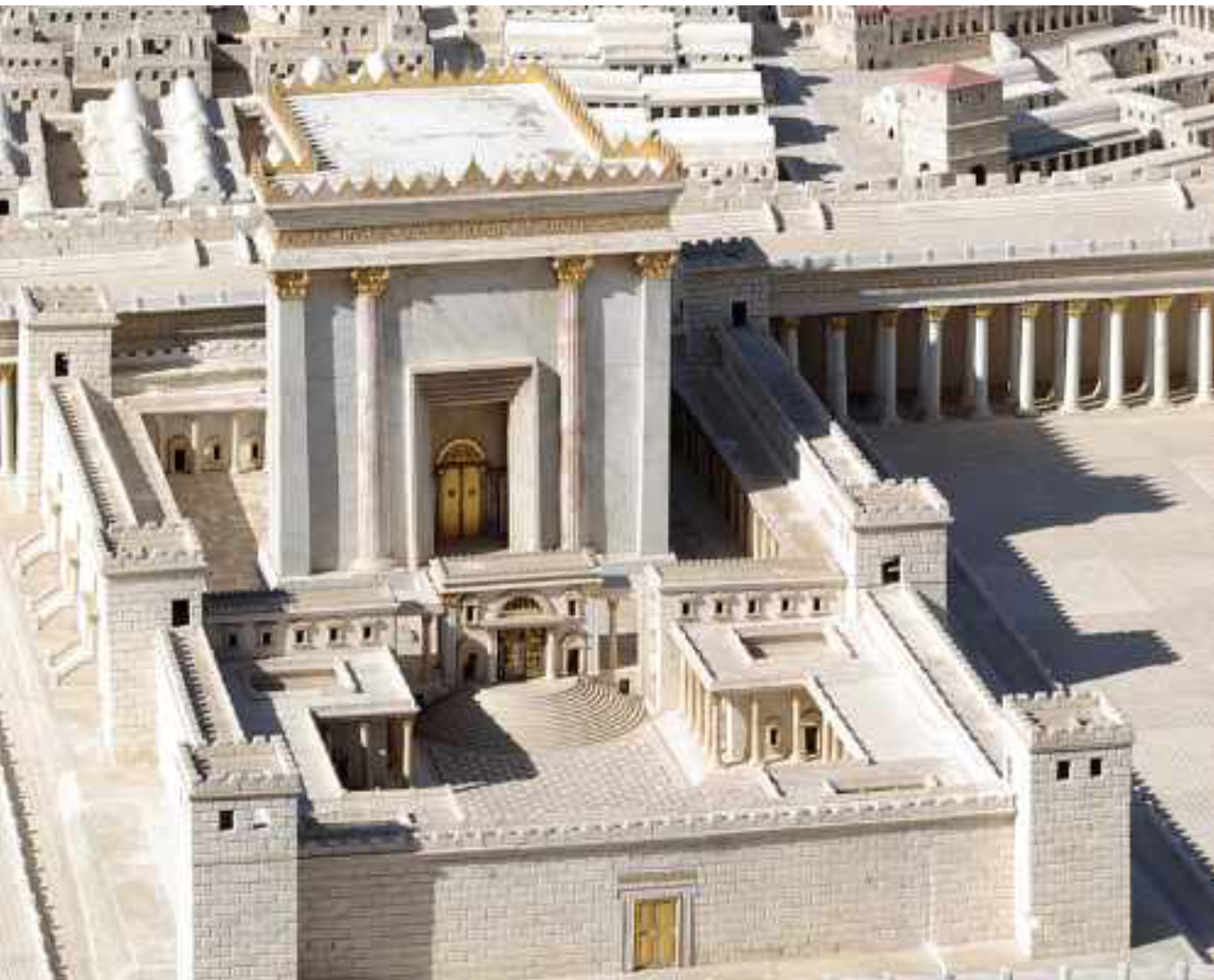
Zechariah – Zacarías – Chapter 6

Zechariah 6 (15)

15And distant ones shall come and build in the Temple of the Lord, and you shall know that the Lord of Hosts sent me to you. And it shall come to pass if you hearken to the voice of the Lord your God. טווּרְחוֹקִ֣ים | יָבֹ֗אוּ וּבָנוּ֙ בְּהֵיכַ֣ל יְהֹוָ֔ה וִֽידַעְתֶּ֕ם כִּֽי־יְהֹוָ֥ה צְבָא֖וֹת שְׁלָחַ֣נִי אֲלֵיכֶ֑ם וְהָיָה֙ אִם־שָׁמ֣וֹעַ תִּשְׁמְע֔וּן בְּק֖וֹל יְהֹוָ֥ה אֱלֹֽהֵיכֶֽם:

Zacarías 6 (15) Los que están lejos vendrán y reconstruiran el Templo del Eterno y sabréis que el Eterno de los Ejercitos me ha enviado a vosotros. Y ocurrirá esto si escucháis diligentemente  la voz del Eterno vuestro Dios.

Zechariah – Chapter 6

1And I returned and lifted my eyes and saw-and behold!- four chariots were coming forth from between the two mountains, and the mountains were mountains of copper. אוָֽאָשֻׁ֗ב וָֽאֶשָּׂ֚א עֵינַי֙ וָֽאֶרְאֶ֔ה וְהִנֵּ֨ה אַרְבַּ֚ע מַרְכָּבוֹת֙ יֹֽצְא֔וֹת מִבֵּ֖ין שְׁנֵ֣י הֶֽהָרִ֑ים וְהֶֽהָרִ֖ים הָרֵ֥י נְחֹֽשֶׁת:
2In the first chariot were red horses, and in the second chariot were black horses. בבַּמֶּרְכָּבָ֥ה הָרִֽאשֹׁנָ֖ה סוּסִ֣ים אֲדֻמִּ֑ים וּבַמֶּרְכָּבָ֥ה הַשֵּׁנִ֖ית סוּסִ֥ים שְׁחֹרִֽים:
3And in the third chariot were white horses, and in the fourth chariot were spotted, ash-colored horses. גוּבַמֶּרְכָּבָ֥ה הַשְּׁלִשִׁ֖ית סוּסִ֣ים לְבָנִ֑ים וּבַמֶּרְכָּבָה֙ הָֽרְבִעִ֔ית סוּסִ֥ים בְּרֻדִּ֖ים אֲמֻצִּֽים:
4And I raised my voice and said to the angel who spoke to me, “What are these, my lord?” דוָאַ֙עַן֙ וָֽאֹמַ֔ר אֶל־הַמַּלְאָ֖ךְ הַדֹּבֵ֣ר בִּ֑י מָה־אֵ֖לֶּה אֲדֹנִֽי:
5And the angel replied and said to me, “These are the four corners of the heavens coming forth from standing beside the Lord of the entire earth.” הוַיַּ֥עַן הַמַּלְאָ֖ךְ וַיֹּ֣אמֶר אֵלָ֑י אֵ֗לֶּה אַרְבַּע֙ רוּח֣וֹת הַשָּׁמַ֔יִם יוֹצְא֕וֹת מֵֽהִתְיַצֵּ֖ב עַל־אֲד֥וֹן כָּל־הָאָֽרֶץ:
6The one [chariot] the black horses were in was going forth to the northland, and the white ones went forth after them. And the spotted ones went forth to the southland. ואֲשֶׁר־בָּ֞הּ הַסּוּסִ֣ים הַשְּׁחֹרִ֗ים יֹֽצְאִים֙ אֶל־אֶ֣רֶץ צָפ֔וֹן וְהַלְּבָנִ֔ים יָֽצְא֖וּ אֶל־אַֽחֲרֵיהֶ֑ם וְהַ֨בְּרֻדִּ֔ים יָֽצְא֖וּ אֶל־אֶ֥רֶץ הַתֵּימָֽן:
7And the ash-colored ones went forth and begged to go to walk to and fro on the earth. And He said, “Go, walk to and fro on the earth.” And they walked to and fro on the earth. זוְהָֽאֲמֻצִּ֣ים יָצְא֗וּ וַיְבַקְשׁוּ֙ לָלֶ֙כֶת֙ לְהִתְהַלֵּ֣ךְ בָּאָ֔רֶץ וַיֹּ֕אמֶר לְכ֖וּ הִתְהַלְּכ֣וּ בָאָ֑רֶץ וַתִּתְהַלַּ֖כְנָה בָּאָֽרֶץ:
8And he cried out to me, saying, “Look, those going forth to the northland have eased My spirit in the northland.” חוַיַּזְעֵ֣ק אֹתִ֔י וַיְדַבֵּ֥ר אֵלַ֖י לֵאמֹ֑ר רְאֵ֗ה הַיּֽוֹצְאִים֙ אֶל־אֶ֣רֶץ צָפ֔וֹן הֵנִ֥יחוּ אֶת־רוּחִ֖י בְּאֶ֥רֶץ צָפֽוֹן:
9And the word of the Lord came to me, saying: טוַיְהִ֥י דְבַר־יְהֹוָ֖ה אֵלַ֥י לֵאמֹֽר:
10Take from the exiles-from Heldai and from Tobijah and from Jedaiah-and you, yourself, shall come on that day, and you shall come to the house of Josiah the son of Zephaniah, who have come from Babylon. ילָק֙וֹחַ֙ מֵאֵ֣ת הַגּוֹלָ֔ה מֵֽחֶלְדַּ֕י וּמֵאֵ֥ת טֽוֹבִיָּ֖ה וּמֵאֵ֣ת יְדַעְיָ֑ה וּבָאתָ֚ אַתָּה֙ בַּיּ֣וֹם הַה֔וּא וּבָ֗אתָ בֵּית יֹֽאשִׁיָּ֣ה בֶן־צְפַנְיָ֔ה אֲשֶׁר־בָּ֖אוּ מִבָּבֶֽל:
11And you shall take silver and gold, and you shall make crowns, and place [them] upon the head of Joshua the son of Jehozadak, the High Priest. יאוְלָֽקַחְתָּ֥ כֶֽסֶף־וְזָהָ֖ב וְעָשִׂ֣יתָ עֲטָר֑וֹת וְשַׂמְתָּ֗ בְּרֹ֛אשׁ יְהוֹשֻׁ֥עַ בֶּן־יְהוֹצָדָ֖ק הַכֹּהֵ֥ן הַגָּדֽוֹל:
12And you shall speak to him, saying, “So said the Lord of Hosts, saying: Behold a man whose name is the Shoot, who will spring up out of his place and build the Temple of the Lord. יבוְאָֽמַרְתָּ֚ אֵלָיו֙ לֵאמֹ֔ר כֹּ֥ה אָמַ֛ר יְהֹוָ֥ה צְבָא֖וֹת לֵאמֹ֑ר הִנֵּה־אִ֞ישׁ צֶ֚מַח שְׁמוֹ֙ וּמִתַּחְתָּ֣יו יִצְמָ֔ח וּבָנָ֖ה אֶת־הֵיכַ֥ל יְהֹוָֽה:
13And he shall build the Temple of the Lord, and he shall bear glory. And he shall sit and rule on his throne, and the priest shall be on his throne. And a counsel of peace shall be between them [both]. יגוְ֠הוּא יִבְנֶ֞ה אֶת־הֵיכַ֚ל יְהֹוָה֙ וְהֽוּא־יִשָּׂ֣א ה֔וֹד וְיָשַׁ֥ב וּמָשַׁ֖ל עַל־כִּסְא֑וֹ וְהָיָ֚ה כֹהֵן֙ עַל־כִּסְא֔וֹ וַֽעֲצַ֣ת שָׁל֔וֹם תִּֽהְיֶ֖ה בֵּ֥ין שְׁנֵיהֶֽם:
14And the crowns shall be for Helem, and for Tobijah, and for Jedaiah, and for Hen the son of Zephaniah, as a memorial in the Temple of the Lord. ידוְהָֽעֲטָרֹ֗ת תִּֽהְיֶה֙ לְחֵ֙לֶם֙ וּלְטֽוֹבִיָּ֣ה וְלִידַֽעְיָ֔ה וּלְחֵ֖ן בֶּן־צְפַנְיָ֑ה לְזִכָּר֖וֹן בְּהֵיכַ֥ל יְהֹוָֽה:
15And distant ones shall come and build in the Temple of the Lord, and you shall know that the Lord of Hosts sent me to you. And it shall come to pass if you hearken to the voice of the Lord your God. טווּרְחוֹקִ֣ים | יָבֹ֗אוּ וּבָנוּ֙ בְּהֵיכַ֣ל יְהֹוָ֔ה וִֽידַעְתֶּ֕ם כִּֽי־יְהֹוָ֥ה צְבָא֖וֹת שְׁלָחַ֣נִי אֲלֵיכֶ֑ם וְהָיָה֙ אִם־שָׁמ֣וֹעַ תִּשְׁמְע֔וּן בְּק֖וֹל יְהֹוָ֥ה אֱלֹֽהֵיכֶֽם:

6(1) Y volví a lazar mis ojos y he aquí que vi venir cuatro carros de entre las montañas y las montañas eran montañas de bronce. (2) En el primer carro, había caballos rojos y en el segundo, carro caballos negros. (3) En el tercer carro, caballos blancos y en el cuarto carro, caballos tordillos. (4) Entonces, le pregunté al ángel que hablaba conmigo: “¿Qué son éstos, señor mío?, (5) y me contestó el ángel diciendo: “Estos carros salen a los cuatro vientos del cielo, después de presentarse delante del Señor de toda la tierra . (6) El de los caballos negros sale hacia el país del norte, el de los caballos blancos sale tras ellos y el de los tordillos sale hacia el país del sur; (7) y los tordillos que salían estaban impacientes para ir de un lado a otro de la tierra y el ángel dijo: “Venid, andad de un lado a otro de la tierra”. Anduvieron pues de un lado a otro de la tierra. (8) Luego me gritó y me hablo diciendo: “He aquí que los que van hacia el país del norte han aliviado Mi espíritu en el país del norte”. (9) Y me vino la palabra del Eterno, diciéndome: (10) “Llévate a los del cautiverio, a Jelda, a Tobías (Toviyá) y a Jefaza (Jedayá) que vinieron de Babilonia; ven tú el mismo día y entra en casa de Josías (Yoshiyá) hijo de Sofonías (Tzefaniyá). (11) Sí, toma la plata, el oro, haz coronas y coloca una de ellas sobre la cabeza de Jesúe hijo de Josadac (Yehotzadac), el sumo sacerdote, (12) y háblale diciendo: Así habla el Eterno de los Ejércitos, diciendo: “He  aquí un hombre cuyo nombre es Tzémaj (vástago, renuevo) que brotará en su lugar y construirá el Templo del Eterno. (13) Él construirá el Templo del Eterno, tendrá la gloria, y se sentará sobre el trono;  habrá un sacerdote delante de su trono y el consejo de la paz estará entre ambos. (14) Y las coronas serán Jélem, Tobías y Jedeyá como conmemoración en el Templo del Eterno. (15) Los que están lejos vendrán y reconstruiran el Templo del Eterno y sabréis que el Eterno de los Ejercitos me ha enviado a vosotros. Y ocurrirá esto si escucháis diligentemente  la voz del Eterno vuestro Dios.