

Today in Judaism
Sunday, September 30, 2018
21 Tishrei, 5779
Hoshana Rabbah
The seventh day of Sukkot is called “Hoshana Rabbah” and is considered the final day of the divine “judgment” in which the fate of the new year is determined. The Psalm L’David Hashem Ori, which has been added to our daily prayer since the 1st of Elul, is recited for the last time today. Other Hoshanah Rabbah observances include:
It is customary to remain awake on the night preceding Hoshanah Rabbah and study Torah. We recite the entire Book of Deuteronomy and the Book of Psalms. In some congregations it is a custom for the Gabbai (synagogue manager) to distribute apples (signifying a “sweet year”) to the congregants.
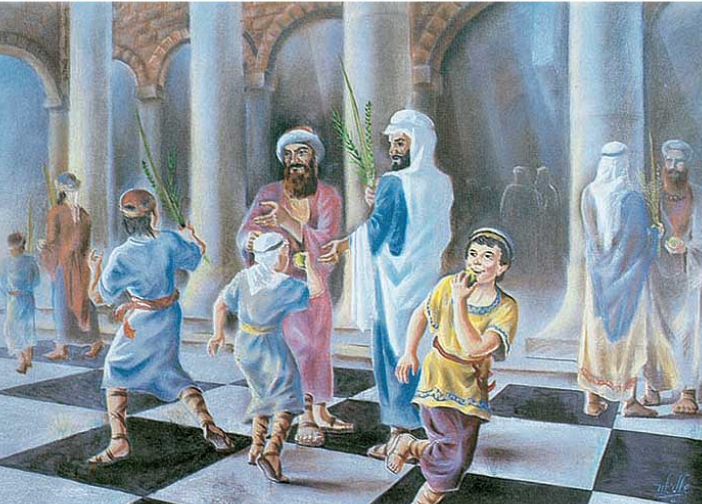
In addition to the Four Kinds taken every day of Sukkot, it is a “Rabbinical Mitzvah”, dating back to the times of the Prophets, to take an additional aravah, or willow, on the 7th day of Sukkot. In the Holy Temple, large, 18-foot willow branches were set around the altar. Today, when we take the Four Kinds and carry them around the reading table in the synagogue during the “Hoshaanot” prayers, we make seven circuits around the table (instead of the daily one), and recited a lengthier prayer. At the conclusion of the Hoshaanot we strike the ground five times with a bundle of five willows, symbolizing the “tempering of the five measures of harshness.”
Link: The Willow (on the deeper significance of the mitzvah of aravah).
To read te full article:
https://www.chabad.org/calendar/view/day.htm

Hoshana Rabbah
El séptimo día de Sucot se llama “Hoshana Rabbah” y se considera el último día del “juicio” divino en el que se determina el destino del año nuevo. El Salmo L’David Hashem Ori, que se ha agregado a nuestra oración diaria desde el 1 de Elul, se recita por última vez hoy. Otras observancias de Hoshanah Rabbah incluyen:
Aprendizaje nocturno
Es costumbre permanecer despierto la noche anterior a Hoshanah Rabbah y estudiar Torá. Recitamos todo el Libro de Deuteronomio y el Libro de los Salmos. En algunas congregaciones es una costumbre para el Gabbai (administrador de la sinagoga) distribuir manzanas (lo que significa un “año dulce”) a los feligreses.
Willow y Hoshaanot
Además de los Cuatro Tipos tomados todos los días de Sucot, es una “Mitzvá Rabínica”, que se remonta a los tiempos de los Profetas, tomar un aravah adicional, o sauce, en el séptimo día de Sucot. En el Templo Sagrado, grandes ramas de sauce de 18 pies se colocaron alrededor del altar. Hoy, cuando tomamos los Cuatro Tipos y los llevamos alrededor de la mesa de lectura en la sinagoga durante las oraciones de “Hoshaanot”, hacemos siete circuitos alrededor de la mesa (en lugar del diario), y recitamos una oración más larga. Al final del Hoshaanot golpeamos el suelo cinco veces con un manojo de cinco sauces, simbolizando el “temple de las cinco medidas de dureza”.
Enlace: The Willow (sobre el significado más profundo de la mitzvá de aravah).
Comida festiva
Una comida festiva se come en la Sucá. Mojamos el pan en miel (como lo hicimos en cada comida festiva desde Rosh Hashaná) por última vez. Hoy es también la última ocasión en la que recitamos la bendición especial para comer en la sucá, ya que el mandamiento bíblico de morar en la sucá es solo por siete días (aunque es la práctica de muchas comunidades, y tal es la costumbre de Jabad). – que, fuera de la Tierra de Israel, comemos en la sucá también en el octavo día, Shemini Atzeret).
Tehillim – Psalms – Chapter 27
| 1Of David. The Lord is my light and my salvation; whom shall I fear? The Lord is the stronghold of my life; from whom shall I be frightened? | אלְדָוִ֨ד | יְהֹוָ֚ה | אוֹרִ֣י וְ֖יִשְׁעִי מִמִּ֣י אִירָ֑א יְהֹוָ֖ה מָע֥וֹז חַ֜יַּ֗י מִמִּ֥י אֶפְחָֽד: | |
| 2When evildoers draw near to me to devour my flesh, my adversaries and my enemies against me-they stumbled and fell. | בבִּקְרֹ֥ב עָלַ֨י | מְרֵעִים֘ לֶֽאֱכֹ֪ל אֶת־בְּשָׂ֫רִ֥י צָרַ֣י וְאֹֽיְבַ֣י לִ֑י הֵ֜֗מָּה כָּֽשְׁל֥וּ וְנָפָֽלוּ: | |
| 3If a camp encamps against me, my heart shall not fear; if a war should rise up against me, in this I trust. | גאִם־תַּֽחֲנֶ֬ה עָלַ֨י | מַֽחֲנֶה֘ לֹֽא־יִירָ֪א לִ֫בִּ֥י אִם־תָּק֣וּם עָ֖לַי מִלְחָמָ֑ה בְּ֜זֹ֗את אֲנִ֣י בוֹטֵֽחַ: | |
| 4One [thing] I ask of the Lord, that I seek-that I may dwell in the house of the Lord all the days of my life, to see the pleasantness of the Lord and to visit His Temple every morning. | דאַחַ֚ת | שָׁאַ֣לְתִּי מֵֽאֵת־יְהֹוָה֘ אוֹתָ֪הּ אֲבַ֫קֵּ֥שׁ שִׁבְתִּ֣י בְּבֵֽית־יְ֖הֹוָה כָּל־יְמֵ֣י חַיַּ֑י לַֽחֲז֥וֹת בְּנֹֽעַם־יְ֜הֹוָ֗ה וּלְבַקֵּ֥ר בְּהֵיכָלֽוֹ: | |
| 5That He will hide me in His tabernacle on the day of calamity; He will conceal me in the secrecy of His tent; He will lift me up on a rock. | הכִּ֚י יִצְפְּנֵ֨נִי | בְּסֻכּוֹ֘ (כתיב בְּסֻכֹּה֘) בְּי֪וֹם רָ֫עָ֥ה יַ֖סְתִּירֵֽנִי בְּסֵ֣תֶר אָֽהֳל֑וֹ בְּ֜צ֗וּר יְרֽוֹמְמֵֽנִי: | |
| 6And now, my head will be raised over my enemies around me, and I will sacrifice in His tent sacrifices with joyous song; I will sing and chant praise to the Lord. | ווְעַתָּ֨ה יָר֪וּם רֹאשִׁ֡י עַל־אֹֽיְבַ֬י סְֽבִֽיבוֹתַ֗י וְאֶזְבְּחָ֣ה בְ֖אָֽהֳלוֹ זִבְחֵ֣י תְרוּעָ֑ה אָשִׁ֥ירָה וַֽ֜אֲזַמְּרָ֗ה לַֽיהֹוָֽה: | |
| 7Hearken, O Lord, to my voice [which] I call out, and be gracious to me and answer me. | זשְׁמַע־יְהֹוָ֖ה קוֹלִ֥י אֶ֜קְרָ֗א וְחָנֵּ֥נִי וַֽעֲנֵֽנִי: | |
| 8On Your behalf, my heart says, “Seek My presence.” Your presence, O Lord, I will seek. | חלְךָ֚ | אָמַ֣ר לִ֖בִּי בַּקְּשׁ֣וּ פָנָ֑י אֶת־פָּנֶ֖יךָ יְהֹוָ֣ה אֲבַקֵּֽשׁ: | |
| 9Do not hide Your presence from me; do not turn Your servant away with anger. You were my help; do not forsake me and do not abandon me, O God of my salvation. | טאַל־תַּסְתֵּ֬ר פָּנֶ֨יךָ | מִמֶּנִּי֘ אַל־תַּט בְּאַ֗ף עַ֫בְדֶּ֥ךָ עֶזְרָתִ֥י הָיִ֑יתָ אַל־תִּטְּשֵׁ֥נִי וְאַל־תַּֽ֜עַזְבֵ֗נִי אֱלֹהֵ֥י יִשְׁעִֽי: | |
| 10For my father and my mother have forsaken me, but the Lord gathers me in. | יכִּֽי־אָבִ֣י וְאִמִּ֣י עֲזָב֑וּנִי וַֽ֜יהֹוָה יַֽאַסְפֵֽנִי: | |
| 11Instruct me, O Lord, in Your way, and lead me in the straight path because of those who lie in wait for me. | יאה֚וֹרֵ֥נִי יְהֹוָ֗ה דַּ֫רְכֶּ֥ךָ וּ֖נְחֵנִי בְּאֹ֣רַח מִישׁ֑וֹר לְ֜מַ֗עַן שֽׁוֹרְרָֽי: | |
| 12Do not deliver me to the desires of my adversaries, for false witnesses and speakers of evil have risen against me. | יבאַל־תִּ֖תְּנֵנִי בְּנֶ֣פֶשׁ צָרָ֑י כִּ֥י קָֽמוּ־בִ֥י עֵֽדֵי־שֶׁ֜֗קֶר וִיפֵ֥חַ חָמָֽס: | |
| 13Had I not believed in seeing the good of the Lord in the land of the living! | יגל֗וּ֗לֵ֣֗א֗ הֶֽ֖אֱמַנְתִּי לִרְא֥וֹת בְּטֽוּב־יְהֹוָ֗ה בְּאֶ֣רֶץ חַיִּֽים: | |
| 14Hope for the Lord, be strong and He will give your heart courage, and hope for the Lord. | ידקַוֵּ֗ה אֶל־יְהֹ֫וָ֥ה חֲ֖זַק וְיַֽאֲמֵ֣ץ לִבֶּ֑ךָ וְ֜קַוֵּ֗ה אֶל־יְהֹוָֽה: |
Salmo 27
Salmo de David. El Eterno es mi luz y mi salvación. ¿A quién he de temer? El Eterno es la fortaleza de mi vida. ¿De quién he de tener miedo? (2) Cuando me acometieron malhechores para consumir mi carne, mis adversarios y mis enemigo tropezaron y cayeron . (3) Aunque un ejército acampe contra mí, mi corazón no temerá. Aunque se levante la guerra contra mí, aun entonces estaré confiado. (4) Una cosa le he pedido al Eterno, y eso buscaré: que pueda vivir en la Casa del Eterno todos los dfías d emi vida, para contemplar la majestad del Eterno y para estar siempre temprano en Su Templo. (5) Por cuanto Él me oculta en Su pabellón en el día del mal, me esconde en lo recóndito de Su tienda, me alza sobre una roca, (6) y mi cabeza será levantada por encima de la de mis enemigos en derredor, ofreceré en Su Tabernáculo sacrificios al son de la trompeta y cantaré alabanzas al Eterno. (7) Escucha, oh Eterno, cuando llamo con mi voz, sé misericordioso conmigo, y repóndeme. (8) En tu Nombre ha dicho mi corazón: “Buscad Mi rostro”. Tu rostro, oh Eterno, he de buscar. (9) No me arrojes fuera, ni me abandones, oh Dios de mi salvación, (10) porque aunque mi padre y mi madre me abandonaron, el Eterno me recogerá. (11) Enséñame Tu camino, oh Eterno, y condúceme por una senda llana, debido a los que me acechan. (12) No me entregues a merced de la voluntad de mis adversarios, porque falsos testigos se levantaron contra mi y alientan violencia. (13) Yo no hubiera creído que vería la bondad del Eterno en la tierra de los vivos. (14) Espera al Eterno. Sé fuerte y toma coraje tu corazón. Espera el Eterno.

 Rita Sibbick