Shabbat Shalom – Parasha Behar-Bechukotai

Iyar 22, 5780

May 16, 2020

Readings for Behar-Bechukotai

Haftarah:

Jeremiah 16:19 – 17:14

Leviticus 25 (1, 2, 3, 4)

1 And the Lord spoke to Moses on Mount Sinai, saying, אוַיְדַבֵּ֤ר יְהֹוָה֙ אֶל־משֶׁ֔ה בְּהַ֥ר סִינַ֖י לֵאמֹֽר:
2Speak to the children of Israel and you shall say to them: When you come to the land that I am giving you, the land shall rest a Sabbath to the Lord. בדַּבֵּ֞ר אֶל־בְּנֵ֤י יִשְׂרָאֵל֙ וְאָֽמַרְתָּ֣ אֲלֵהֶ֔ם כִּ֤י תָבֹ֨אוּ֙ אֶל־הָאָ֔רֶץ אֲשֶׁ֥ר אֲנִ֖י נֹתֵ֣ן לָכֶ֑ם וְשָֽׁבְתָ֣ה הָאָ֔רֶץ שַׁבָּ֖ת לַֽיהֹוָֽה:
3 You may sow your field for six years, and for six years you may prune your vineyard, and gather in its produce, גשֵׁ֤שׁ שָׁנִים֙ תִּזְרַ֣ע שָׂדֶ֔ךָ וְשֵׁ֥שׁ שָׁנִ֖ים תִּזְמֹ֣ר כַּרְמֶ֑ךָ וְאָֽסַפְתָּ֖ אֶת־תְּבֽוּאָתָֽהּ:
4 But in the seventh year, the land shall have a complete rest a Sabbath to the Lord; you shall not sow your field, nor shall you prune your vineyard. דוּבַשָּׁנָ֣ה הַשְּׁבִיעִ֗ת שַׁבַּ֤ת שַׁבָּתוֹן֙ יִֽהְיֶ֣ה לָאָ֔רֶץ שַׁבָּ֖ת לַֽיהֹוָ֑ה שָֽׂדְךָ֙ לֹ֣א תִזְרָ֔ע וְכַרְמְךָ֖ לֹ֥א תִזְמֹֽר:

Leviticus 25(35, 36, 37, 38)

35 If your brother becomes destitute and his hand falters beside you, you shall support him [whether] a convert or a resident, so that he can live with you. להוְכִֽי־יָמ֣וּךְ אָחִ֔יךָ וּמָ֥טָה יָד֖וֹ עִמָּ֑ךְ וְהֶֽחֱזַ֣קְתָּ בּ֔וֹ גֵּ֧ר וְתוֹשָׁ֛ב וָחַ֖י עִמָּֽךְ:
36 You shall not take from him interest or increase, and you shall fear your God, and let your brother live with you. לואַל־תִּקַּ֤ח מֵֽאִתּוֹ֙ נֶ֣שֶׁךְ וְתַרְבִּ֔ית וְיָרֵ֖אתָ מֵֽאֱלֹהֶ֑יךָ וְחֵ֥י אָחִ֖יךָ עִמָּֽךְ:
37 You shall not give him your money with interest, nor shall you give your food with increase. לזאֶת־כַּ֨סְפְּךָ֔ לֹֽא־תִתֵּ֥ן ל֖וֹ בְּנֶ֑שֶׁךְ וּבְמַרְבִּ֖ית לֹֽא־תִתֵּ֥ן אָכְלֶֽךָ:
38 I am the Lord, your God, Who took you out of the land of Egypt, to give you the land of Canaan, to be a God to you. לחאֲנִ֗י יְהֹוָה֙ אֱלֹ֣הֵיכֶ֔ם אֲשֶׁר־הוֹצֵ֥אתִי אֶתְכֶ֖ם מֵאֶ֣רֶץ מִצְרָ֑יִם לָתֵ֤ת לָכֶם֙ אֶת־אֶ֣רֶץ כְּנַ֔עַן לִֽהְי֥וֹת לָכֶ֖ם לֵֽאלֹהִֽים:

22 Iyar, 5780

Mayo 16, 2020

Lectura:
Behar-Bejukotái Levítico 25:1 – 27:34)
Haftora
Jeremias 16:19 – 17:14

Levítico 25(1, 2, 3, 4)

(1) Y de dijo el Eterno a Moisés en el monte Sinaí:

(2) “Dile a los hijos de Israel: Cuando lleguéis a la tierra que os di, la tierra decansará por el Eterno.

(3) Seis años la sembrarás y seis años podarás tu viña y recogerás su fruto.

(4) pero el séptimo año será de sábado (Shabbat, reposo) estricto para la tierra y para el Eterno: Ni sembrarás tu campo, ni podarás tu viña.

Levítico 25(35, 36, 37, 38)

(35) Si tu hermano padece estrechez económica, lo acogerás como a forastero y a peregrino, para que viva contigo.

(36) No le prestarás a interés, ni te aprovecharás de su pobreza sino que temerás a tu Dios para que tu hermano viva contigo.

(37) No le prestarás dinero a interés y no le darás tu comida con intención de ganancia.

(38) Lo ordeno Yo, el Eterno, tu Dios, que te libró de la tierra de Egipto para darte la tierra de Canaán y ser tu Dios.

Behar-Bechukotai in a Nutshell

Leviticus 25:1–27:34

On the mountain of Sinai, G‑d communicates to Moses the laws of the Sabbatical year: every seventh year, all work on the land should cease, and its produce becomes free for the taking for all, man and beast.

Seven Sabbatical cycles are followed by a fiftieth year—the Jubilee year, on which work on the land ceases, all indentured servants are set free, and all ancestral estates in the Holy Land that have been sold revert to their original owners. Additional laws governing the sale of lands, and the prohibitions against fraud and usury, are also given.

To read the full article:

chabad.org/parshah/jewish/Behar-Bechukotai-in-a-Nutshell

chabad.org/parshah/jewish/Behar-Bechukotai

Resumen de la Parashá

Levítico 25:1-27:34

En el Monte Sinaí, Di-s le comunica a Moshe las leyes del año sabático. Cada séptimo año, todo el trabajo en la tierra debe cesar, y su producto debe ser dejado libre para que lo tomen todos, tanto seres humanos como animales.

Siete ciclos sabáticos son seguidos por un quincuagésimo año, el año de jubileo, en el cual también cesa el trabajo en la tierra, todos los sirvientes son enviados libres y las propiedades ancestrales en la Tierra Santa vuelven a la posesión de sus propietarios originales(…)

es.chabad.org/library/jewish/Resumen-de-la-Parash

JEREMÍAS 16:19 – 17:14

(19) ¡Oh Eterno! Eres mi fuerza, mi fortaleza y mi refugio en el día de mi tribulación. A ti vendrán las naciones desde los confines de la tierra, y dirán: “nuetros padres no han heredado más que mentiras, vanidades y cosas que nomaprovechan”.

(20) ¿Acaso el hombre debe hacerse dioses que en ralidad no son dioses?

(21) He aquí pues que haré que conozcan, esta vez haré que conozcan Mi mano y Mi poder, y sabrán que Mi Nombre es el Eterno.

17(1) El pecado de Judá esta escrito con una pluma de hierro y con punta de un diamante. Está grabado sobre la tabla de su corazón y sobre los cuernos de sus altares.

(2) Como los simbolos de sus hijos son sus altares; sus aseras estan junto a los árboles frondosos, sobre las altas colinas.

(3) ¡ Oh tu que te sientas sobre la montaná del campo, daré tu sustancia y todos tus tesoros por despojo; daré tus altares a causa del pecado en todos tus lindes!

(4) Y tú no tendrás parte en tu herencia, la que te di, y haré que sirvas a tus enemigos en la tierra que no conoces, porque habéis encendido el fuego de Mi ira que arderá para siempre.

(5) Asi dice el Eterno: Maldito sea el hombre que confía en el hombre y se apoya en brazo de carne, cuyo corazón se parta del Eterno.

(6) Porque será como tamarindo en el desierto, que no ve cuando viene el bien, pero que habitan los eriales del desierto, una tierra de sal deshabitada.

(7) Bienaventurado aquel que confía en el Eterno y cuya confianza es el Eterno mismo.

(8) Porque será como árbol plantado por las aguas que extiende sus raíces por el río y no verá cuando venga el calor sino que su follaje será frondoso, no sufrirá en el año de la sequía, ni dejará de producir fruto.

(9) El corazón es engañoso, está por encima de todas las cosas y e sumamente débil. ¿Quien podrá conocerlo?

(10) Yo el Eterno busco el corazón, pruebo los íntimos pensamientos para dar a cada hombre conforme a sus caminos, de acuerdo con el fruto de su acción.

(11) Como la perdiz que empolla huevos que no puso, así es le que obtiene riquezas no por derecho propio. En medio de sus días, deberá dejarlas y al final de su vida, será un insensato.

(12) Trono de gloria, sublime desde el principio, es el lugar de nuestro Santuario.

(13) OH Eterno, esperanza de Israel! Todos los que te abandonan serán avergonzados. Los que se partan de Ti serán escritos (desfavorablemente) en la tierra, porque han abandonado al Eterno, la fuente de agua viva.

(14) Cúrame, oh Eterno y seré sanado. Sálvame  y seré salvo porque Tu eres mi alabanza.

Articles relacionados:

¿Por qué el número siete es sagrado?

23/5/2019 por

Los seres humanos necesitan un día cada siete para imitar lo que Dios mismo hizo cuando creó el mundo. Durante seis días Él creó; el séptimo día, descansó. No porque estaba cansado. En verdad no se había esforzado para decir las palabras: “Que haya…” y crear todo lo que existe. Lo que él hizo fue dejar de crear para evaluar lo que ya había creado (…)

Para leer el artículo completo:

aishlatino.com/Por-que-el-numero-siete-es-sagrado

 

Shabbat Shalom – Parasha Emor

Iyar 15, 5780
Mayo 8, 2020

Leviticus – Chapter 23 (1-3)

1 And the Lord spoke to Moses, saying, אוַיְדַבֵּ֥ר יְהֹוָ֖ה אֶל־משֶׁ֥ה לֵּאמֹֽר:
2 Speak to the children of Israel and say to them: The Lord’s appointed [holy days] that you shall designate as holy occasions. These are My appointed [holy days]: בדַּבֵּ֞ר אֶל־בְּנֵ֤י יִשְׂרָאֵל֙ וְאָֽמַרְתָּ֣ אֲלֵהֶ֔ם מֽוֹעֲדֵ֣י יְהֹוָ֔ה אֲשֶׁר־תִּקְרְא֥וּ אֹתָ֖ם מִקְרָאֵ֣י קֹ֑דֶשׁ אֵ֥לֶּה הֵ֖ם מֽוֹעֲדָֽי:
3 [For] six days, work may be performed, but on the seventh day, it is a complete rest day, a holy occasion; you shall not perform any work. It is a Sabbath to the Lord in all your dwelling places. גשֵׁ֣שֶׁת יָמִים֘ תֵּֽעָשֶׂ֣ה מְלָאכָה֒ וּבַיּ֣וֹם הַשְּׁבִיעִ֗י שַׁבַּ֤ת שַׁבָּתוֹן֙ מִקְרָא־קֹ֔דֶשׁ כָּל־מְלָאכָ֖ה לֹ֣א תַֽעֲשׂ֑וּ שַׁבָּ֥ת הִוא֙ לַֽיהֹוָ֔ה בְּכֹ֖ל מֽוֹשְׁבֹֽתֵיכֶֽם:

Levíticos 23 (1-3)

(1) Y el Eterno le dijo a Moisés:

(2) “Dile a los hijos de Israel: Éstas son las festividades a las que os convoca el Eterno.

(3) Seis días trabajarás pero el séptimo será el sábado (shabat , reposo), de estricto descanso y snata convocación. No harás trabajo alguno en él.

Es Sábado para el Eterno y santa convocación. No harás trabajo alguno en él. Es Sábado para el eterno, e todas vuestars moradas.

(4) Estas son las festividades sagradas a las que os convoca el Eterno(…)

Torah Reading
Emor
Levítico 21:1 – 24:23
Haftarah:
Ezequiel 44:15-31

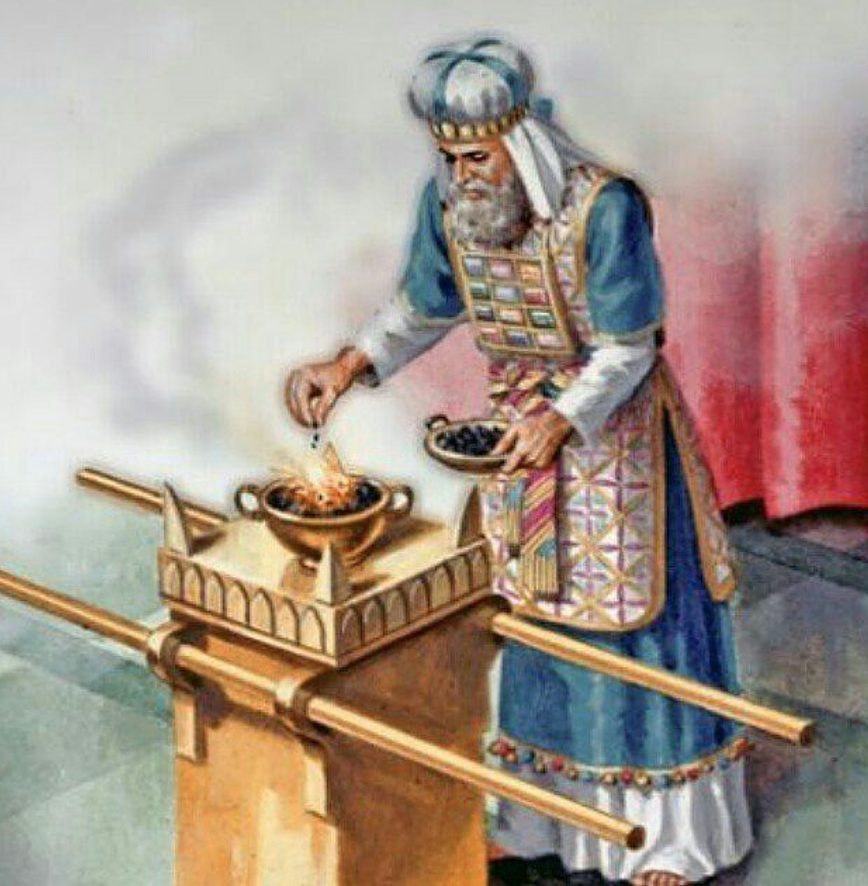
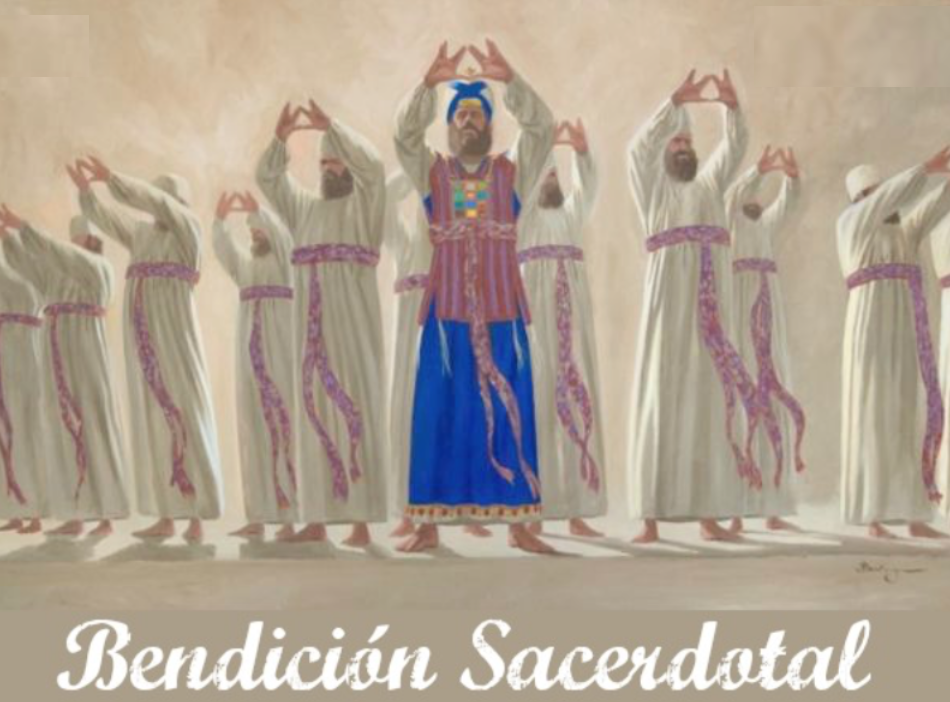
The Cohanim (Priest), the Cohen Gadol (High Priest) and their service in the Temple.

Haftarah

Yechezkel – Ezekiel – Chapter 44

15 But the priests, the Levites, the sons of Zadok, who kept the charge of My sanctuary when the Children of Israel went astray from Me, they shall come near Me to minister to Me, and they shall stand before Me to offer Me fat and blood, says the Lord God. טווְהַכֹּֽהֲנִ֨ים הַֽלְוִיִּ֜ם בְּנֵ֣י צָד֗וֹק אֲשֶׁ֨ר שָׁמְר֜וּ אֶת־מִשְׁמֶ֚רֶת מִקְדָּשִׁי֙ בִּתְע֚וֹת בְּנֵֽי־יִשְׂרָאֵל֙ מֵֽעָלַ֔י הֵ֛מָּה יִקְרְב֥וּ אֵלַ֖י לְשָֽׁרְתֵ֑נִי וְעָֽמְד֣וּ לְפָנַ֗י לְהַקְרִ֥יב לִי֙ חֵ֣לֶב וָדָ֔ם נְאֻ֖ם אֲדֹנָ֥י יֱהֹוִֽה:
16 They shall enter My Sanctuary, and they shall approach My Table to minister to Me, and they shall keep My charge. טזהֵ֜מָּה יָבֹ֣אוּ אֶל־מִקְדָּשִׁ֗י וְהֵ֛מָּה יִקְרְב֥וּ אֶל־שֻׁלְחָנִ֖י לְשָֽׁרְתֵ֑נִי וְשָֽׁמְר֖וּ אֶת־מִשְׁמַרְתִּֽי:
17 And it shall be, when they enter the gates of the Inner Court, they shall be clothed with linen garments and no wool shall be upon them when they minister the gates of the Inner Court and within. יזוְהָיָ֗ה בְּבוֹאָם֙ אֶל־שַֽׁעֲרֵי֙ הֶֽחָצֵ֣ר הַפְּנִימִ֔ית בִּגְדֵ֥י פִשְׁתִּ֖ים יִלְבָּ֑שׁוּ וְלֹא־יַֽעֲלֶ֚ה עֲלֵיהֶם֙ צֶ֔מֶר בְּשָֽׁרְתָ֗ם בְּשַֽׁעֲרֵ֛י הֶֽחָצֵ֥ר הַפְּנִימִ֖ית וָבָֽיְתָה:
18Linen hats shall be upon their heads, and linen breaches shall be upon their loins; they shall not gird themselves in a place that sweats. יחפַּֽאֲרֵ֚י פִשְׁתִּים֙ יִֽהְי֣וּ עַל־רֹאשָׁ֔ם וּמִכְנְסֵ֣י פִשְׁתִּ֔ים יִֽהְי֖וּ עַל־מָתְנֵיהֶ֑ם לֹ֥א יַחְגְּר֖וּ בַּיָּֽזַע:
19 But when they go out into the Outer Court, into the Outer Court to the people, they shall put off their garments wherein they minister and place them in chambers belonging to the Sanctuary and clothe themselves with other garments, and they shall not sanctify the people with their garments. יטוּ֠בְצֵאתָם אֶל־הֶֽחָצֵ֨ר הַחִֽיצוֹנָ֜ה אֶל־הֶֽחָצֵ֣ר הַחִֽיצוֹנָה֘ אֶל־הָעָם֒ יִפְשְׁט֣וּ אֶת־בִּגְדֵיהֶ֗ם אֲשֶׁר־הֵ֙מָּה֙ מְשָֽׁרְתִ֣ם בָּ֔ם וְהִנִּ֥יחוּ אוֹתָ֖ם בְּלִֽשְׁכֹ֣ת הַקֹּ֑דֶשׁ וְלָֽבְשׁוּ֙ בְּגָדִ֣ים אֲחֵרִ֔ים וְלֹֽא־יְקַדְּשׁ֥וּ אֶת־הָעָ֖ם בְּבִגְדֵיהֶֽם:
20 And [the hair of] their heads they are not to shave but also not to let it grow wild; they must be careful to trim the hair of their heads. כוְרֹאשָׁם֙ לֹ֣א יְגַלֵּ֔חוּ וּפֶ֖רַע לֹ֣א יְשַׁלֵּ֑חוּ כָּס֥וֹם יִכְסְמ֖וּ אֶת־רָֽאשֵׁיהֶֽם:
21 And wine may no priest drink when they come into the Inner Court. כאוְיַ֥יִן לֹֽא־יִשְׁתּ֖וּ כָּל־כֹּהֵ֑ן בְּבוֹאָ֖ם אֶל־הֶֽחָצֵ֥ר הַפְּנִימִֽית:
22And neither a widow nor a divorced woman may they take for wives, but they shall take virgins from the descendants of the House of Israel; also the widow who is only a widow, some of the priests may marry. כבוְאַלְמָנָה֙ וּגְרוּשָׁ֔ה לֹֽא־יִקְח֥וּ לָהֶ֖ם לְנָשִׁ֑ים כִּ֣י אִם־בְּתוּלֹ֗ת מִזֶּ֙רַע֙ בֵּ֣ית יִשְׂרָאֵ֔ל וְהָֽאַלְמָנָה֙ אֲשֶׁר תִּֽהְיֶ֣ה אַלְמָנָ֔ה מִכֹּהֵ֖ן יִקָּֽחוּ:
23 And My people shall they teach the difference between holy and profane, and cause them to discern between the impure and the pure. כגוְאֶת־עַמִּ֣י יוֹר֔וּ בֵּ֥ין קֹ֖דֶשׁ לְחֹ֑ל וּבֵֽין־טָמֵ֥א לְטָה֖וֹר יֽוֹדִעֻֽם:
24 And in dispute they shall stand in judgment, according to My ordinances shall they decide it; and My teachings and My statutes shall they keep in all My appointed times, and My Sabbaths they shall sanctify. כדוְעַל־רִ֗יב הֵמָּה יַֽעַמְד֣וּ לְמִשְׁפָּ֔ט (כתיב לְִשְׁפָּ֔ט) בְּמִשְׁפָּטַ֖י יִשְׁפְּטֻ֑הוּ (כתיב וִשְׁפְּטֻ֑הוּ) וְאֶת־תּֽוֹרֹתַ֚י וְאֶת־חֻקֹּתַי֙ בְּכָל־מֽוֹעֲדַ֣י יִשְׁמֹ֔רוּ וְאֶת־שַׁבְּתוֹתַ֖י יְקַדֵּֽשׁוּ:
25 To no human corpse shall they come to defile themselves, except to father and to mother and to son and to daughter, to brother and to a sister who has had no husband, shall they defile themselves. כהוְאֶל־מֵ֣ת אָדָ֔ם לֹ֥א יָב֖וֹא לְטָמְאָ֑ה כִּ֣י אִם־לְאָ֡ב וּ֠לְאֵם וּלְבֵ֨ן וּלְבַ֜ת לְאָ֗ח וּלְאָח֛וֹת אֲשֶׁר־לֹא־הָֽיְתָ֥ה לְאִ֖ישׁ יִטַּמָּֽאוּ:
26 And after his purification they shall count seven days for him. כווְאַֽחֲרֵ֖י טָֽהֳרָת֑וֹ שִׁבְעַ֥ת יָמִ֖ים יִסְפְּרוּ־לֽוֹ:
27 And on the day that he enters the Sanctuary, into the Inner Court, to minister in the Sanctuary, he shall offer his sin offering, says the Lord God. כזוּבְיוֹם֩ בֹּא֨וֹ אֶל־הַקֹּ֜דֶשׁ אֶל־הֶֽחָצֵ֚ר הַפְּנִימִית֙ לְשָׁרֵ֣ת בַּקֹּ֔דֶשׁ יַקְרִ֖יב חַטָּאת֑וֹ נְאֻ֖ם אֲדֹנָ֥י יֱהֹוִֽה:
28 It shall be to them for an inheritance, I am their inheritance; You shall give them no possession in Israel, I am their possession. כחוְהָיְתָ֚ה לָהֶם֙ לְֽנַֽחֲלָ֔ה אֲנִ֖י נַֽחֲלָתָ֑ם וַֽאֲחֻזָּ֗ה לֹֽא־תִתְּנ֚וּ לָהֶם֙ בְּיִשְׂרָאֵ֔ל אֲנִ֖י אֲחֻזָּתָֽם:
29 The meal-offering and the sin-offering and the guilt- offering are they to eat, and everything that is vowed to be banned in Israel shall belong to them. כטהַמִּנְחָה֙ וְהַֽחַטָּ֣את וְהָֽאָשָׁ֔ם הֵ֖מָּה יֹֽאכְל֑וּם וְכָל־חֵ֥רֶם בְּיִשְׂרָאֵ֖ל לָהֶ֥ם יִֽהְיֶֽה:
30 And the first of all the first-fruits, and every heave-offering; everything from every sort of your heave- offerings shall belong to the priests; also the first out of your kneading-troughs shall you give to the priest, to bring enduring blessing into your home. לוְרֵאשִׁית֩ כָּל־בִּכּ֨וּרֵי כֹ֜ל וְכָל־תְּר֣וּמַת כֹּ֗ל מִכֹּל֙ תְּרוּמֹ֣תֵיכֶ֔ם לַכֹּֽהֲנִ֖ים יִֽהְיֶ֑ה וְרֵאשִׁ֚ית עֲרִיסֽוֹתֵיכֶם֙ תִּתְּנ֣וּ לַכֹּהֵ֔ן לְהָנִ֥יחַ בְּרָכָ֖ה אֶל־בֵּיתֶֽךָ:
31 Anything that has died of itself or is fatally wounded, whether it be bird or beast, the priests may not eat. לאכָּל־נְבֵלָה֙ וּטְרֵפָ֔ה מִן־הָע֖וֹף וּמִן־הַבְּהֵמָ֑ה לֹ֥א יֹֽאכְל֖וּ הַכֹּֽהֲנִֽים:

Los Cohaním (Sacerdote), el Cohen Gadol (Sumo sacerdote) y su servicio en el Templo.

Haftorah

Ezequiel 44: (15 – 31)

(15) Pero los sacerdotes levitas, hijos de Sadoc, que guardaron Mi Santuario cuando los hijos de Israel se apartaron de Mí, se acercarán a Mí para oficiar ante Mí y ofrecerme la grosura y la sangre, dice Dios el Eterno.

(16) Entrarán a Mi Santuario y se acercarán a Mi mesa para oficiar ante Mí y guardarán Mi encargo.

(17) Y será que cuando entren por las puertas del atrio, serán vestidos con ropas de lino y no habrá sobre ellos cosas de lana cuando oficien en las puertas del atrio interior y dentro de él.

(18) llevarán tiaras de lino sobre sus cabezas y usarán calzones de lino sobre sus lomos. No se ceñirán cosa alguna que provoque sudor.

(19) Y cuando salga al atrio exterior, o sea en presencia del pueblo, se quitarán sus vestimentas en las cuales hayan oficiado y las depositarán en las cámaras santas; se pondrán otras vestiduras para que no santifique al pueblo con su vestimenta.

(20) No se raparán sus cabezas ni se dejarán las guedejas largas. Sólo se cortarán sus cabellos.

(21) Ningún sacerdote beberá vino cuando entre al atrio interior.

(22) No tomarán por mujer a viuda, ni repudiada sino que tomarán para sí, vírgenes de la estirpe de la casa de Israel, o viuda que sea la viuda de un sacerdote.

(23) Y enseñarán a Mi pueblo la diferencia entre lo santo y lo común; les harán discernir entre lo impuro y lo puro.

(24) Y en una controversia, se ofrecerán para juzgar, juzgando conforme a Mis preceptos . y guardarán Mis leyes y Mis estatutos en los momentos apropiados y santificarán Mis sábados.

(25) Y no se llegarán a ningún muerto para no contaminarse pero por padre y madre, por hijo o hija, por hermano o hermana que no tenía marido podrán contaminarse.

(26) Y después de que se haya purificado el sacerdote, se le contarán siete días.

(27) Y en el día en que entre al Santuario al atrio interior para oficiar en el Santuario, presentará su ofrenda por el pecado, dice Dios el Eterno.

(28) Y seré para ellos su herencia . Yo soy la herencia de ellos. No les daré posesiones en Israel sino que Yo soy su posesión;

(29) Ellos comerán la ofrenda vegetal, la ofrenda expiatoria y la ofrenda por la culpa. También toda cosa consagrada para Mí en Israel será para ellos.

(30) También las primicias de todos los primeros frutos y toda la ofrenda alzada de cualquier cosa que fuera, será de los sacerdotes. También daréis al sacerdote lo primero de vuestras harinas para que en vuestras casas repose la bendición.

(31) No podrán comer cosa alguna que sea mortecina, ni destrozada por las aves o las bestias.

Pesach Sheni

Pesach Sheni 2020 is observed on May 8 (14 Iyar).

Pesach Sheni means “Second Passover [Sacrifice].” It marks the day when someone who was unable to participate in the Passover offering in the proper time would observe the mitzvah exactly one month later. It is customary to mark this day by eating matzahshmurah matzah, if possible—and by omitting Tachanun from the prayer services . . . Read more about Pesach Sheni

Pesaj Sheni

Siempre hay una segunda oportunidad. Podemos enmendar nuestros errores…

Articulos relacionados:

es.chabad.org/jewish/Pesach-Sheni

El gen del Cohen

Por Elisha Greenbaum

Los genetistas a cargo, juntaron muestras de ADN de cientos de kohanim, y buscaron una marca en común en el cromosoma Y. Increíblemente, encontraron que más del %98 de los hombres con tradición familiar de ser sacerdotes, mostraban una evidencia que descendían del mismo tátara tátara tátara abuelo.

Encontré fascinante que el hermano mayor de Moisés, el bíblico Gran Sacerdote Aaron, vivió hae unos 3300 años, pero todavía lega su sello genético a estos hombres(…)

Para leer el artículo completo:

es.chabad.org/jewish/El-gen-del-Cohen

Emor in a Nutshell

Leviticus 21:1–24:23

The Torah section of Emor (“Speak”) begins with the special laws pertaining to the kohanim (“priests”), the kohen gadol(“high priest”), and the Temple service: A kohen may not become ritually impure through contact with a dead body, save on the occasion of the death of a close relative. A kohenmay not marry a divorcee, or a woman with a promiscuous past; a kohen gadol can marry only a virgin. A kohen with a physical deformity cannot serve in the Holy Temple, nor can a deformed animal be brought as an offering(…)

To read the full article:

chabad.org/parshah/jewish/Emor-in-a-Nutshell