Adar 15, 5781
Febrero 27, 2021
Haftarah:
Resumen de la Parashá
Éxodo 27:20-30:10
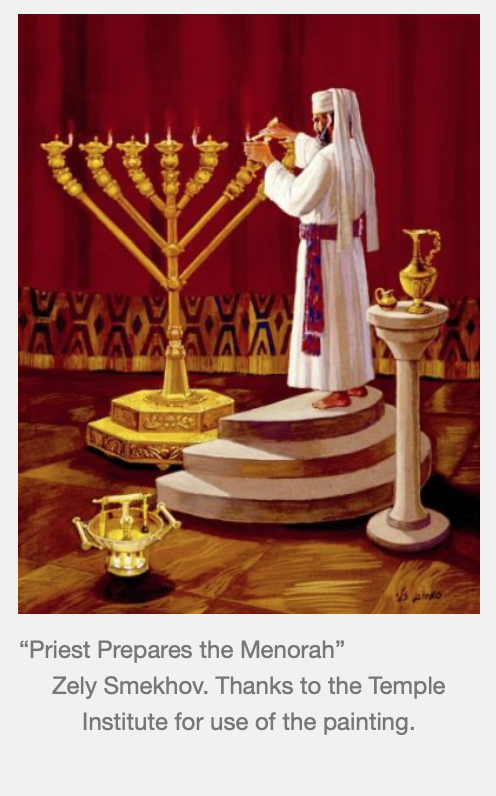
Di-s dice a Moshe que reciba de los Hijos de Israel aceite de oliva puro para la “llama eterna” de la Menorá que Aarón deberá encender todos los días, “desde la tarde hasta la mañana”.

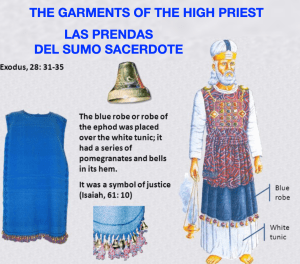
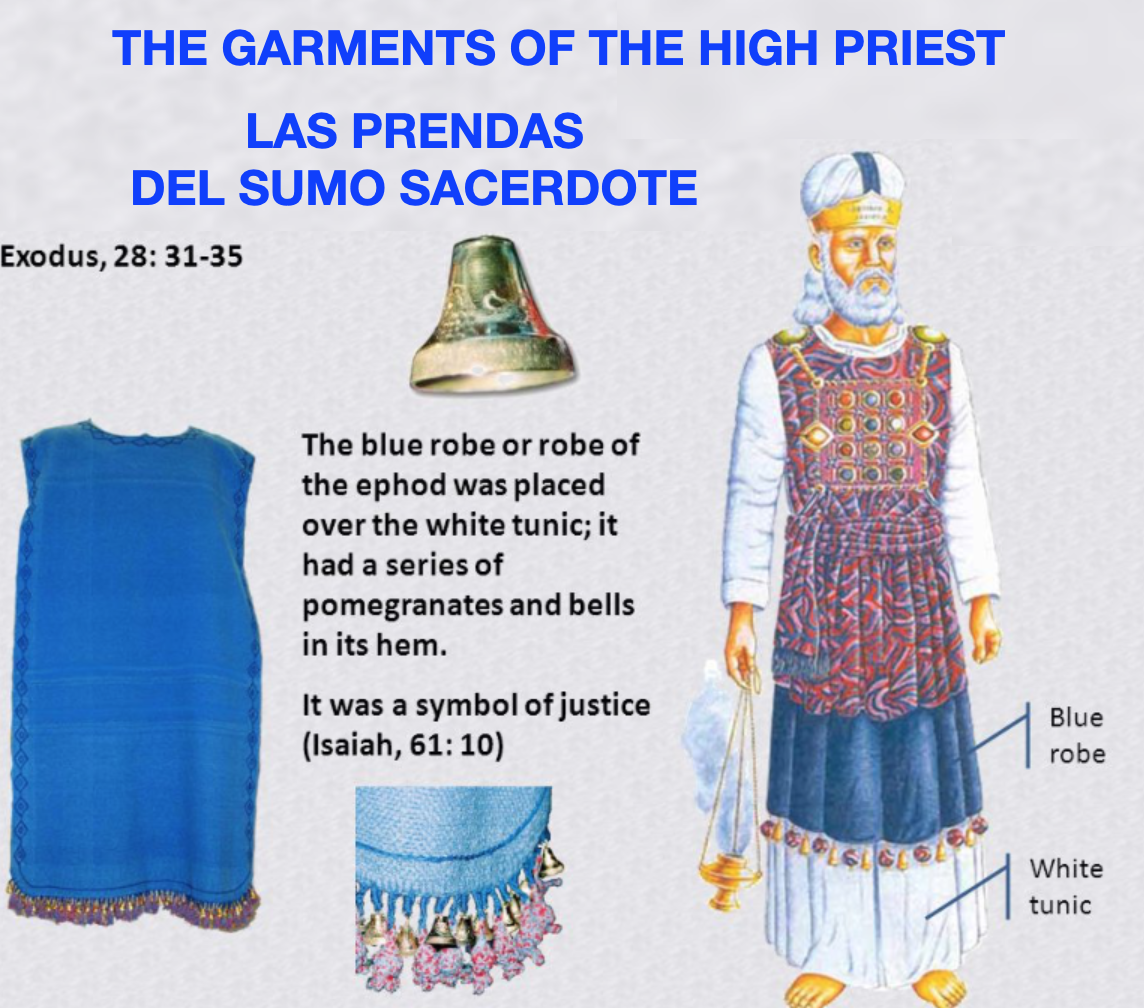
Son descriptas las ropas sacerdotales que deberán ser vestidas por los Cohaním (sacerdotes) mientras realizan su servicio en el Santuario. Todos los Cohaním vestían: 1) ketonet – una túnica larga de lino; 2) mijnasaim – pantalones de lino; 3) mitznefet o migbaat – un turbante de lino; 4) avnet – un cinturón largo alrededor de las caderas (…)
Para leer el artículo completo:
es.chabad.org/jewish/Resumen-de-la-Parash
Haftarah:
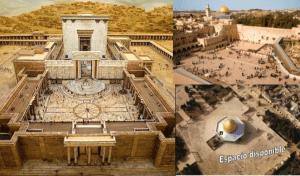
Ezequiel 43 (12) Ésta es la ley de la Casa; sobre la cumbre del monte, todo el límite en su torno será santísimo. He aquí que ésa es la ley de la Casa.
Ezekiel 43:10-27
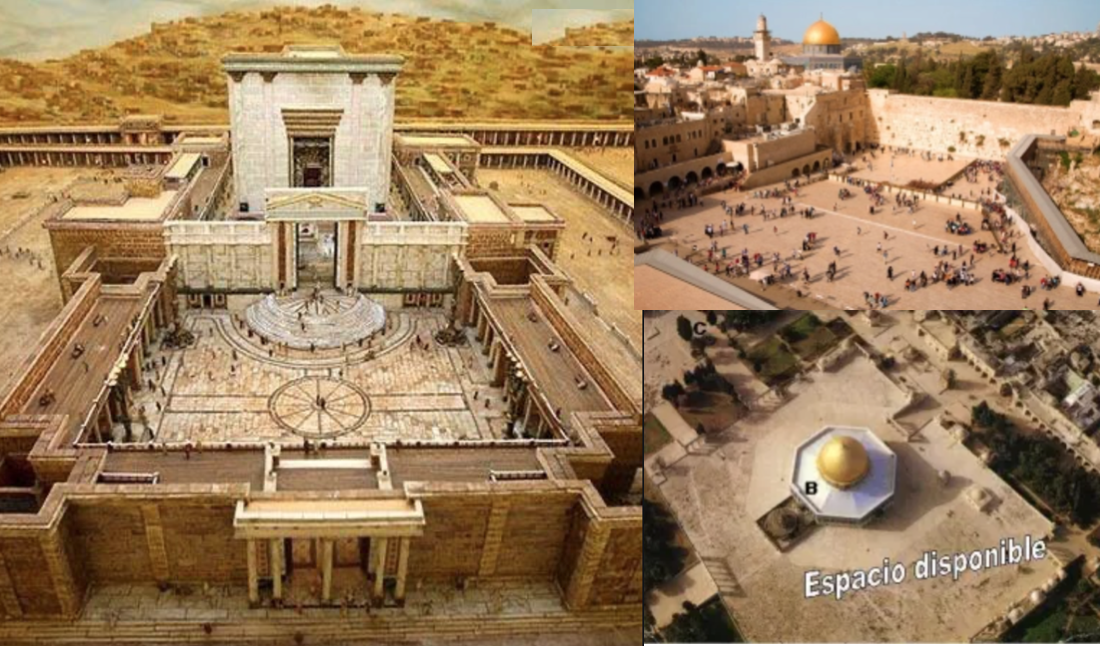
10 Tú, hijo de hombre, muestra esta Casa a la casa de Israel para que se avergüencen de sus iniquidades y midan ellos con exactitud.
11 Y si se avergüenzan de todo lo que hicieron, hazles conocer la forma de la Casa, su diseño, sus salidas, sus entradas, todas sus formas, todas sus ordenanzas y todas sus leyes; escribe todo eso ante la vista de ellos para que guarden todas las formas y todos sus reglamentos y los pongan en práctica.
12 Ésta es la ley de la Casa; sobre la cumbre del monte, todo el límite en su torno será santísimo. He aquí que ésa es la ley de la Casa.
13 Y éstas son las medidas del altar en codos, siendo el codo de un ancho; sus bordes en derredor será de un palmo y ése será la base del altar.
14 Y desde la base sobre el suelo hasta el descanso de debajo habrá dos codos de anchura de un codo. Y desde el descanso menor hasta el descanso mayor habrá cuatro codos, de la anchura de un codo.
15 Y el altar será de cuatro codos de altura y desde el altar hacia arriba habrá cuernos.
16 El altar tendrá doce codos de largo por doce de ancho. Será cuadrado por los cuatro costados.
17 Y el descanso tendrá catorce codos de largo por catorce de ancho en los cautro costados; el bode en su torno será de medio codo de espesor, el fondo será de un codo y las gradas mirarán hacia oriente.
18 Y me dijo: “Hijo de hombre, así dice Di-s el Eterno: Éstos son los reglamentos del altar para cuando lo hagan, para ofrecer sobre él holocaustos y rociar sobre él la sangre.
19 A los sacerdotes levitas que son de la progenitura de Sadoc y que están cerca de Mí para oficiar ante Mí, dice Di-s el Eterno, les daré un novillo joven como ofrenda, por el pecado.
20 Tomarás de su sangre y la pondrás sobre los cuatro cuernos del altar en los cuatro angulos del descanso y sobre el borde en derredor. Así lo purificarás y harás expiación por él.
21 Tomarás también el novillo joven de la ofrenda joven por pecado, el que será quemado en el lugar designado de la Casa, fuera del Santuario.
22 Y al segundo día, ofrecerás un macho cabrío sin defecto como ofrenda por el pecado y purificaran el altar como lo purificaron con el novillo joven.
23 Cuando hayas terminado de purificarlo, ofrecerás un novillo joven sin defecto y un carnero del rebaño sin defecto.
24 Y los presentarás ante el Eterno; los sacerdotes arrojarán sal sobre ellos y los ofrecerás por holocausto al Eterno.
25 Por siete días ofrecerás cada día un macho cabrío como ofrenda por el pecado, así como un novillo joven y un carnero del rebaño, sin tacha.
26 Por siete días harán expiación ante el altar y lo purificarán. Así lo consagrarán.
27 Y cuando se haya cumplido los días, será que desde el octavo día en adelante los sacerdotes ofrecerán sobre el altar vuestro holocausto y vuestras ofrendas pacíficas y Yo os seré propicio, dice Di-s el Eterno.
Adar 15, 5781
February 27, 2021
Ezekiel 43:10-27
Tetzaveh in a Nutshell
Exodus 27:20–30:10
G‑d tells Moses to receive from the children of Israel pure olive oil to feed the “everlasting flame” of the menorah, which Aaron is to kindle each day, “from evening till morning.”
The priestly garments, to be worn by the kohanim (priests) while serving in the Sanctuary, are described. All kohanimwore: 1) the ketonet—a full-length linen tunic; 2) michnasayim—linen breeches; 3) mitznefet or migba’at—a linen turban; 4) avnet—a long sash wound above the waist(…)
To Read the Full Article:
chabad.org/parshah/jewish/Tetzaveh-in-a-Nutshell
Haftarah:
Yechezkel – Ezekiel – Chapter 43 (12-
| 12 This is the teaching of the House; Upon the top of the mountain, all its boundary round about shall be most holy; behold, this is the teaching of the House. |
|
יבזֹ֖את תּוֹרַ֣ת הַבָּ֑יִת עַל־רֹ֣אשׁ הָ֠הָר כָּל־גְּבֻל֞וֹ סָבִ֚יב | סָבִיב֙ קֹ֣דֶשׁ קָֽדָשִׁ֔ים הִנֵּה־זֹ֖את תּוֹרַ֥ת הַבָּֽיִת: |

Noise
Based on the teachings of the Lubavitcher Rebbe
Courtesy of MeaningfulLife.com
A rich man once invited a beggar to share his meal.
The host settled quietly into his seat and tucked his linen napkin beneath his chin. The guest, finding himself supported by silken cushions instead of the usual hard bench, sighed in surprised pleasure; with much creaking and squeaking he burrowed into the chair, determined to savor its opulence to the utmost.
To Read the Full Article:
chabad.org/parshah/jewish/Noise
Ruido
Un hombre rico una vez invitó a un mendigo a compartir su comida.
El anfitrión se acomodó en silencio en su asiento y se metió la servilleta de lino bajo la barbilla. El invitado, que se encontraba apoyado por cojines de seda en lugar del duro banco habitual, suspiró sorprendido de placer; con muchos crujidos y chirridos, se hundió en la silla, decidido a saborear su opulencia al máximo.
Llegó la sopa y procedió a descender despreocupadamente por la garganta del rico. Al otro lado de la mesa, se lanzaba un ataque frontal contra el delicado cuenco de porcelana; la pesada cuchara de plata resonó y se abalanzó, llevando cada preciosa gota de oro humeante a una boca audiblemente ansiosa. El asalto posterior a la fuente de carne no fue menos entusiasta. Mientras el hombre rico ingirió silenciosamente trozos de carne del tamaño de un bocado, su compañero de cena, una vorágine de cuchillos ruidosos y mandíbulas masticando, gritó y aulló su camino encantado a través del banquete.
En la cocina, el cocinero le comentó al mayordomo: “¡Por fin, un hombre que aprecia la buena cocina! El maestro puede ser indiferente a las cosas buenas de la vida, ¡pero su invitado! ¡Qué pasión! Cuán involucrado está, cuán adorador de la calidad. Ahora, aquí hay un hombre con un sentido de lo sublime. . . “
“Está equivocado”, respondió el mayordomo. “Todo lo contrario es cierto. La tranquilidad del rico indica la profundidad de su implicación con la cena, mientras que la ruidosa excitación del pobre sólo subraya lo extraño que es todo esto para él. Para el rico, el lujo es la esencia misma de la vida; así que él no exclama por ello más de lo que tú saltas de alegría al encontrarte vivo por la mañana. Pero para el pobre, la vida es una papa hervida, y esta es una experiencia de otro mundo. Todo ese ruido que escuchas es la fricción entre su yo habitual y el yo exuberante que está intentando asumir “.
El Dobladillo
El ruido es la marca de la resistencia. Considere los sonidos emitidos por un fuego de leña, un montón de paja ardiendo y una lámpara de aceite. En cada caso, la materia está sucumbiendo a la energía encerrada en ella. El tronco ofrece la mayor resistencia, expresando su renuencia a separarse de su forma exterior con un crujido ruidoso y explosiones repentinas. La paja, no tan física como el tronco, protesta con un susurro. Y el aceite de la lámpara, la sustancia más fina de las tres, arde silenciosamente, cediendo libremente a la esencia interior.
Por lo tanto, Elías el Profeta experimentó la inmanencia de Di-s como “una voz suave y apacible”. En su yo refinado, el material del cuerpo no resistió la espiritualidad del alma. Por lo tanto, percibió la realidad divina no como una tormenta que rompe las normas, sino de la misma manera tranquila en que una persona es consciente de la vida dentro de él.
Y, sin embargo, se le ordena a Aarón, el kohen gadol (sumo sacerdote), el epítome del refinamiento y la espiritualidad, que use una túnica con campanas cosidas en el dobladillo, de modo que “se escuche su sonido cuando entre en el área sagrada delante de G‑ D.” Porque el kohen gadol representa a la totalidad de Israel en su servicio al Todopoderoso, incluidos aquellos para quienes la conexión con Di-s sigue siendo una lucha ruidosa- la lucha por trascender su ser externo y terrenal y sacar a la luz su verdadera identidad interior.
Al rabino Israel Baal Shem Tov se le preguntó una vez: ¿Por qué algunos de tus discípulos hacen tanto alboroto mientras oran? Gritan, agitan los brazos, virtualmente se lanzan por la habitación. ¿Es esta la forma apropiada de comunicarse con el Todopoderoso?
El fundador del jasidismo respondió: ¿Alguna vez has visto a un hombre ahogándose? Grita, agita los brazos, lucha con las olas que amenazan con reclamarlo. A lo largo del día, una persona se ve abrumada por las exigencias de su existencia material; la oración es el intento de liberarse de las aguas envolventes que amenazan con extinguir su vida espiritual.
Es cierto que un servicio ruidoso de Di-s es una indicación de que la persona aún no ha “llegado” por completo. Si hubiera logrado trascender lo mundano, su esfuerzo por acercarse al Todopoderoso sería tranquilo: su alma se esforzaría hacia arriba con una llama silenciosa y sin fricciones. Su tumultuosa lucha refleja el hecho de que su yo espiritual aún no se ha convertido en el asiento de su identidad, que su yo “natural” todavía reside en las externalidades materiales de la vida. Sin embargo, este es un signo saludable: no ha sucumbido. Se esfuerza por liberarse de la envoltura confinada de su ser material, esforzándose por elevarse por encima de su yo actualmente definido.
Por eso, las campanas del dobladillo de la túnica del kohen gadol son una parte indispensable de su servicio divino. “Su sonido se oirá cuando entre en el área santa ante Di-s”, ordena la Torá, “para que no muera”. Si rechazara el humilde “dobladillo” de la nación que representa, estaría violando la esencia misma de su misión. Si su servicio al Todopoderoso no encarnara las luchas de sus hermanos imperfectos, no tendría lugar en el santuario interior de Di-s.
Manzanas y granadas
A la luz de lo anterior, podemos comprender el significado más profundo del debate entre dos de nuestros sabios sobre las campanas y las granadas en la túnica del kohen gadol.
El debate aborda la cuestión de cómo interpretar la palabra b’tocham, que se traduce como “entre ellos” o, en una traducción más literal, “dentro de ellos”. ¿Manda la Torá “hacer granadas en su borde”. . . y campanillas de oro entre ellos ”, o colocar las“ campanas de oro dentro de ellos ”?
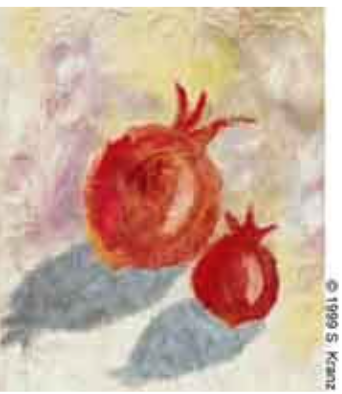
Rashi, en su comentario sobre este versículo, sostiene que las campanas estaban “entre ellos. . . Entre cada dos granadas, se colocó una campana que colgaba del dobladillo de la túnica “. Nachmanides no está de acuerdo. “No sé por qué el maestro [Rashi] hizo que las campanas se separaran, una campana entre dos granadas”, escribe. “Según esto, las granadas no cumplían ninguna función. Y si estaban allí por la belleza, ¿por qué se hicieron como granadas huecas? Deberían haberse hecho como manzanas doradas. . . Más bien, [las campanas] estaban literalmente dentro de ellos, porque las granadas eran huecas, como pequeñas granadas sin abrir, y las campanas estaban contenidas dentro de ellas. . . “
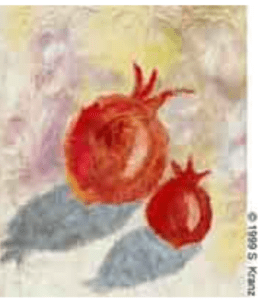
Los comentarios posteriores entran en el debate. “¿Por qué [Nachmanides] prefiere las manzanas a las granadas?” se pregunta el rabino Elijah Mizrachi. Otros comentarios explican que la dificultad de Nachmanides con la interpretación de Rashi es que la forma hueca de la granada (el mismo Rashi también dice que eran “redondas y huecas”) indica que tenían un propósito funcional más que decorativo. Pero, ¿qué quiere decir Nachmanides cuando dice que “si estuvieran allí por la belleza. . . deberían haber sido hechas como manzanas doradas ”?
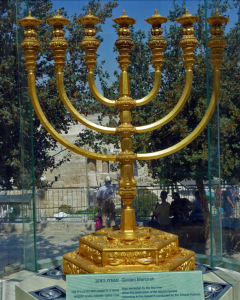
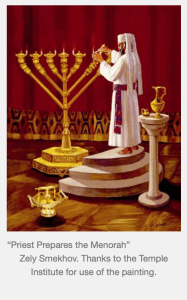
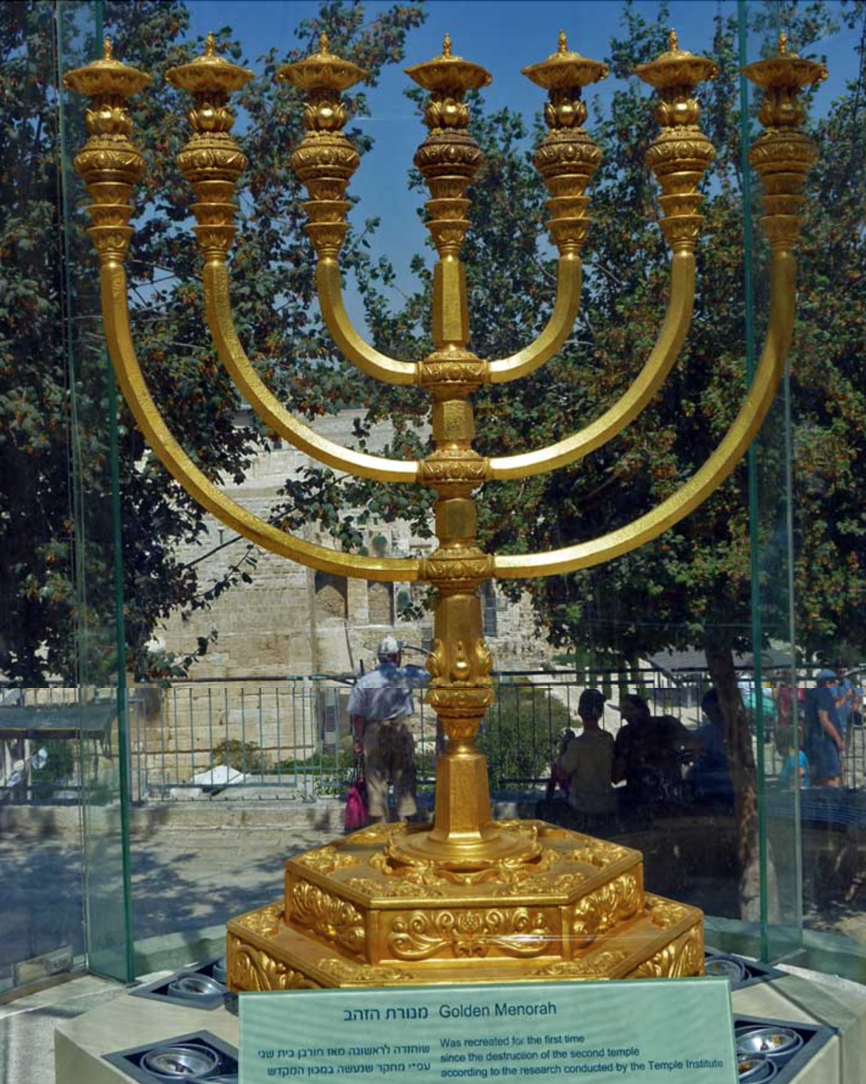
De hecho, la menorá estaba decorada con esferas parecidas a manzanas, cuyo único propósito era la belleza. Quizás Nachmanides derive de esto que en la elaboración del Santuario y sus accesorios, la fruta decorativa elegida fue la manzana. Pero esto en sí mismo requiere una explicación. ¿Por qué manzanas? ¿Y por qué, según Rashi, se embelleció la menorá con manzanas y la túnica del kohen gadol con granadas?
Escrituras aisladas
Tanto la manzana como la granada son representativas del pueblo judío. La Torá compara a Israel con una manzana (“Como una manzana entre los árboles del bosque, así es mi amado” – Cantar de los Cantares 2: 2) así como con una granada (“Tus labios son como un hilo de grana, y tu boca es hermosa, tu sien como un trozo de granada entre tus cabellos ”—ib. 4: 3). Pero mientras que la manzana representa a Israel en un estado virtuoso, la granada se refiere a los “huecos” o “los vacíos entre ustedes”. Según la interpretación del Talmud, el verso “tu templo es como un trozo de granada” viene a decir que “incluso los vacíos entre ustedes están llenos de buenas obras como una granada [está llena de semillas]”. (Rakah, la palabra hebrea que se usa en el versículo para “templo”, está relacionada con la palabra reik, “vacío”. Por lo tanto, “tu templo” se traduce homiléticamente “los vacíos entre vosotros”).
La granada es más que un modelo de algo que contiene muchos detalles. En un nivel más profundo, esta metáfora también aborda la paradoja de cómo un individuo puede estar “vacío” y, al mismo tiempo, estar “lleno de buenas obras como una granada”.
La granada es una fruta muy “compartimentada”. Cada uno de sus cientos de semillas está envuelto en su propio saco de carne y está separado de sus compañeros por una membrana resistente. De la misma manera, es posible que una persona haga buenas acciones —muchas buenas acciones— y sin embargo siguen siendo actos aislados, con poco o ningún efecto sobre su naturaleza y carácter. Entonces, a diferencia de la “manzana”, cuya delicia es desde el corazón hasta la piel, la “granada” contiene muchas virtudes, pero no le convienen. Puede que esté lleno de buenas obras, pero permanece moral y espiritualmente vacío.
Esto explica la conexión entre las granadas y las campanas en el dobladillo del manto sacerdotal. Como se explicó anteriormente, las campanas ruidosas representan al individuo imperfecto que se esfuerza por trascender su estado deficiente. Aunque todavía es un pobre espiritual, se niega a actuar como tal, de ahí la ruidosa fricción que caracteriza su vida.
Hermoso Ruido
Para convertirse en manzana, primero hay que ser granada. Uno debe actuar de manera diferente a sí mismo, como un pobre que se da un festín en la mesa de un rico: un espectáculo torpe, quizás, pero inevitable si una persona quiere trascender el yo animalista y egocéntrico en el que nace todo hombre. El primer paso para volverse perfecto es comportarse como si fuera perfecto. De hecho, antes de que Elías experimentara a Di-s en una “voz suave y apacible”, primero vio el viento, la tormenta y el fuego.
Por lo tanto, Nachmanides ve las campanas cubiertas de granadas en el dobladillo de Aaron como una fase preliminar del servicio divino de uno, más que como el servicio en sí. La belleza, sin embargo, se encuentra en la perfección de la “manzana” de la menorá: siete lámparas de aceite de oliva puro, que representan la llama silenciosa y tranquila del alma. Si las granadas en la túnica sacerdotal fueran por belleza, argumenta Najmánides, no serían granadas, sino manzanas. Estos frutos huecos son puramente funcionales, una etapa preparatoria en la búsqueda del alma por la perfección y la unión con su fuente en Di-s.
Sin embargo, según Rashi, la belleza de Israel radica también en sus “granadas”. De hecho, en cierto sentido, la lucha del alma imperfecta es aún más hermosa que la serena perfección de su prójimo más virtuoso. Porque el individuo perfectamente recto sirve a Di-s siendo lo que es, mientras que cada acto positivo de los “vacíos entre ustedes” es un acto de sacrificio y autotrascendencia. Entonces, incluso antes de que una persona alcance la perfección- incluso si toda su vida se gasta en la búsqueda de la perfección, el clamor de sus esfuerzos es música para el oído de Di-s.
Una Aplicación Contemporánea
Hay quienes afirman que la Torá y sus mitzvot son un asunto privado entre el Judío y su Di-s, no algo para exhibir en las calles. Tefilín, Shabat, la santidad de la vida familiar, conceptos “esotéricos” como “realidad divina” o “Mashíaj”, no deben venderse en una acera del centro de la ciudad o eslogan en una cartelera resbaladiza. Nunca, en nuestra historia como nación, se ha hecho algo así, dicen. Estás vulgarizando el alma del Judaísmo, acusan.
Pero este es el “borde” de la historia, la generación más humilde y superficial hasta ahora. Para esta generación, la voz suave y apacible de Di-s suena como ruido extraterrestre. ¿Debería callarse esta voz, para susurrarse sólo entre las manzanas? ¿O debería sonar su llamada, aunque sea ruidosa, hasta que se escuche por encima del estruendo?
Hablarle a esta generación en su propio idioma, el lenguaje- del fragmento de sonido, de la compartimentación incesante y el empaquetado vacío, aumenta aún más el nivel de ruido. Pero combatir fuego con fuego no solo es efectivo; también saca a la luz facetas del propio potencial que de otra manera quedarían sin realizar. Las campanas y las granadas que transmiten la verdad divina son más que un medio hacia un fin tranquilo; ellos mismos son cosas bellas.
Love According to the Rebbe
By Yanki Tauber

What if someone said to you, “I love you, but I don’t like your children?” You’d probably say: “You may think that you love me, but you don’t really. You don’t care for what I care most deeply about. Obviously, you don’t know anything about me, and you don’t know what love is, either!”
To Read the Full Article:
chabad.org/jewish/Love-According-to-the-Rebbe
Amor Según el Rebe
¿Qué pasa si alguien te dice: “Te amo, pero no me gustan tus hijos”? Probablemente dirías: “Puedes pensar que me amas, pero en realidad no es así. No te preocupas por lo que más me importa. Obviamente, no sabes nada de mí y no te preocupas. ¡Tampoco sé lo que es el amor!
La Torá nos ordena “Ama a tu prójimo como a ti mismo”. La Torá también nos dice: “Ama al Señor tu Di-s”. Esto llevó a los discípulos del rabino Schneur Zalman de Liadi (1745-1812) a preguntarle a su maestro: “¿Cuál es la virtud más grande, el amor a Di-s o el amor al prójimo?”
El verdadero amor significa que amas lo que ama tu ser querido.
El rabino Schneur Zalman respondió: Los dos son lo mismo. Luego explicó: Di-s ama a cada uno de Sus hijos. Entonces, en última instancia, el amor por el prójimo es una mayor muestra de amor por Di-s que simplemente amar a Di-s. Porque el amor verdadero significa que amas lo que ama tu ser querido.
El rabino Schneur Zalman fue el fundador de la rama del jasidismo de Jabad, y sus enseñanzas sobre el amor de Di-s y el hombre forman una parte integral de la filosofía y la ética de Jabad. Tras el fallecimiento del rabino Schneur Zalman en 1812, su hijo y sucesor, el rabino DovBer, se estableció en la ciudad de Lubavitch, que sirvió como sede del movimiento durante los siguientes 102 años. ¿Fue por coincidencia o intencionalmente que el rabino DovBer eligiera un lugar cuyo nombre significa “Pueblo del amor”? Los lubavitchers (como también se les conoce a Jabad Chassidim) simplemente responderán que no existe tal cosa como “coincidencia”, porque incluso los eventos aparentemente menores de nuestras vidas están guiados por la providencia divina y están repletos de significado.
El 10 de Shevat, 5711 (17 de enero de 1951), un grupo de Jabad-Lubavitch Jasidim se reunió en 770 Eastern Parkway, Brooklyn, Nueva York. La ocasión fue el primer aniversario del fallecimiento del sexto Rebe, el rabino Yosef Yitzchak Schneersohn, y la aceptación oficial del liderazgo de Jabad-Lubavitch por parte del rabino Menachem Mendel Schneerson, quien a partir de esa noche sería conocido como el séptimo Rebe de Lubavitcher o simplemente, “el Rebe”.
Esa noche, el Rebe también habló sobre el amor, sobre la interrelación entre el amor a Di-s y el amor al prójimo. Pero el tema se había vuelto más complejo desde que el primer Rebe de Jabad había hablado de él siete generaciones antes.
Mucho había ocurrido en el ínterin: el movimiento de “ilustración”, que alejó a muchos jóvenes judíos de su herencia; La Primera Guerra Mundial, que desplazó a gran parte de los judíos europeos (en 1915, la ciudad de Lubavitch fue destruida y el quinto Lubavitcher Rebbe huyó al interior de Rusia); La guerra del comunismo contra el judaísmo (en 1927, el sexto Rebe de Lubavitcher fue arrestado por sus esfuerzos por preservar la fe y la práctica judías en todo el imperio soviético, y condenado a muerte; la presión internacional logró su liberación y emigración de Rusia); y el Holocausto, que puso fin a 1000 años de floreciente vida judía en Europa.
La destrucción de los judíos europeos fue un recuerdo fresco para los presentes esa noche de invierno de 1951 cuando el Rebe asumió el mando. Ahora estaban en Estados Unidos, físicamente seguros, pero el futuro espiritual parecía sombrío. El espíritu del “crisol de culturas” del Nuevo Mundo no fomentaba el cultivo de una identidad judía y la observancia de una forma de vida judía.
En la época del rabino Schneur Zalman, se aceptaba universalmente que una forma de vida de la Torá era la actualización del vínculo entre un judío y su Padre Celestial. En 1951, la pequeña minoría de judíos observantes de la Torá en Estados Unidos fue objeto de desprecio y burla por parte de muchos de sus propios hermanos. Lo máximo que podían esperar razonablemente era persistir en sus propias creencias y tratar de transmitirlas a sus hijos.
Así que no fue tan simple como “Te amo, pero no me agradan tus hijos”. Los sentimientos del típico judío comprometido con la Torá en 1951 probablemente fueron algo como esto: “Di-s, te amo y amo a tus hijos, aquellos que actúan contigo como hijos hacia su padre. No estoy tan entusiasmado con esos que niegan su vínculo contigo “. Incluso podrían haber sentido que su amor por Di-s era más puro porque excluía a esos niños “rebeldes”.
Esa noche, después de pronunciar el maamar (discurso de la enseñanza jasídica) que en la tradición de Jabad marca la aceptación formal de un Rebe de su papel, el Rebe sonrió y dijo: El Talmud dice que “Cuando vengas a una ciudad, haz lo que su costumbre”. ” Aquí en América se acostumbra “hacer una declaración”; Supongo que esto significa que debemos seguir la costumbre local.
Entonces el Rebe emitió una “declaración”:
Los tres amores, el amor a Di-s, el amor a la Torá y el amor al prójimo, son uno. No se pueden diferenciar entre ellos, porque son de una sola esencia … Y como son de una sola esencia, cada uno encarna los tres.
El Rebe continuó explicando que el hecho de que “cada uno encarna a los tres” tiene una doble implicación. Significa que a menos que los tres amores estén presentes, ninguno de ellos está completo. Pero también significa que donde exista cualquiera de los tres, eventualmente provocará los tres.
Una persona que ama a Di-s y está abierta a este amor, eventualmente llegará a amar lo que Dios ama: todos Sus hijos. Y su amor lo llevará a desear acercar a los hijos de Di-s a la Torá, porque eso es lo que ama a Di-s. Aquel que ama la Torá, eventualmente internalizará el reconocimiento de que el propósito y la razón de ser de la Torá es unir amorosamente a Di-s y a todos Sus hijos. Y quien ama verdaderamente a un prójimo inevitablemente llegará a amar a Di-s, ya que el amor al prójimo es, en esencia, el amor a Di-s; y será impulsado a acercar a sus compañeros judíos a la Torá, que es la expresión y actualización de su vínculo con Di-s.
Cuando hay amor por Di-s pero no amor por la Torá y amor por Israel, esto significa que también falta el amor por Di-s. Por otro lado, cuando hay amor por un hermano judío, esto eventualmente traerá también amor por la Torá y amor por Di-s …
Entonces, si ves a una persona que ama a Di-s, pero que carece de amor por la Torá y por su prójimo, debes decirle que su amor por Di-s es incompleto. Y si ves a una persona que solo ama a su prójimo, debes esforzarte por llevarlo al amor por la Torá y al amor por Di-s, para que su amor hacia sus semejantes no solo se exprese al proporcionar pan para los demás. hambrientos y agua para los sedientos, sino también para acercarlos a la Torá ya Di-s.
Cuando tengamos los tres amores juntos, lograremos la Redención. Porque así como este último Galut (exilio) fue causado por una falta de amor fraternal, así la Redención final e inmediata se logrará por el amor al prójimo.
En las seis décadas siguientes, las palabras del Rebe se convirtieron en la declaración de misión de miles de Casas Jabad y centros de alcance en todo el mundo. Más significativamente, anunciaron un cambio radical en la forma en que los judíos consideraban su herencia, su Di-s y entre ellos. No es exagerado decir que la “declaración” emitida esa noche por un sobreviviente del Holocausto de 48 años cambió el rostro de los judíos del mundo.

Quizá, antes de pedir que venga el Mesías o la era mesiánica, debemos de pedir al Eterno, que nos ayude para estar listos para recibir al Mesías o entrar a la era mesiánica.Para todo, antes de recibirlo, debemos estar preparados.
¿Estamos listos para recibir lo que el Di-s Altísimo tiene preparado para nosotros?
Dónde está el Amor ?
Dónde esta la Misericordia y la Verdad?
Dónde está la Justicia y la Paz?
Perhaps, before asking for the Messiah or the messianic era to come, we must ask the Eternal to help us to be ready to receive the Messiah or enter the messianic era. For everything, before receiving him, we must be prepared.
Are we ready to receive what the Most High Gd has in store for us?
Where is the love ?
Where is the Mercy and the Truth?
Where is Justice and Peace?
Los Salmos 85(11-12)
11 La misericordia y la verdad se encuentran. La justicia y La Paz se besan.
12 La verdad surge de la tierra, y la justicia mira hacia abajo desde el cielo.
Tehillim – Psalms – Chapter 85
| 11 Kindness and truth have met; righteousness and peace have kissed. |
|
יאחֶֽסֶד־וֶֽאֱמֶ֥ת נִפְגָּ֑שׁוּ צֶ֖דֶק וְשָׁל֣וֹם נָשָֽׁקוּ: |
| 12 Truth will sprout from the earth, and righteousness will look down from heaven. |
|
יבאֱמֶת מֵאֶ֣רֶץ תִּצְמָ֑ח וְ֜צֶ֗דֶק מִשָּׁמַ֥יִם נִשְׁקָֽף: |
History of the Holy Temple Menorah




 Rita Sibbick