La Plegaria Robada / The Stolen Prayer

Relato del Midrash: Cuando Moisés subió a la morada celestial, escuchó a los ángeles cantando las palabras “Baruj Shem kevod maljuto leolam vaed” (“Bendito sea el nombre de la gloria de Su reino por siempre jamás”), y en su descenso se lo enseñó al pueblo de Israel. ¿Por qué Israel no proclama estas palabras abiertamente, (sino que las susurran en voz baja durante el servicio diario del Shema)? Rab Asi dice: “Esto es comparable a un hombre que robó una joya del palacio real y se lo da a su mujer. “Te imploro” le dice a ella, “nunca uses esta joya en público, sólo en la intimidad de tu hogar ” Sin embargo, en Iom Kipur, cuando son puros como ángeles, proclaman estas palabras en voz alta”.

A simple vista, este Midrash genera más preguntas que su respuesta. Si la plegaria le pertenece a los ángeles, ¿por qué Moisés se las robó? Si anunciamos el robo en Iom Kipur, ¿cuál es el propósito de una mayor cautela después de Iom Kipur? ¿Cómo Iom Kipur mejora nuestra pureza?

El Judío y Di-s
Inmediatamente después de este relato, el Midrash continúa explicando que hay cinco niveles del alma, y el más elevado es la Iejidá (de la palabra Iajid que significa “único”). El Midrash nos cuenta de la conexión que hay entre Di-s y el alma, especialmente en el quinto nivel. “Así como Di-s es único…así también el alma”

El Sumo Sacerdote y los Ángeles
Una vez al año, en Iom Kipur, el sumo sacerdote solía entrar al Santuario interior del Templo, conocido como el Santo de los Santos. El Talmud Ierushalmi (Ioma 1:5) nos enseña que cuando el sumo sacerdote entraba allí en día de Iom Kipur, estaba solo con Di-s, incluso los ángeles no tenían permitido entrar. Esto quiere decir que la conexión entre Di-s y el alma humana en ese momento era tan intensa que estaba más allá de la capacidad espiritual de los ángeles.

La Conexión en la Vida Moderna
No tenemos nuestros Servicios del Templo Sagrado hoy en día, pero en su lugar tenemos las plegarias. Oramos tres veces al día. En Shabat y Festividades agregamos una cuarta plegaria, Musaf, que significa “adición”. Iom Kipur es el único día del año en el que agregamos “Neilá”, una quinta plegaria, cuando el sol se está poniendo debajo del horizonte y el día está llegando a su fin.

Los Jasidim explican que las plegarias están conectadas a los cinco niveles del alma. Por lo que la quinta plegaria que decimos en Iom Kipur, representa la Iejidá. Durante todo el año, este nivel se encuentra oculto en nosotros, ya que es muy sagrado para el mundo físico. Pero en Iom Kipur, la Iejidá se revela. Este es el nivel que era revelado por el Sumo Sacerdote en el Santo de los Santos. En nivel que, como el Talmud nos enseña, está más allá de los ángeles y el Midrash dice que es uno con Di-s.

El Ladrón Honesto
Ahora entendemos el secreto detrás del llamado “ladrón” de la plegaria de “Baruj Shem”. Esta sagrada plegaria debe ser recitada solamente por el ser más espiritual. Los ángeles tienen derecho a cantarlo. Y en el nivel más elevado, Iejidá, cada una de nuestras almas es más sagrada que los ángeles, y es por esto que lo cantamos durante el año.

Pero como este nivel no es evidente en nosotros durante el año, lo cantamos en voz baja. Decirlo en voz alta sería una forma de “robo”. Somos santos, pero nuestra santidad está oculta, y es por esto que recitamos esta plegara, pero la ocultamos diciéndola en voz baja.

En Iom Kipur, cuando este nivel del alma está completamente revelado en nosotros, proclamamos esta plegaria en voz alta.

Por: Lazer Gurkow

A Midrashic Account

By Lazer Gurko

When Moses ascended to the supernal abode, he heard the angels singing the words “Baruch shemkevod malchuto le’olam va’ed” (“Blessed be the name of the glory of His Kingdom forever and ever”), and upon his descent he taught it to Israel. Why does Israel not proclaim these words openly [but rather whisper them in an undertone during the daily Shemaservice]? Says Rabbi Asi, “This is comparable to a man who stole a gem from the royal palace and gave it to his wife. ‘I implore you,’ he said to her, ‘never wear this gem in public, only in the privacy of your home.’ However, on Yom Kippur, when they are pure as angels, they proclaim these words loudly.”1

On the surface, this Midrash raises more questions than it answers. If this prayer belongs to the angels, why did Moses steal it? If we announce the theft on Yom Kippur, what is the purpose of further stealth after Yom Kippur? How does Yom Kippur enhance our purity?

The Jew and G‑d

Immediately following the above account, the Midrash goes on to explain that there are five levels to the soul, of which the fifth and highest is yechidah, from the root yachid, which translates as “alone” or “unique.” The Midrash tells of the intimate connection between G‑d and the soul, especially on the fifth and highest level. “Just as G‑d is alone . . . so too is the soul alone.”

The High Priest and the Angels

Once a year, on Yom Kippur, the high priest would enter the Temple’s innermost sanctuary, known as the Holy of Holies. The Jerusalem Talmud

To read the full article:

www.chabad.org/The-Stolen-Prayer.

Fuente:

www.jabad.org.ar/-plegaria-robada.

Zechariah – Chapter 8

1And the word of the Lord of Hosts came [to me], saying: אוַיְהִ֛י דְּבַר־יְהֹוָ֥ה צְבָא֖וֹת לֵאמֹֽר:
2So said the Lord of Hosts: I am jealous for Zion with great jealousy, and with great fury I am jealous for her. בכֹּ֚ה אָמַר֙ יְהֹוָ֣ה צְבָא֔וֹת קִנֵּ֥אתִי לְצִיּ֖וֹן קִנְאָ֣ה גְדוֹלָ֑ה וְחֵמָ֥ה גְדוֹלָ֖ה קִנֵּ֥אתִי לָֽהּ:
3So said the Lord: I will return to Zion, and I will dwell in the midst of Jerusalem; and Jerusalem shall be called the city of truth, and the mount of the Lord of Hosts [shall be called] the holy mountain. גכֹּה אָמַ֣ר יְהֹוָ֔ה שַׁבְתִּי אֶל־צִיּ֔וֹן וְשָֽׁכַנְתִּ֖י בְּת֣וֹךְ יְרֽוּשָׁלִָ֑ם וְנִקְרְאָ֚ה יְרֽוּשָׁלִַ֙ם֙ עִ֣יר־הָֽאֱמֶ֔ת וְהַר־יְהֹוָ֥ה צְבָא֖וֹת הַ֥ר הַקֹּֽדֶשׁ:
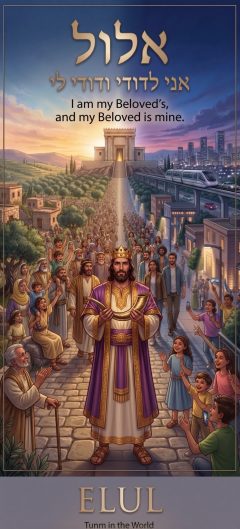
4So said the Lord of Hosts: Old men and women shall yet sit in the streets of Jerusalem, each man with his staff in his hand because of old age. דכֹּ֚ה אָמַר֙ יְהֹוָ֣ה צְבָא֔וֹת עֹ֚ד יֵֽשְׁבוּ֙ זְקֵנִ֣ים וּזְקֵנ֔וֹת בִּרְחֹב֖וֹת יְרֽוּשָׁלִָ֑ם וְאִ֧ישׁ מִשְׁעַנְתּ֛וֹ בְּיָד֖וֹ מֵרֹ֥ב יָמִֽים:
5And the streets of the city shall be filled, with boys and girls playing in its streets. הוּרְחֹב֚וֹת הָעִיר֙ יִמָּ֣לְא֔וּ יְלָדִ֖ים וִֽילָד֑וֹת מְשַֽׂחֲקִ֖ים בִּרְחֹֽבֹתֶֽיהָ:
6So said the Lord of Hosts: As it will be wonderful in the eyes of the remnant of this people in those days, it will also be wonderful in My eyes, says the Lord of Hosts. וכֹּ֚ה אָמַר֙ יְהֹוָ֣ה צְבָא֔וֹת כִּ֣י יִפָּלֵ֗א בְּעֵינֵי֙ שְׁאֵרִית֙ הָעָ֣ם הַזֶּ֔ה בַּיָּמִ֖ים הָהֵ֑ם גַּם־בְּעֵינַי֙ יִפָּלֵ֔א נְאֻ֖ם יְהֹוָ֥ה צְבָאֽוֹת:
7So said the Lord of Hosts: Behold I will save My people from the land of the east and from the land of the west. זכֹּ֚ה אָמַר֙ יְהֹוָ֣ה צְבָא֔וֹת הִֽנְנִ֥י מוֹשִׁ֛יעַ אֶת־עַמִּ֖י מֵאֶ֣רֶץ מִזְרָ֑ח וּמֵאֶ֖רֶץ מְב֥וֹא הַשָּֽׁמֶשׁ:
8And I will bring them, and they shall dwell in the midst of Jerusalem; and they shall be My people, and I shall be their God, in truth and in righteousness. חוְהֵֽבֵאתִ֣י אֹתָ֔ם וְשָֽׁכְנ֖וּ בְּת֣וֹךְ יְרֽוּשָׁלִָ֑ם וְהָֽיוּ־לִ֣י לְעָ֗ם וַֽאֲנִי֙ אֶֽהְיֶ֚ה לָהֶם֙ לֵֽאלֹהִ֔ים בֶּֽאֱמֶ֖ת וּבִצְדָקָֽה:
9So said the Lord of Hosts: Let your hands be strong, you who hear in these days these words from the mouth of the prophets that were [prophesying] in the day that the foundation of the house of the Lord of Hosts was laid, even the Temple, that it might be built. טכֹּֽה־אָמַר֘ יְהֹוָ֣ה צְבָאוֹת֒ תֶּֽחֱזַ֣קְנָה יְדֵיכֶ֔ם הַשֹּֽׁמְעִים֙ בַּיָּמִ֣ים הָאֵ֔לֶּה אֵ֖ת הַדְּבָרִ֣ים הָאֵ֑לֶּה מִפִּי֙ הַנְּבִיאִ֔ים אֲ֠שֶׁר בְּי֞וֹם יֻסַּ֨ד בֵּֽית־יְהֹוָ֧ה צְבָא֛וֹת הַֽהֵיכָ֖ל לְהִבָּנֽוֹת:
10For before those days, there was no hire for man; neither was there any hire for beast. And for him that went out or came in, there was no peace because of the adversary, and I would incite all men, each one against his neighbor. יכִּ֗י לִפְנֵי֙ הַיָּמִ֣ים הָהֵ֔ם שְׂכַ֚ר הָֽאָדָם֙ לֹ֣א נִֽהְיָ֔ה וּשְׂכַ֥ר הַבְּהֵמָ֖ה אֵינֶ֑נָּה וְלַיּוֹצֵ֨א וְלַבָּ֚א אֵֽין־שָׁלוֹם֙ מִן־הַצָּ֔ר וַֽאֲשַׁלַּ֥ח אֶת־כָּל־הָֽאָדָ֖ם אִ֥ישׁ בְּרֵעֵֽהוּ:
11But now I am not [the same] to the remnant of this people as in the early days, said the Lord of Hosts. יאוְעַתָּ֗ה לֹ֣א כַיָּמִ֚ים הָרִֽאשֹׁנִים֙ אֲנִ֔י לִשְׁאֵרִ֖ית הָעָ֣ם הַזֶּ֑ה נְאֻ֖ם יְהֹוָ֥ה צְבָאֽוֹת:
12For the sowing is for peace. The vine shall give forth its fruit, and the earth shall give forth its produce, and the heavens shall give forth their dew-and I will cause the remnant of this people to inherit all these. יבכִּֽי־זֶ֣רַע הַשָּׁל֗וֹם הַגֶּ֜פֶן תִּתֵּ֚ן פִּרְיָהּ֙ וְהָאָ֙רֶץ֙ תִּתֵּ֣ן אֶת־יְבוּלָ֔הּ וְהַשָּׁמַ֖יִם יִתְּנ֣וּ טַלָּ֑ם וְהִנְחַלְתִּ֗י אֶת־שְׁאֵרִ֛ית הָעָ֥ם הַזֶּ֖ה אֶת־כָּל־אֵֽלֶּה:
13And it shall come to pass that [just] as you were a curse among the nations, O house of Judah and house of Israel, so will I save you-and you shall be a blessing. Fear not; may your hands be strengthened! יגוְהָיָ֡ה כַּֽאֲשֶׁר֩ הֱיִיתֶ֨ם קְלָלָ֜ה בַּגּוֹיִ֗ם בֵּ֚ית יְהוּדָה֙ וּבֵ֣ית יִשְׂרָאֵ֔ל כֵּן אוֹשִׁ֣יע אֶתְכֶ֔ם וִֽהְיִיתֶ֖ם בְּרָכָ֑ה אַל־תִּירָ֖אוּ תֶּֽחֱזַ֥קְנָה יְדֵיכֶֽם:
14For so said the Lord of Hosts: As I planned to do evil to you when your forefathers provoked Me-said the Lord of Hosts-and I did not repent, ידכִּ֣י כֹ֣ה אָמַר֘ יְהֹוָ֣ה צְבָאוֹת֒ כַּֽאֲשֶׁ֨ר זָמַמְ֜תִּי לְהָרַ֣ע לָכֶ֗ם בְּהַקְצִ֚יף אֲבֹֽתֵיכֶם֙ אֹתִ֔י אָמַ֖ר יְהֹוָ֣ה צְבָא֑וֹת וְלֹ֖א נִחָֽמְתִּי:
15so have I turned about. I have planned in these days to do good to Jerusalem and to the house of Judah; do not fear. טוכֵּ֣ן שַׁ֚בְתִּי זָמַ֙מְתִּי֙ בַּיָּמִ֣ים הָאֵ֔לֶּה לְהֵיטִ֥יב אֶת־יְרֽוּשָׁלִַ֖ם וְאֶת־בֵּ֣ית יְהוּדָ֑ה אַל־תִּירָֽאוּ:
16These are the things that you shall do: Speak the truth each one with his neighbor; truth, and judgment of peace you shall judge in your cities. טזאֵ֥לֶּה הַדְּבָרִ֖ים אֲשֶׁ֣ר תַּֽעֲשׂ֑וּ דַּבְּר֚וּ אֱמֶת֙ אִ֣ישׁ אֶת־רֵעֵ֔הוּ אֱמֶת֙ וּמִשְׁפַּ֣ט שָׁל֔וֹם שִׁפְט֖וּ בְּשַֽׁעֲרֵיכֶֽם:
17And let no one think evil of his neighbors in your heart, nor shall you love a false oath-for all these are what I hate, says the Lord. יזוְאִ֣ישׁ | אֶת־רָעַ֣ת רֵעֵ֗הוּ אַל־תַּחְשְׁבוּ֙ בִּלְבַבְכֶ֔ם וּשְׁבֻ֥עַת שֶׁ֖קֶר אַל־תֶּֽאֱהָ֑בוּ כִּ֧י אֶת־כָּל־אֵ֛לֶּה אֲשֶׁ֥ר שָׂנֵ֖אתִי נְאֻם־יְהֹוָֽה:
18And the word of the Lord of Hosts came to me, saying: יחוַיְהִ֛י דְּבַר־יְהֹוָ֥ה צְבָא֖וֹת אֵלַ֥י לֵאמֹֽר:
19So said the Lord of Hosts: The fast of the fourth [month], the fast of the fifth [month], the fast of the seventh [month], and the fast of the tenth [month] shall be for the house of Judah for joy and happiness and for happy holidays-but love truth and peace. יטכֹּֽה־אָמַ֞ר יְהֹוָ֣ה צְבָא֗וֹת צ֣וֹם הָֽרְבִיעִ֡י וְצ֣וֹם הַֽחֲמִישִׁי֩ וְצ֨וֹם הַשְּׁבִיעִ֜י וְצ֣וֹם הָֽעֲשִׂירִ֗י יִֽהְיֶ֚ה לְבֵית־יְהוּדָה֙ לְשָׂשׂ֣וֹן וּלְשִׂמְחָ֔ה וּֽלְמֹֽעֲדִ֖ים טוֹבִ֑ים וְהָֽאֱמֶ֥ת וְהַשָּׁל֖וֹם אֱהָֽבוּ:
20So said the Lord of Hosts: [There will] yet [be a time] that peoples and the inhabitants of many cities shall come. ככֹּ֥ה אָמַ֖ר יְהֹוָ֣ה צְבָא֑וֹת עֹד אֲשֶׁר יָבֹ֣אוּ עַמִּ֔ים וְיֹֽשְׁבֵ֖י עָרִ֥ים רַבּֽוֹת:
21And the inhabitants of one shall go to another, saying, “Let us go to pray before the Lord and to entreat the Lord of Hosts. I, too, will go.” כאוְֽהָלְכ֡וּ יוֹשְׁבֵי֩ אַחַ֨ת אֶל־אַחַ֜ת לֵאמֹ֗ר נֵלְכָ֚ה הָלוֹךְ֙ לְחַלּוֹת֙ אֶת־פְּנֵ֣י יְהֹוָ֔ה וּלְבַקֵּ֖שׁ אֶת־יְהֹוָ֣ה צְבָא֑וֹת אֵֽלְכָ֖ה גַּם־אָֽנִי:
22And many peoples and powerful nations shall come to entreat the Lord of Hosts in Jerusalem, and to pray before the Lord. כבוּבָ֨אוּ עַמִּ֚ים רַבִּים֙ וְגוֹיִ֣ם עֲצוּמִ֔ים לְבַקֵּ֛שׁ אֶת־יְהֹוָ֥ה צְבָא֖וֹת בִּירֽוּשָׁלִָ֑ם וּלְחַלּ֖וֹת אֶת־פְּנֵ֥י יְהֹוָֽה:
23So said the Lord of Hosts: In those days, when ten men of all the languages of the nations shall take hold of the skirt of a Jewish man, saying, “Let us go with you, for we have heard that God is with you.” כגכֹּֽה־אָמַר֘ יְהֹוָ֣ה צְבָאוֹת֒ בַּיָּמִ֣ים הָהֵ֔מָּה אֲשֶׁ֚ר יַֽחֲזִ֙יקוּ֙ עֲשָׂרָ֣ה אֲנָשִׁ֔ים מִכֹּ֖ל לְשֹׁנ֣וֹת הַגּוֹיִ֑ם וְֽהֶחֱזִ֡יקוּ בִּכְנַף֩ אִ֨ישׁ יְהוּדִ֜י לֵאמֹ֗ר נֵֽלְכָה֙ עִמָּכֶ֔ם כִּ֥י שָׁמַ֖עְנוּ אֱלֹהִ֥ים עִמָּכֶֽם:

Fuente:

www.chabad.org/16212

8(1) Y fue la palabra del Eterno de los Ejércitos, diciendo: (2) Así dice el Eterno de los Ejércitos: “Estoy celoso de Sión con grandes celos. Estoy celoso de ella con gran furia”. (3) Así dice el Eterno: Vuelvo a  Sión y moraré en Jerusalem. Jerusalén  será llamada Ir Haémet (Ciudad de la verdad) y la montaña del Eterno de los Ejércitos Har Hacódesh (Montaña santa).

(4) Así dice el Eterno de los Ejércitos: Se sentarán los ancianos y las ancianas en las plazas de Jerusalén, cada uno con Su báculo de ancianidad en su mano. (5) Y las plazas de las ciudades estarán llenas de mancebos y de muchachas jugando.

(6) Así dice el Eterno de los Ejércitos: “Aunque esto pareciera maravilloso ante los ojos del resto del pueblo en aquellos días, ¿también sería maravillosos ante Mis ojos?” Dice el Eterno de los Ejércitos.

(7) Así dice el Eterno de los Ejércitos: “He aquí que he de salvar a mi pueblo del país del oriente y del occidente. (8) Los traeré y vivirán en medio de Jerusalén; serán Mi pueblo y Yo seré su Dios, en verdad y justicia”.

(9) Así dice el Eterno de los Ejercito: “Fortaleced vuestras manos, vosotros que oís en estos días aquellas palabras de boca de los profetas que profetizaban en el día del basamento de la Casa del Eterno de los Ejércitos, el Templo, para que pudiera ser construido”. (10) Porque antes de esos días, no se podía asalariar hombre ni bestia, ni había paz para el que salía o entraba a causa de sus adversarios, por cuanto Yo puse a todos los hombres uno contra otro. (11) Pero ahora no seré para el resto de este pueblo como aquellos días dice el Eterno de los Ejércitos.

(12) Porque como la simiente de la paz, la vid dará frutos, la tierra dará su fruto, el cielo dará su rocío y Yo haré que el resto de este pueblo herede todas esas cosas. (13) Y sucederá que, así como fuisteis una maldición entre las naciones, oh casa de Judá y casa de Israel, así os he de salvar y seréis una bendición. No temáis; dejad que vuestras manos se fortalezcan.

(14) Porque así dice el Eterno de los Ejércitos: Así como Yo me propuse haceros el mal cuando vuestros padres Me provocaron, dice el Eterno de los Ejércitos y Yo no me arrepentí, (15) del mismo modo Me propongo ahora hacer el bien a Jerusalén y a la casa de Judá. No temáis pues.

(16) Estas son las cosas que debéis hacer: Que cada cual diga verdad con su prójimo; ejecutad juicio de verdad y de paz en vuestras puertas; (17) y que nadie de vosotros trame el mal en vuestro corazón contra el prójimo, ni ame los falsos juramentos porque todas estas son cosas que odio, dice el Eterno”.

(18) Y me vino la palabra del Eterno de los Ejércitos, diciendo:

(19) Así dice el Dios de los Ejércitos: “El ayuno del mes cuarto, quinto, séptimo y el ayuno del décimo serán para la casa de Judá alegría, regocijo y festividades. Por lo tanto amad la verdad y la paz.

(20) Así dice el Eterno de los Ejércitos: Acontecerá que vendrán pueblos y moradores de muchas ciudades, (21) y los moradores de una ciudad irán a otra diciendo: Vayamos de prisa para implorar el favor del Eterno y para buscar al Eterno de los Ejércitos. Yo también iré. (22) Sí muchos pueblos y naciones poderosas vendrán para buscar al Eterno de los ejércitos en Jerusalem e implorarán el favor del Eterno.

(23) Así dice el Eterno de los Ejércitos: En aquellos días, ocurrirá que diez hombres de todas las lenguas, de todas las naciones, se asirán de la falda del judío diciendo: Iremos contigo porque hemos sabido que Dios está contigo”.