Cae desde la puesta del sol del martes 25 de Abril, hasta la apuesta del sol del 26 de Abril.
Feliz cumpleaños al estado de Israel, que celebra el 75 años de su fundación.
Números 6:22-27
22 Y le dijo el Eterno a Moisés
23 « Dile a Aarón y a sus hijos que así bendeciréis a los hijos de Israel.
24 Que el Señor te bendiga y te cuide.
25 Que el Señor haga resplandecer su rostro hacia vosotros y os favorezca.
26 Que el Señor alce Su rostro hacia ti y te conceda la paz”.
27 Y pondrán Mi nombre sobre los hijos de Israel y los bendeciré».
Bamidbar – Numbers – Chapter 6
| 24 “May the Lord bless you and watch over you. | כדיְבָֽרֶכְךָ֥ יְהוָֹ֖ה וְיִשְׁמְרֶֽךָ: | |
| 25 May the Lord cause His countenance to shine to you and favor you. | כהיָאֵ֨ר יְהוָֹ֧ה | פָּנָ֛יו אֵלֶ֖יךָ וִֽיחֻנֶּֽךָּ: | |
| 26 May the Lord raise His countenance toward you and grant you peace.” | כויִשָּׂ֨א יְהוָֹ֤ה | פָּנָיו֙ אֵלֶ֔יךָ וְיָשֵׂ֥ם לְךָ֖ שָׁלֽוֹם: |
El profeta Jeremías habló acerca de estos días, cuando escribió: «Por tanto, he aquí, vienen días–declara el SEÑOR–cuando ya no se dirá: ‘Vive el SEÑOR, que sacó a los hijos de Israel de la tierra de Egipto’, sino: ‘Vive el SEÑOR, que hizo subir a los hijos de Israel de la tierra del norte y de todos los países adonde los había desterrado.’ Porque los haré volver a su tierra, la cual di a sus padres» (Jer. 16:14-15).
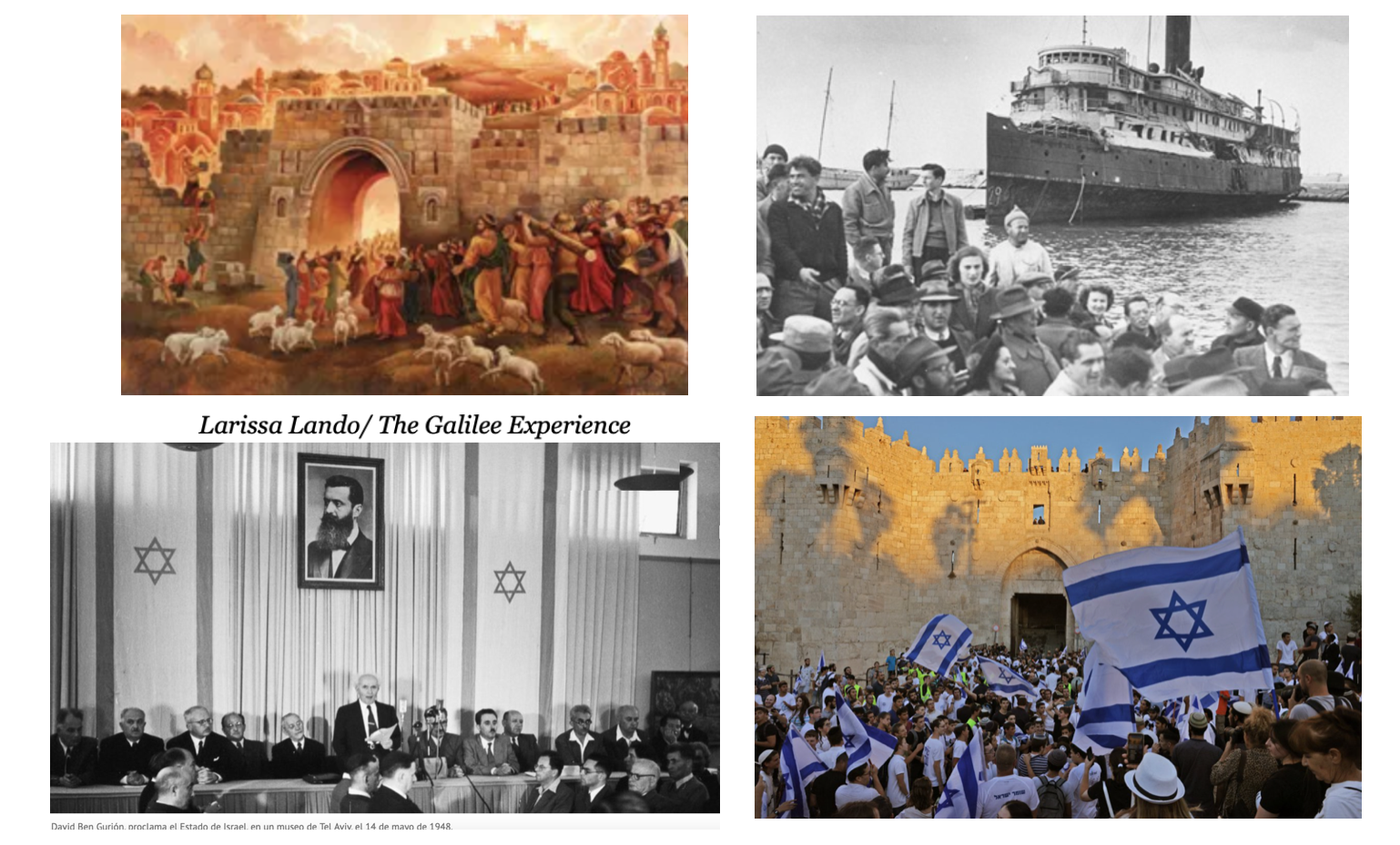
Theodoro Benjamín Zeev Herzl (1860 – 1904)
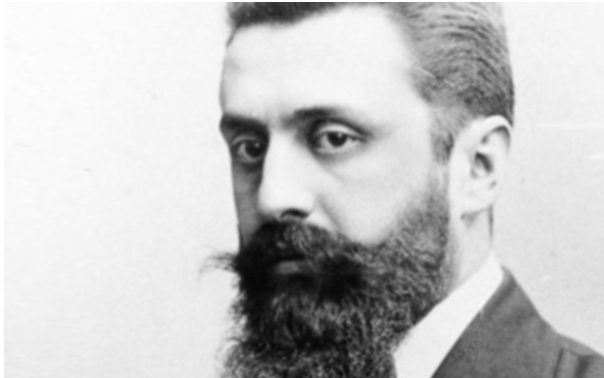
Herzl escribió en su diario:
“Si tuviera que resumir el Congreso de Basilea en una palabra que evitaré pronunciar en público, sería la siguiente: En Basilea fundé el estado Judío. Quizás en cinco años, pero con seguridad en 50, todos lo sabrán” (ver The Siege, de Connor Cruise O’Brian).
El 14 de mayo de 1948, 50 años y 9 meses después, fue fundado el Estado de Israel.
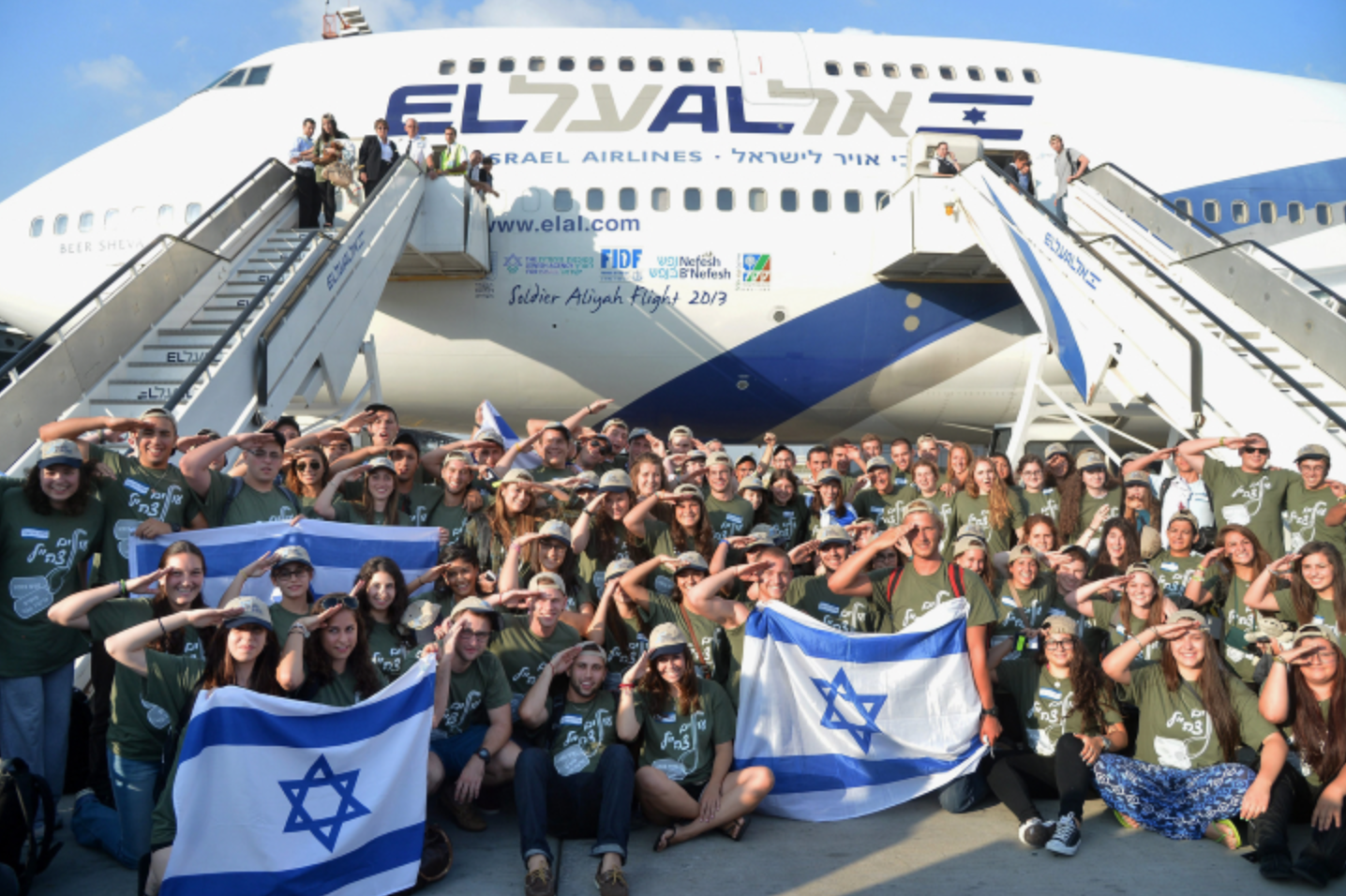
Historia Judía – El Regreso a la Tierra de Israel
26/4/2017
por Rav Ken Spiro
El renacimiento de Israel es un fenómeno sin precedentes en la historia humana.
El anhelo de volver a la Tierra de Israel nunca abandonó al pueblo Judío.
- Lo vemos en Salmos, donde los Judíos recitaban constantemente: “Si te olvidara, Oh Jerusalem…”, o “Cuando Dios nos haga retornar a Sión seremos como soñadores…”.
- En las declaraciones de nuestros sabios, como la de Rabí Najman de Breslov: “Adonde sea que vaya, siempre estoy yendo hacia Israel”.
- Lo vemos en la poesía Judía, como en la de Yehudá Haleví: “Mi corazón está en el Este, pero yo estoy en el lejano Oeste”.
- En los rituales de las festividades: “El año próximo en Jerusalem”.
- Y obviamente en innumerables bendiciones que son recitadas a diario: “Ten piedad, Señor nuestro Dios, sobre Israel Tu pueblo en Jerusalem, Tu ciudad, sobre Sión… Reconstruye Jerusalem, Tu ciudad sagrada, rápidamente en nuestros días y llévanos allí para que nos regocijemos en su reconstrucción…”.
En otras palabras, la tierra de Israel siempre tuvo un lugar en la mente de los Judíos como el lugar en que el potencial nacional judío sería alguna vez alcanzado.
Pero como una realidad práctica, esto no comenzó a ocurrir de manera significativa sino hasta el nacimiento del sionismo moderno, no como un movimiento religioso, sino político.
El renacimiento de Israel es un fenómeno sin precedentes en la historia de la humanidad. Que un pueblo sea exiliado y dispersado, y aún así sobreviva durante 2000 años, que sea una nación sin tierra patria y que retorne a ella y reestablezca esa tierra patria, es un evento milagroso y único. Nunca nadie hizo algo así.
Una breve reseña
Antes de hablar sobre el regreso de los Judíos a su tierra patria, repasemos brevemente la historia de lo ocurrido en la Tierra de Israel desde el año 70 EC, cuando los romanos destruyeron el Templo (ver capítulos 35 a 37).
Subsecuentemente, Jerusalem fue destruida, reconstruida de acuerdo al modelo romano y rebautizada Aelia Capitolina. La Tierra de Israel fue rebautizada ‘Palestina’ (en base a los extintos filisteos, uno de los peores enemigos de los Judíos en la antigüedad).
Desde ese entonces, los Judíos tuvieron prohibido el ingreso a Jerusalem. El Imperio bizantino (la versión cristiana del Imperio romano, con base en Constantinopla) continuó la política anterior y los judíos no tuvieron acceso a Jerusalem hasta que los musulmanes la conquistaron en el año 638 EC (ver capítulo 42).
Una vez que los musulmanes se apoderaron de la Tierra de Israel, la retuvieron bajo su dominio, salvo durante el breve período de las cruzadas (ver capítulo 45).
El imperio turco Otomano fue el que conservó la soberanía durante más tiempo: desde 1518 hasta 1917. Sin embargo, durante todo este tiempo, los musulmanes generalmente trataron a la Tierra Santa como una provincia retrasada. No hubo ningún intento de convertir a Jerusalem, que estaba arrasada, en una capital importante, mientras que sólo unas pocas dinastías musulmanas intentaron mejorar su infraestructura (a excepción de los Umaiad, en el siglo VII, los Mamelucos en el siglo XIII y el Sultán Otomano Suleimán el Magnífico, que reconstruyó los muros de la ciudad en el siglo XVI). De la misma forma, muy pocas construcciones se hicieron en el resto de la tierra, que era árida y no tenía muchos pobladores. La única ciudad importante que se construyó fue Ramla, que sirvió como el centro administrativo otomano.
Mark Twain, quien visitó Israel en 1867, la describió en su obra Innocents Abroad de la siguiente manera:
“Viajamos unas millas de campo desolado, cuyo suelo es lo suficiente rico pero sólo tiene hierbas; una expansión silenciosa y doliente… Hay aquí una desolación que ni la imaginación puede agraciar con la pompa de vida y acción. Llegamos a Tabor sin problemas… Nunca vimos un ser humano en toda la ruta. Nos apresuramos hacia el objetivo de nuestro viaje, la renombrada Jerusalem. Cuanto más viajamos, más fuerte se ponía el sol y más rocoso y falo, repulsivo y temerario se volvía el paisaje… Apenas había algún árbol o arbusto por allí. Hasta los olivos y los cactus, esos rápidos amigos de un suelo infértil, habían desertado el país. No existe un paisaje más aburrido para el ojo que el presente cuando uno se acerca a Jerusalem… Jerusalem es doliente, lúgubre e inerte. No desearía vivir allí. Es una tierra sin esperanza, lúgubre y entristecida…
Palestina se sienta con harapos y cenizas”.
Para leer el artículo completo:
aishlatino.com/El-regreso-a-la-Tierra-de-Israel
El Retorno a Sion: Aliyá en el Plan de Dios para Israel
 Rita Sibbick