Carta abierta por el Perú

Unidad, Responsabilidad y Reconstrucción Nacional

Señores congresistas, autoridades de la República y queridos hermanos peruanos.

Nos encontramos en un momento decisivo de nuestra historia. El país atraviesa una transición que exige madurez, serenidad y un compromiso absoluto con el bienestar de todos los peruanos. La responsabilidad que recae sobre cada autoridad, ya sea del Ejecutivo, del Legislativo o de las Fuerzas Armadas, no es una carga menor: es un mandato moral, histórico y republicano.

La primera mujer Presidenta del Perú

En esta etapa histórica, el Perú verá asumir la Presidencia a la primera mujer elegida por voto popular. Este hecho, por sí mismo, marca un antes y un después en nuestra vida republicana.

La nación reconoce en ella no solo a una líder, sino a una mujer que ha crecido en medio de la política, hija de un hombre que muchos peruanos consideran uno de los presidentes más influyentes de nuestra historia contemporánea. Este simbolismo no es menor: representa la entrada de una nueva generación de liderazgo capaz de unir firmeza con sensibilidad, autoridad con servicio, y visión con responsabilidad.

Fundamento espiritual del liderazgo

La Escritura nos recuerda en Daniel 2:21: «Él es quien muda los tiempos y las edades; él quita reyes y pone reyes».

En la visión de Estado, ningún gobernante llega por azar. Los tiempos se ordenan desde una dimensión superior, y con ello nace una responsabilidad moral ineludible hacia el destino de toda la nación. Este verso no es una frase decorativa: es un recordatorio solemne de que la autoridad es un encargo sagrado, y que cada gobernante debe responder con integridad, prudencia y sentido de misión.

Un llamado al Congreso de la República

Los congresistas deben asumir y comprender que están aquí para servir al progreso de todos los peruanos. No han sido elegidos para ser operadores de intereses partidarios, sino constructores de leyes que transformen vidas.

Si deciden anteponer el bien del país, legislando con responsabilidad y rompiendo con las ataduras de las pugnas partidarias por un bien mayor, nuestro amado Perú, podrán ganarse el respaldo genuino todos nuestros hermanos peruanos. De hecho, un congresista que trabaja de verdad por el Perú puede sostener su legitimidad y mantenerse vigente en la vida pública durante décadas, incluso hasta la vejez de quienes hoy ocupan una curul.

Cada uno de ustedes tiene la oportunidad de hacer historia: en su trayectoria personal, en su paso por el Parlamento y en la memoria de la patria. El Perú necesita un Congreso que tome la iniciativa, que mire más allá de los partidos y que se comprometa con una sola causa: sacar adelante al país.

El liderazgo del Ejecutivo: firmeza y visión de Estado

La Presidenta deberá ejercer un liderazgo firme, sereno y orientado al bien común. Un liderazgo que inspire confianza, que ordene prioridades y que recuerde que la autoridad es servicio, no privilegio.

Debe ser un referente de fortaleza y temple, una verdadera líder capaz de proteger, corregir y guiar a la nación en los momentos más complejos. La ciudadanía espera un gobierno que actúe con claridad, que combata la delincuencia con decisión, que proteja a los más vulnerables y que ponga al Perú por encima de cualquier interés ajeno.

El rol constitucional de las Fuerzas Armadas

Nuestras Fuerzas Armadas deben recordar su misión esencial: resguardar el orden, proteger nuestras fronteras, defender la soberanía y garantizar la estabilidad nacional.

Su rol no es político; es institucional y patriótico. En tiempos de incertidumbre, su disciplina y su vocación de servicio son pilares fundamentales de la República.

El pueblo peruano: una nación herida pero no vencida

El pueblo peruano vive una etapa de desorientación y desencanto, sintiéndose en ocasiones decepcionado por autoridades que no han estado a la altura de su misión.

Pero incluso en medio de esta crisis, el Perú conserva algo que ninguna tormenta puede destruir: la esperanza. La esperanza de que un nuevo liderazgo ordene el país, combata la inseguridad, fortalezca la justicia y devuelva la dignidad a la vida cotidiana.

Un llamado final a la unidad nacional

Este es el momento de reconstruir la patria desde sus cimientos. No será tarea de una sola autoridad, sino de todos: el Congreso, el Ejecutivo, las Fuerzas Armadas, los empresarios, los trabajadores, los jóvenes y las familias.

El Perú puede levantarse. El Perú puede unirse. El Perú puede avanzar. Depende de cada uno de nosotros.
VA’ETCHANAN – The Greatness and Love of the Creator

On the Plains of Moab

On the plains of Moab, Moses addresses a generation that did not know Egypt, yet will inherit its memory.

Va’etchanan is his spiritual testament.

Moses recalls the commandments and teaches how to live them with love.

This parashah is the heart of the covenant, where law becomes relationship, and obedience becomes love.

The Plea of Moses

“O Lord G-d, You have begun to show Your servant Your greatness and Your mighty hand; for what G-d is there in heaven or on earth who can do according to Your works and according to Your might?”

— Deuteronomy 3:24

Moses does not ask for power; he asks for understanding. His prayer paves the way for a generation that must learn to see G-d not in the stars, but in history.

The Distinction: Laws, Precepts, and Statutes

You must understand the essence of what the Creator has bestowed upon us:

Laws and Precepts (Mishpatim): Social and moral rules whose logic is evident to human reason, such as not stealing or acting with justice.

Statutes (Chukim): Divine decrees that transcend our intellectual understanding, given as a direct bond of faithfulness between the King and His people.

1. Take Care Not to Make Carved Images (Israel)

We do not worship the visible, nor do we reduce the Infinite to a form of stone or metal.

“…lest you act corruptly and make for yourselves a carved image in the form of any figure, the likeness of male or female, the likeness of any animal that is on the earth, the likeness of any winged bird that flies in the air…”

— Deuteronomy 4:16–18

2. The Heavenly Bodies and Their Role for Other Peoples

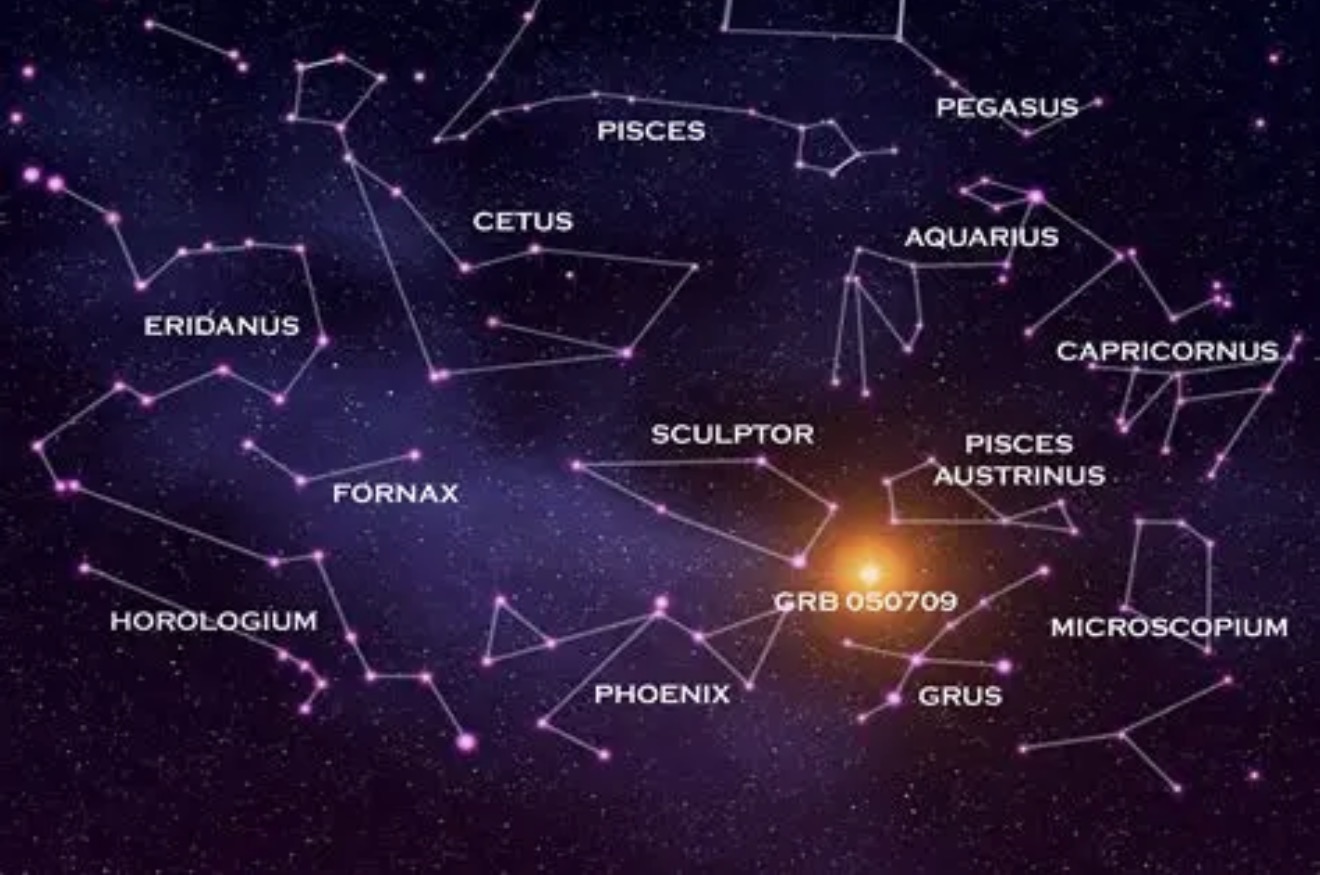
Observe the heavens, but do not bow down before them. The stars and planets were set as luminous signs for the nations of the world, so that they may admire creation. However, you are not governed by the heavenly bodies, but directly by the hand of Divine Providence.

“And lest you lift up your eyes to heaven, and when you see the sun, the moon, and the stars, all the host of heaven, you feel driven to worship them and serve them, which the Lord your G-d has allotted to all the peoples under the whole heaven.”

— Deuteronomy 4:19

Reflection on the Wisdom of Our Sages

Let us remember what the memories of our ancestors teach us about our father Abraham. He looked at the stars and thought that his astrological destiny prevented him from having offspring. But the Creator took him, elevated him above the celestial sphere, and said to him: “Look now toward heaven and count the stars… so shall your descendants be.” The Almighty altered the order of the stars to demonstrate that the faith of Israel transcends astrology. For this reason, we are forbidden from turning to diviners, soothsayers, or mediums. The final word on our life does not belong to the stars or to chance; it always belongs to the Creator.

3. The Reason for Our Distinction: The Exodus from Egypt

We did not receive the commandments through our own merit, but because He rescued us from suffering to be His treasured inheritance.

“But the Lord has taken you and brought you out of the iron furnace, out of Egypt, to be a people of His inheritance, as you are this day.”

— Deuteronomy 4:20

The Warning to Future Generations

1. Let your children beware of idolatry

Spiritual disconnection occurs when we become comfortable in abundance and forget the source of our blessings.

“Take care lest you forget the covenant of the Lord your G-d…”

— Deuteronomy 4:23

“When you father children and children’s children, and have grown old in the land, if you act corruptly by making a carved image in the form of anything…”

— Deuteronomy 4:25

2. The Eternal Witnesses

Heaven and earth endure; therefore I call them today as witnesses to this covenant. They are not inert elements, but active creations that sustain the order of the universe.

“I call heaven and earth to witness against you today, that you will soon utterly perish from the land that you are going over the Jordan to possess…”

— Deuteronomy 4:26

3. Dispersion and Return through Mercy

If you turn away, you will be scattered; yet Divine goodness is never exhausted if you choose to return with all your heart.

“And the Lord will scatter you among the peoples, and you will be left few in number among the nations… But if from there you seek the Lord your G-d, you will find Him, if you search after Him with all your heart and with all your soul.”

— Deuteronomy 4:27–31

Historical Evidence and the True G-d

1. Unmatched Signs and Wonders

No other people has heard the voice of G-d speaking out of the midst of the fire and lived to tell about it.

“Or has any god ever attempted to go and take for himself a nation from the midst of another nation, by trials, by signs, by wonders, and by war…?”

— Deuteronomy 4:33–35

2. The Absolute Certainty of His Oneness

This is the foundation of our entire existence.

“To you it was shown, that you might know that the Lord is G-d; there is no other besides Him… Know therefore today, and take it to heart, that the Lord is G-d in heaven above and on the earth beneath; there is no other.”

— Deuteronomy 4:35, 39

3. The Merit of the Patriarchs

The blessings you receive are rooted in the love that G-d had for our fathers. For this reason we constantly invoke Him as: “G-d of Abraham, G-d of Isaac, and G-d of Jacob” (Israel).

“And because He loved your fathers and chose their offspring after them, He brought you out of Egypt with His presence, by His great power.”

— Deuteronomy 4:37

Justice and Mercy: The Cities of Refuge

Even amidst the laws, the Almighty establishes avenues for the protection of human life.

“Then Moses set apart three cities east of the Jordan, toward the sunrise, that the manslayer might flee there, anyone who kills his neighbor unintentionally…”

— Deuteronomy 4:41–42

The Heart of the Covenant: The Shema and the Commandments

We reach the center of our faith. These words must be engraved upon your minds and upon those of your descendants.

1. The Decalogue and the Covenant of Love

“I am the Lord your G-d, who brought you out of the land of Egypt, out of the house of slavery. You shall have no other gods before Me…”

— Deuteronomy 5:6–21 (Encompassing the Sabbath, honoring parents, and community ethics).

2. The Shema Yisrael and Our Daily Mission

“Hear therefore, O Israel, and be careful to do them, that it may go well with you…”

— Deuteronomy 6:3

“Hear, O Israel: The Lord our G-d, the Lord is one.”

— Deuteronomy 6:4

“You shall love the Lord your G-d with all your heart and with all your soul and with all your might.”

— Deuteronomy 6:5

“And these words that I command you today shall be on your heart…”

— Deuteronomy 6:6

Preserving Our Identity in the Promised Land

When you enter the land, the temptation to assimilate into idolatry will be great. Preserving our holiness depends on the choices made within each family.

1. Preserving the Spiritual Home

“You shall not intermarry with them, giving your daughters to their sons or taking their daughters for your sons, for they would turn away your sons from following Me, to serve other gods…”

— Deuteronomy 7:3–4

2. Destroying Idolatry

“But thus shall you deal with them: you shall break down their altars and dash in pieces their pillars and chop down their Asherim and burn their carved images with fire.”

— Deuteronomy 7:5–6

3. Chosen by Love, Not by Might or Numbers

Never think you are superior due to numbers or physical power. The greatness of Israel lies in its spiritual connection.

“It was not because you were more in number than any other people that the Lord set His love on you and chose you, for you were the fewest of all peoples, but it is because the Lord loves you and is keeping the oath that He swore to your fathers…”

— Deuteronomy 7:7–8

Conclusion

Va’etchanan reminds us that faith is not merely inherited: it is taught. That love is not imposed: it is transmitted. And that the covenant is not just spoken: it is lived.

“We are not guided by stars, but by the voice of the Almighty.

We are chosen not for greatness, but through love.

Let us carry these words on our journey. May the Torah be a constant guide, and may the light of truth illuminate every one of our steps in the promised land.”

Echoes of the Covenant: Complementary Readings

  Psalm 19 — Creation as a witness to the divine glory.

  Exodus 19:1–8 — The covenant at Sinai, where the voice of the Almighty becomes living law.

  Jeremiah 31:1–25 — Eternal love and the promise of return.

These three readings reflect the same truth that Moses taught in Va’etchanan:

The greatness of the Creator is revealed in the word, not in the image; in mercy, not in power; in a love that is never extinguished.