Tehillim – Psalms 62-64

The Power of Thought and Speech

לֹא תֵלֵךְ רָכִיל בְּעַמֶּיךָ וגו’: (ויקרא יט:טז)
[G‑d instructed Moses to tell the Jewish people,] “You must not go around as a gossipmonger.”
 
According to the Talmud, gossip “kills” three people: the speaker, the listener, and the object of the gossip. That the speaker and listener deserve to be punished is understandable, but why should the person about whom they are gossiping suffer? The answer is that speaking about another person’s shortcomings does more than just belittle him. Words have the power to bring latent energy into actuality. When we speak about a person’s negative traits, it activates them and reinforces them. As a result, his behavior takes a turn for the worse and he thus incurs punishment (…)
 
To read the full artículo:

Tehillim – Psalms – Chapter 62 (4-5)

4 How long will you plan destruction to man? You shall be murdered, all of you, as a leaning wall, a tottering fence.   דעַד־אָ֚נָה | תְּהֽוֹתְת֣וּ עַל־אִישׁ֘ תְּרָצְּח֪וּ כֻ֫לְּכֶ֥ם כְּקִ֥יר נָט֑וּי גָּ֜דֵ֗ר הַדְּחוּיָֽה:
5 Only because of his loftiness have they plotted to topple him; they delight in lies; with his mouth they bless, but inwardly they curse forever.   האַ֚ךְ מִשְּׂאֵת֨וֹ | יָֽעֲצ֣וּ לְהַדִּיחַ֘ יִרְצ֪וּ כָ֫זָ֥ב בְּפִ֥יו יְבָרֵ֑כוּ וּ֜בְקִרְבָּ֗ם יְקַֽלְלוּ־סֶֽלָה:

Tehillim – Psalms – Chapter 62

1 For the conductor, on jeduthun, a song of David.   אלַֽמְנַצֵּ֥חַ עַל־יְדוּת֗וּן מִזְמ֥וֹר לְדָוִֽד:
2 Only to God does my soul hope for silently; from Him is my salvation.   באַ֣ךְ אֶל־אֱ֖לֹהִים דֽוּמִיָּ֣ה נַפְשִׁ֑י מִ֜מֶּ֗נּוּ יְשֽׁוּעָתִֽי:
3 Only He is my Rock and my salvation, my stronghold so that I shall not falter greatly.   גאַךְ־ה֣וּא צ֖וּרִי וִישֽׁוּעָתִ֑י מִ֜שְׂגַּבִּ֗י לֹֽא־אֶמּ֥וֹט רַבָּֽה:
4 How long will you plan destruction to man? You shall be murdered, all of you, as a leaning wall, a tottering fence.   דעַד־אָ֚נָה | תְּהֽוֹתְת֣וּ עַל־אִישׁ֘ תְּרָצְּח֪וּ כֻ֫לְּכֶ֥ם כְּקִ֥יר נָט֑וּי גָּ֜דֵ֗ר הַדְּחוּיָֽה:
5 Only because of his loftiness have they plotted to topple him; they delight in lies; with his mouth they bless, but inwardly they curse forever.   האַ֚ךְ מִשְּׂאֵת֨וֹ | יָֽעֲצ֣וּ לְהַדִּיחַ֘ יִרְצ֪וּ כָ֫זָ֥ב בְּפִ֥יו יְבָרֵ֑כוּ וּ֜בְקִרְבָּ֗ם יְקַֽלְלוּ־סֶֽלָה:
6 Only to God should you hope, my soul, for my hope is from Him.   ואַ֣ךְ לֵֽ֖אלֹהִים דֹּ֣מִּי נַפְשִׁ֑י כִּֽי־מִ֜מֶּ֗נּוּ תִּקְוָתִֽי:
7 Only He is my Rock and my salvation; my stronghold, I shall not falter.   זאַךְ־ה֣וּא צ֖וּרִי וִישֽׁוּעָתִ֑י מִ֜שְׂגַּבִּ֗י לֹ֣א אֶמּֽוֹט:
8 Upon God rests my salvation and my honor; [He is] the Rock of my strength, my shelter is in God.   חעַל־אֱ֖לֹהִים יִשְׁעִ֣י וּכְבוֹדִ֑י צוּר־עֻזִּ֥י מַ֜חְסִ֗י בֵּֽאלֹהִֽים:
9 Trust in Him at all times; people, pour out your hearts before Him. God is our shelter forever.   טבִּטְחוּ־ב֚וֹ בְכָל־עֵ֨ת | עָ֗ם שִׁפְכ֣וּ לְפָנָ֣יו לְבַבְכֶ֑ם אֱ֜לֹהִ֗ים מַֽחֲסֶה־לָּ֥נוּ סֶֽלָה:
10 The sons of men are but vanity, and men of distinction are deceitful; were they to be put on a scale, together they would equal vanity.   יאַ֚ךְ הֶ֥בֶל בְּנֵי־אָדָם֘ כָּזָ֪ב בְּנֵ֫י אִ֥ישׁ בְּמֹֽאזְנַ֥יִם לַֽעֲל֑וֹת הֵ֜֗מָּה מֵהֶ֥בֶל יָֽחַד:
11 Do not trust in oppression, and do not put vain hope in robbery; if wealth burgeons, pay it no heed.   יאאַל־תִּבְטְח֣וּ בְעֹשֶׁק֘ וּבְגָזֵ֪ל אַל־תֶּ֫הְבָּ֥לוּ חַ֚יִל | כִּֽי־יָנ֑וּב אַל־תָּשִׁ֥יתוּ לֵֽב:
12 God spoke one thing, I heard two, for God has strength.   יבאַחַ֚ת | דִּבֶּ֬ר אֱלֹהִ֗ים שְׁתַּֽיִם־ז֥וּ שָׁמָ֑עְתִּי כִּ֥י עֹ֜֗ז לֵֽאלֹהִֽים:
13And You, O Lord, have kindness, for You repay a man according to his deed.   יגוּלְךָ־אֲדֹנָ֥י חָ֑סֶד כִּֽי־אַתָּ֨ה תְשַׁלֵּ֖ם לְאִ֣ישׁ כְּמַֽעֲשֵֽׂהוּ:

Tehillim – Psalms – Chapter 63

1 A song of David when he was in the desert of Judah.   אמִזְמ֥וֹר לְדָוִ֑ד בִּ֜הְיוֹת֗וֹ בְּמִדְבַּ֥ר יְהוּדָֽה:
2 O God, You are my God, I seek You. My soul thirsts for You; my flesh longs for You, in an arid and thirsty land, without water.   באֱלֹהִ֚ים | אֵלִ֥י אַתָּ֗ה אֲשַֽׁחֲ֫רֶ֥ךָּ צָֽמְאָ֬ה לְךָ֨ | נַפְשִׁ֗י כָּמַ֣הּ לְךָ֣ בְשָׂרִ֑י בְּאֶֽרֶץ־צִיָּ֖ה וְעָיֵ֣ף בְּלִי־מָֽיִם:
3 As I saw You in the Sanctuary, [so do I long] to see Your strength and Your glory.   גכֵּן בַּקֹּ֣דֶשׁ חֲזִיתִ֑ךָ לִרְא֥וֹת עֻ֜זְּךָ֗ וּכְבוֹדֶֽךָ:
4 For Your kindness is better than life; my lips will praise You.   דכִּֽי־ט֣וֹב חַ֖סְדְּךָ מֵֽחַיִּ֗ים שְׂפָתַ֥י יְשַׁבְּחֽוּנְךָ:
5 Then I shall bless You in my lifetime; in Your name I shall lift my hands.   הכֵּן אֲבָֽרֶכְךָ֣ בְחַיָּ֑י בְּ֜שִׁמְךָ֗ אֶשָּׂ֥א כַפָּֽי:
6 [As] with choice foods and fat, my soul will be sated, when my mouth praises with expressions of song.   וכְּמ֚וֹ חֵ֣לֶב וָ֖דֶשֶׁן תִּשְׂבַּ֣ע נַפְשִׁ֑י וְשִׂפְתֵ֥י רְ֜נָנ֗וֹת יְהַלֶּל־פִּֽי:
7 When I remember You on my couch; in the watches I meditate about You.   זאִם־זְכַרְתִּ֥יךָ עַל־יְצוּעָ֑י בְּ֜אַשְׁמֻר֗וֹת אֶהְגֶּה־בָּֽךְ:
8 For You were my help, and in the shadow of Your wings I shall praise.   חכִּֽי־הָיִ֣יתָ עֶזְרָ֣תָה לִּ֑י וּבְצֵ֖ל כְּנָפֶ֣יךָ אֲרַנֵּֽן:
9 My soul has clung after You; Your right hand has supported me.   טדָּֽבְקָ֣ה נַפְשִׁ֣י אַֽחֲרֶ֑יךָ בִּ֜֗י תָּֽמְכָ֥ה יְמִינֶֽךָ:
10 But they seek my soul to make it desolate; may they come into the depths of the earth.   יוְהֵ֗מָּה לְ֖שׁוֹאָה יְבַקְשׁ֣וּ נַפְשִׁ֑י יָ֜בֹ֗אוּ בְּתַחְתִּיּ֥וֹת הָאָֽרֶץ:
11 May he be dragged by the sword; they will be the portion of foxes.   יאיַגִּירֻ֥הוּ עַל־יְדֵי־חָ֑רֶב מְנָ֖ת שֻֽׁעָלִ֣ים יִֽהְיֽוּ:
12And may the king rejoice with God; may all who swear by Him boast, for the mouth of those who speak lies will be closed.   יבוְהַמֶּלֶךְ֘ יִשְׂמַ֪ח בֵּֽאלֹ֫הִ֥ים יִ֖תְהַלֵּל כָּל־הַנִּשְׁבָּ֣ע בּ֑וֹ כִּ֥י יִ֜סָּכֵ֗ר פִּ֣י דּֽוֹבְרֵי־שָֽׁקֶר:

Tehillim – Psalms – Chapter 64(6-8)

6 They strengthen the evil word for themselves; they tell to hide snares. They say, “Who will see us?”   ויְחַזְּקוּ־לָ֨מוֹ | דָּבָ֨ר רָ֗ע יְ֖סַפְּרוּ לִטְמ֣וֹן מֽוֹקְשִׁ֑ים אָֽ֜מְר֗וּ מִ֣י יִרְאֶה־לָּֽמוֹ:
7 They seek pretexts; they have completed a diligent search, hidden within man and in the depths of the heart.   זיַֽחְפְּשׂ֥וּ עוֹלֹ֗ת תַּ֖מְּנוּ חֵ֣פֶשׂ מְחֻפָּ֑שׂ וְקֶ֥רֶב אִ֜֗ישׁ וְלֵ֣ב עָמֹֽק:
8 And God cast them down; their wounds were [like] a sudden arrow.   חוַיֹּרֵ֗ם אֱלֹ֫הִ֥ים חֵ֥ץ פִּתְא֑וֹם הָי֥וּ מַכּוֹתָֽם:

Tehillim – Psalms – Chapter 64

1 For the conductor, a song of David.   אלַֽמְנַצֵּ֗חַ מִזְמ֥וֹר לְדָוִֽד:
2 Hear, O God, my voice in my prayer; from fear of the enemy You shall guard my life.   בשְׁמַ֬ע אֱלֹהִ֣ים קוֹלִ֣י בְשִׂיחִ֑י מִפַּ֣חַד א֜וֹיֵ֗ב תִּצֹּ֥ר חַיָּֽי:
3 You shall hide me from the counsel of evildoers, from the gathering of workers of iniquity,   גתַּסְתִּירֵנִי מִסּ֣וֹד מְרֵעִ֑ים מֵֽ֜רִגְשַׁ֗ת פֹּ֣עֲלֵי אָֽוֶן:
 4 Who whetted their tongue like the sword; who aimed a bitter word like their arrow,   דאֲשֶׁ֚ר שָֽׁנְנ֣וּ כַחֶ֣רֶב לְשׁוֹנָ֑ם דָּֽרְכ֥וּ חִ֜צָּ֗ם דָּבָ֥ר מָֽר:
 5 To shoot at the innocent in secret places; they shoot at him suddenly and do not fear.   הלִירֹ֣ת בַּמִּסְתָּרִ֣ים תָּ֑ם פִּתְאֹ֥ם יֹ֜רֻ֗הוּ וְלֹ֣א יִירָֽאוּ:
 6 They strengthen the evil word for themselves; they tell to hide snares. They say, “Who will see us?”   ויְחַזְּקוּ־לָ֨מוֹ | דָּבָ֨ר רָ֗ע יְ֖סַפְּרוּ לִטְמ֣וֹן מֽוֹקְשִׁ֑ים אָֽ֜מְר֗וּ מִ֣י יִרְאֶה־לָּֽמוֹ:
 7 They seek pretexts; they have completed a diligent search, hidden within man and in the depths of the heart.   זיַֽחְפְּשׂ֥וּ עוֹלֹ֗ת תַּ֖מְּנוּ חֵ֣פֶשׂ מְחֻפָּ֑שׂ וְקֶ֥רֶב אִ֜֗ישׁ וְלֵ֣ב עָמֹֽק:
 8 And God cast them down; their wounds were [like] a sudden arrow.   חוַיֹּרֵ֗ם אֱלֹ֫הִ֥ים חֵ֥ץ פִּתְא֑וֹם הָי֥וּ מַכּוֹתָֽם:
 9 That which they hoped would make him stumble, their tongue brought upon them; all who see them will shake their heads.   טוַיַּכְשִׁילֻ֣הוּ עָלֵ֣ימוֹ לְשׁוֹנָ֑ם יִ֜תְנֽוֹדְד֗וּ כָּל־רֹ֥אֵה בָֽם:
 10 Then all men feared, and they declared the work of God and understood His deed.   יוַיִּֽירְא֗וּ כָּל־אָ֫דָ֥ם וַ֖יַּגִּידוּ פֹּ֣עַל אֱלֹהִ֑ים וּמַֽעֲשֵׂ֥הוּ הִשְׂכִּֽילוּ:
11 The righteous will rejoice with God and take shelter in Him, and all upright of heart will boast.   יאיִשְׂמַ֬ח צַדִּ֣יק בַּֽ֖יהֹוָה וְחָ֣סָה ב֑וֹ וְ֜יִֽתְהַֽלְל֗וּ כָּל־יִשְׁרֵי־לֵֽב:

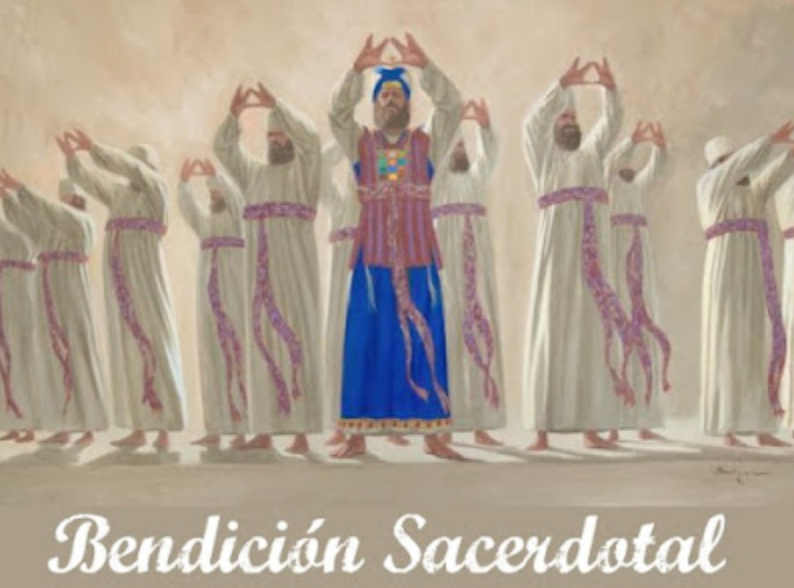
The Blessing of Love / La Bendición del Amor

Una hermosa bendición que se vuelve  personales.

Números 6 (24-26)

“Que el Señor te bendiga y te cuide.
Que el Señor haga resplandecer Su rostro sobre ti y tenga de ti misericordia.
Que el Señor alce Su rostro hacia ti y te conceda la paz”.

La primera línea, “Que Di-s te bendiga y te guarde”,  sobrepasa las  bendiciones materiales como el sustento, salud física, riquezas, etc. Di-s, el Eterno, no solo es la fuente de todas las bendiciones, sino que Su presencia es lo único que nos dará una perfecta satisfacción, complacencia de todo lo que Él a permitido que logremos en esta vida. Lo necesitamos a ÉL.

El segundo, “Que Di-s haga brillar Su rostro sobre ti y sea misericordioso contigo”, se refiere a la bendición interpersonal de la gracia entre nosotros y los demás. 

La tercera línea es la más profunda de todas: “Que Di-s vuelva Su rostro hacia ti y te conceda la paz”.

Hay más de siete mil millones de personas en la tierra. ¿Qué nos convierte en algo más que un rostro en la multitud, una ola en el océano, un grano de arena en la orilla del mar? El hecho de que somos hijos de Di-s. Él es nuestro padre. Él vuelve Su rostro hacia nosotros. A Él le importa.

Este conocimiento nos da una profunda sensación de paz interior. No necesitamos probarnos a nosotros mismos para recibir una bendición de Di-s. Todo lo que necesitamos saber es que Su rostro está vuelto hacia nosotros. Di-s nos ve, nos escucha, nos sostiene en Sus brazos de Amor.

VERSOS DE LA TORA – BIBLIA RELACIONADOS.

“guardar los mandamientos” (Exo 20:6). La obediencia es la que abre la puerta a las bendiciones (Deu. 4:40; Deu. 12:28).

(Los Salmos 3:3) Mas tú, Elohim, eres escudo alrededor de mí; Mi gloria, y el que levanta mi cabeza.

(Salmo 27:8-11)  Mi corazón ha dicho de ti: Buscad Mi rostro. Tu rostro buscaré,  oh Señor; No escondas Tu rostro de mí. No apartes con ira a tu siervo; Mi ayuda has sido. No me dejes ni me desampares, Dios de mi salvación. Aunque mi padre y mi madre me dejaran, con todo, el Señor me recogerá.  Enséñame, oh Señor, Tu camino, y guíame por senda de rectitud a causa de mis enemigos.

(Exodo 34:29) … al descender del monte, Moisés no sabía que la piel de su rostro resplandecía por haber hablado con Dios.

(Salmo 119:135)  Haz resplandecer Tu rostro sobre tu siervo, y enséñame tus estatutos.
(Salmo 4:7)  Muchos dicen: ¿Quién nos mostrará el bien? ¡Alza, oh SEÑOR, sobre nosotros la luz de Tu rostro!

(Salmo 67:1-2)  Dios tenga piedad de nosotros y nos bendiga, y haga resplandecer Su rostro sobre nosotros; para que sea conocido en la tierra tu camino, entre todas las naciones tu salvación.

(Jeremias 17:7-8) Bendito el hombre que confía en el Señor y pone su confianza en Él.
Será como un árbol plantado junto al agua, que extiende sus raíces hacia la corriente; no teme que llegue el calor, y sus hojas están siempre verdes. En época de sequía no se angustia, y nunca deja de dar fruto.

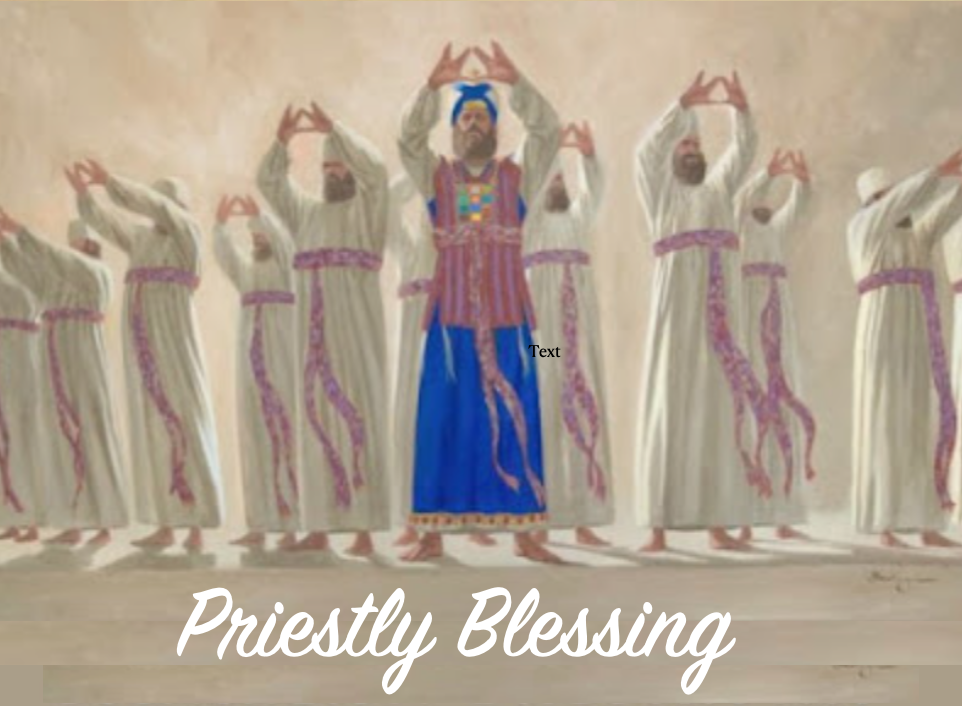
The Blessing Love

This beautiful blessing becomes more and more personal.

Numbers 6

24 “May the Lord bless you and watch over you.   כדיְבָֽרֶכְךָ֥ יְהוָֹ֖ה וְיִשְׁמְרֶֽךָ:
25 May the Lord cause His countenance to shine to you and favor you.   כהיָאֵ֨ר יְהוָֹ֧ה | פָּנָ֛יו אֵלֶ֖יךָ וִֽיחֻנֶּֽךָּ:
26 May the Lord raise His countenance toward you and grant you peace.”   כויִשָּׂ֨א יְהוָֹ֤ה | פָּנָיו֙ אֵלֶ֔יךָ וְיָשֵׂ֥ם לְךָ֖ שָׁלֽוֹם:

The first line, “May G‑d bless you and keep you,” goes beyond material blessings such as sustenance, physical health, wealth, etc. G‑d, the Eternal, is not only the source of all blessings, but his presence is the only thing that will give us perfect satisfaction, fulfillment of all that He has allowed us to achieve in this life. We need HIM.

The second, “May G‑d make his face shine upon you and be merciful to you,” refers to the interpersonal blessing of grace between us and others.

The third line is the most profound of all: “May G‑d turn his face toward you and grant you peace.”

There are seven billion people on earth. What makes us more than a face in the crowd, a wave in the ocean, a grain of sand on the seashore? The fact that we are children of God. He is our father. He turns his face towards us. He cares.

This knowledge gives us a deep sense of inner peace. We do not need to prove ourselves to receive a blessing from G-d. All we need to know is that his face is turned towards us. Gd sees us, hears us, holds us in his everlasting arms.

Versos de la Torah

Torah Verses

“keep the commandments” (Exodus 20:6). Obedience is what opens the door to blessings (Deut. 4:40; Deut. 12:28).

Psalms 3

4 But You, O Lord, are a shield about me, my glory and He Who raises up my head.   דוְאַתָּ֣ה יְ֖הֹוָה מָגֵ֣ן בַּֽעֲדִ֑י כְּ֜בוֹדִ֗י וּמֵרִ֥ים רֹאשִֽׁי:

Psalms 27

8 On Your behalf, my heart says, “Seek My presence.” Your presence, O Lord, I will seek.   חלְךָ֚ | אָמַ֣ר לִ֖בִּי בַּקְּשׁ֣וּ פָנָ֑י אֶת־פָּנֶ֖יךָ יְהֹוָ֣ה אֲבַקֵּֽשׁ:
9 Do not hide Your presence from me; do not turn Your servant away with anger. You were my help; do not forsake me and do not abandon me, O God of my salvation.   טאַל־תַּסְתֵּ֬ר פָּנֶ֨יךָ | מִמֶּנִּי֘ אַל־תַּט בְּאַ֗ף עַ֫בְדֶּ֥ךָ עֶזְרָתִ֥י הָיִ֑יתָ אַל־תִּטְּשֵׁ֥נִי וְאַל־תַּֽ֜עַזְבֵ֗נִי אֱלֹהֵ֥י יִשְׁעִֽי:
10 For my father and my mother have forsaken me, but the Lord gathers me in.   יכִּֽי־אָבִ֣י וְאִמִּ֣י עֲזָב֑וּנִי וַֽ֜יהֹוָה יַֽאַסְפֵֽנִי:
11 Instruct me, O Lord, in Your way, and lead me in the straight path because of those who lie in wait for me.   יאה֚וֹרֵ֥נִי יְהֹוָ֗ה דַּ֫רְכֶּ֥ךָ וּ֖נְחֵנִי בְּאֹ֣רַח מִישׁ֑וֹר לְ֜מַ֗עַן שֽׁוֹרְרָֽי:

Psalms 119

35 Cause Your countenance to shine upon Your servant and teach me Your statutes.   קלהפָּנֶ֣יךָ הָ֖אֵר בְּעַבְדֶּ֑ךָ וְ֜לַמְּדֵ֗נִי אֶת־חֻקֶּֽיךָ:

Psalms 4

7 Many say, “Who will show us goodness?” Raise up over us the light of Your countenance, O Lord.   זרַבִּ֥ים אֹֽמְרִים֘ מִֽי־יַרְאֵ֪נוּ֫ ט֥וֹב נְסָה־עָלֵ֑ינוּ א֖וֹר פָּנֶ֣יךָ יְהֹוָֽה:

Psalms 64

2 God will be gracious to us and bless us; He will cause His countenance to shine with us forever.   באֱלֹהִ֗ים יְחָנֵּ֥נוּ וִֽיבָֽרְכֵ֑נוּ יָ֚אֵ֥ר פָּנָ֖יו אִתָּ֣נוּ סֶֽלָה:
3 That Your way should be known on earth, Your salvation among all nations.   גלָדַ֣עַת בָּאָ֣רֶץ דַּרְכֶּ֑ךָ בְּכָל־גּ֜וֹיִ֗ם יְשֽׁוּעָתֶֽךָ:

Jeremiah 17

7 Blessed is the man who trusts in the Lord; the Lord shall be his trust.   זבָּר֣וּךְ הַגֶּ֔בֶר אֲשֶׁ֥ר יִבְטַ֖ח בַּֽיהֹוָ֑ה וְהָיָ֥ה יְהֹוָ֖ה מִבְטַחֽוֹ:
8 For he shall be like a tree planted by the water, and by a rivulet spreads its roots, and will not see when heat comes, and its leaves shall be green, and in the year of drought will not be anxious, neither shall it cease from bearing fruit.   חוְהָיָ֞ה כְּעֵ֣ץ | שָׁת֣וּל עַל־מַ֗יִם וְעַל־יוּבַל֙ יְשַׁלַּ֣ח שָֽׁרָשָׁ֔יו וְלֹ֚א יִרְאֶה֙ (כתיב יִרְאֶ֙) כִּֽי־יָבֹ֣א חֹ֔ם וְהָיָ֥ה עָלֵ֖הוּ רַֽעֲנָ֑ן וּבִשְׁנַ֚ת בַּצֹּ֙רֶת֙ לֹ֣א יִדְאָ֔ג וְלֹ֥א יָמִ֖ישׁ מֵֽעֲשׂ֥וֹת פֶּֽרִי:

ARTICLE

More than mere expressions of gratitude, blessings are portals to other spiritual realms.

Blessings are a portal to the Infinite. They are the utterances and sentiments shared by us and our ancestors for thousands of years.

In the Torah, blessings are seen as a conduit for spiritual and physical potential. God blesses Adam and Eve to fill the world, Abraham is called a blessing for all his descendants, Jacob steals the first-born blessing and alters his future, the high priests bless the nation with an ever-expanding relationship with peace (…)

To read the full article:

The Power of Jewish Blessings


El Poder de las Bendiciones Judías

Más que meras expresiones de gratitud, las bendiciones son portales a otros reinos espirituales.

Las bendiciones son un portal al Infinito. Son las declaraciones y sentimientos compartidos por nosotros y nuestros antepasados ​​durante miles de años.

En la Torá, las bendiciones se ven como un conducto para el potencial espiritual y físico. Dios bendice a Adán y Eva para llenar el mundo, Abraham es llamado bendición para toda su descendencia, Jacob roba la bendición del primogénito y altera su futuro, los sumos sacerdotes bendicen a la nación con una relación cada vez más amplia con la paz. La lista sigue y sigue.

De hecho, el Talmud (Ta’anit 8b) enseña: “Una bendición se encuentra solo en un objeto que está oculto [samui] del ojo”, lo que sugiere que el poder de las bendiciones se encuentra en lo que no se ve, en meta- realidad detrás de lo que es fácilmente observable.

La palabra hebrea para bendición, braja, comparte las mismas letras que la palabra estanque (b’raycha), lo que sugiere que cuando uno ofrece una bendición, en realidad estamos reuniendo energía y abriendo una fuente de vida. También comparte una raíz con la palabra para arrodillarse (nivrachah), insinuando que las bendiciones nos ayudan a apoyarnos en lo que estamos bendiciendo, enfocando nuestra gravedad en un lugar para que podamos reunir nuestra energía para lo que ha llegado y lo que está por venir.
Las melodías y los ritmos de las bendiciones judías han servido como aglutinante cultural para la práctica diaria Judía durante miles de años. Hay bendiciones sobre la comida y la bebida, al salir del baño, antes de ir a dormir y durante los eventos del ciclo de vida. Los Judíos que rezan tres veces al día recitan docenas de bendiciones.

El Talmud (Menachot 43b) establece que cada persona está obligada a recitar 100 bendiciones cada día, sugiriendo que la forma de vivir conectado con lo Divino es vivir una vida inmersa en bendiciones, en gratitud. Esto es tan importante para la tradición Judía que los sabios escribieron (Berajot 35a) que está prohibido beneficiarse del mundo sin hacer una bendición. Se podría decir que el valor que se le da a las bendiciones es fundamental para toda la vida Judía.
Y, sin embargo, con la condición humana que tiende al olvido, es fácil que la recitación de bendiciones se vuelva rutinaria. Entonces, ¿cómo podemos hacer que las bendiciones sean transformadoras en lugar de transaccionales? Una idea es tomar tres segundos antes de hacer una bendición para meditar en nuestra propia voz dentro de la bendición, para encontrar dentro de ella lo que es significativo para nosotros, en esencia, para convertirse en la bendición.

La festividad de Tu Bishvat es un momento en el que este tipo de conciencia espiritual en torno a las bendiciones se vuelve mucho más accesible. El seder de Tu Bishvat, una práctica mística que todavía se observa hoy, está repleto de bendiciones para el año nuevo Judío de los árboles, una época en la que damos muchas bendiciones a las creaciones divinas del mundo y nos conectamos con el destino de los árboles, la comida y la naturaleza en nuestras vidas.

El seder se originó en Tzfat, en el norte de Israel, en una montaña de místicos que suspiraban por profundizar e innovar la forma en que abordamos las bendiciones y la oración. Tiene sentido que recopilen una serie de bendiciones que reflejen el potencial espiritual desbloqueado de las vides, los árboles, las frutas y las plantas.
Dado el énfasis de la festividad en el poder de las bendiciones, es apropiado cerrar con una bendición:

Que sea la voluntad del Universo que podamos aprovechar la oportunidad de contemplar el poder y el propósito de las bendiciones Judías y el papel que juega nuestra voz dentro de la bendición misma, mejorando nuestra capacidad de concentración mientras liberamos el potencial desconocido de lo que es. dentro y alrededor de nosotros.