
Parashat Ekev

De la prueba a la abundancia – El arte de no olvidar

Hay momentos en la vida en que nos encontramos justo en el borde: hemos atravesado desiertos, superado batallas y, finalmente, estamos a punto de cruzar hacia la promesa. Es aquí donde el Eterno nos habla al corazón con una advertencia vital: el verdadero desafío no es solo sobrevivir a la carencia, sino sostener la integridad en medio de la prosperidad.

1. El pacto de la gracia y la memoria del milagro

El Eterno nos promete guardar Su pacto y otorgarnos Su gracia. Sin embargo, nos recuerda: no caigas en la tentación de servir a otros dioses, “esos falsos refugios modernos como el ego, la autosuficiencia o el materialismo desmedido”

Cuando el miedo al futuro o a los adversarios intente paralizarte, recuerda:

«Te acordarás bien de lo que hizo el Eterno tu Di-s al faraón y a todo su ejército. Te acordarás de las grandes pruebas que vieron tus ojos, de las señales y los prodigios con que te liberó con mano fuerte y brazo extendido.»

Él disipará tus obstáculos gradualmente, sumiendo la confusión en aquello que te combate, hasta que prevalezcas. Pero hay un mandato claro: destruye toda imagen esculpida en tu vida, sin importar si es de oro o de plata. No metas ídolos ni falsas seguridades en tu casa, porque degradan el alma.

2. La pedagogía del desierto: No solo de pan vive el hombre

Durante nuestro caminar por los eriales de la vida, el Eterno nos hace recorrer senderos difíciles para ponernos a prueba y revelar qué hay en nuestro corazón.

En el desierto no faltó el sustento del cielo, para enseñarnos una verdad eterna: no solo de pan vive el hombre, sino de todo lo que sale de la boca del Eterno. Te vistió, te protegió y no permitó que enfermaras. Como un padre disciplina y guía a su hijo, así te ha instruido el Eterno. Por lo tanto, guarda Sus caminos y vive en Su reverencia.

3. El peligro de la abundancia: «Por mi fuerza he logrado esto»

Ahora que el Eterno te encamina hacia una tierra buena y fértil, cuando hayas comido, te hayas saciado y disfrutes de buenas casas, abundancia y bendición, ten sumo cuidado de no olvidar:

 No permitas que el bienestar ensoberbezca tu corazón.

 No olvides que te libró de la casa de servidumbre y te condujo por el desierto grande y terrible, plagado de víboras ardientes y escorpiones, un erial sin agua.

 Recuerda que Él extrajo agua de la roca dura y te alimentó en la humillación para tu bien futuro.

Guárdate de decir en tu corazón: «Por mi fuerza y el poder de mi mano he logrado esta riqueza». Al contrario: recuerda que es Él quien te da el poder para hacer las riquezas.

4. La deconstrucción del orgullo y el llamado a la rectitud

Si ves caer las barreras ante ti, no digas: «Por mi rectitud el Eterno me ha traído hasta aquí». La bendición no es una medalla a nuestro mérito propio, sino el cumplimiento de una promesa y la manifestación de Su justicia en el mundo.

¿Qué requiere el Eterno de ti en el día a día?

 Que le temas y sigas Sus caminos.

 Que le ames y le sirvas con todo tu corazón y con toda tu alma.

 Que circuncides el prepucio de tu corazón y dejes la obstinación.

Él es el Di-s de dioses, grande y poderoso, que no hace acepción de personas ni admite sobornos. Él hace justicia al huérfano y a la viuda, y ama al forastero dándole pan y vestido. Por lo tanto, ama también tú al extranjero, porque extranjeros fuimos en la tierra de Egipto.

5. Grabar la palabra en el alma y en el hogar

Si amas al Eterno y guardas Sus leyes, la bendición fluirá de manera natural: habrá lluvia a su tiempo, la temprana y la tardía, y la tierra dará su fruto. Pero cuida que tu corazón no se descarríe hacia falsas devociones.

Por eso, la enseñanza debe ser un hábito vivo y continuo:

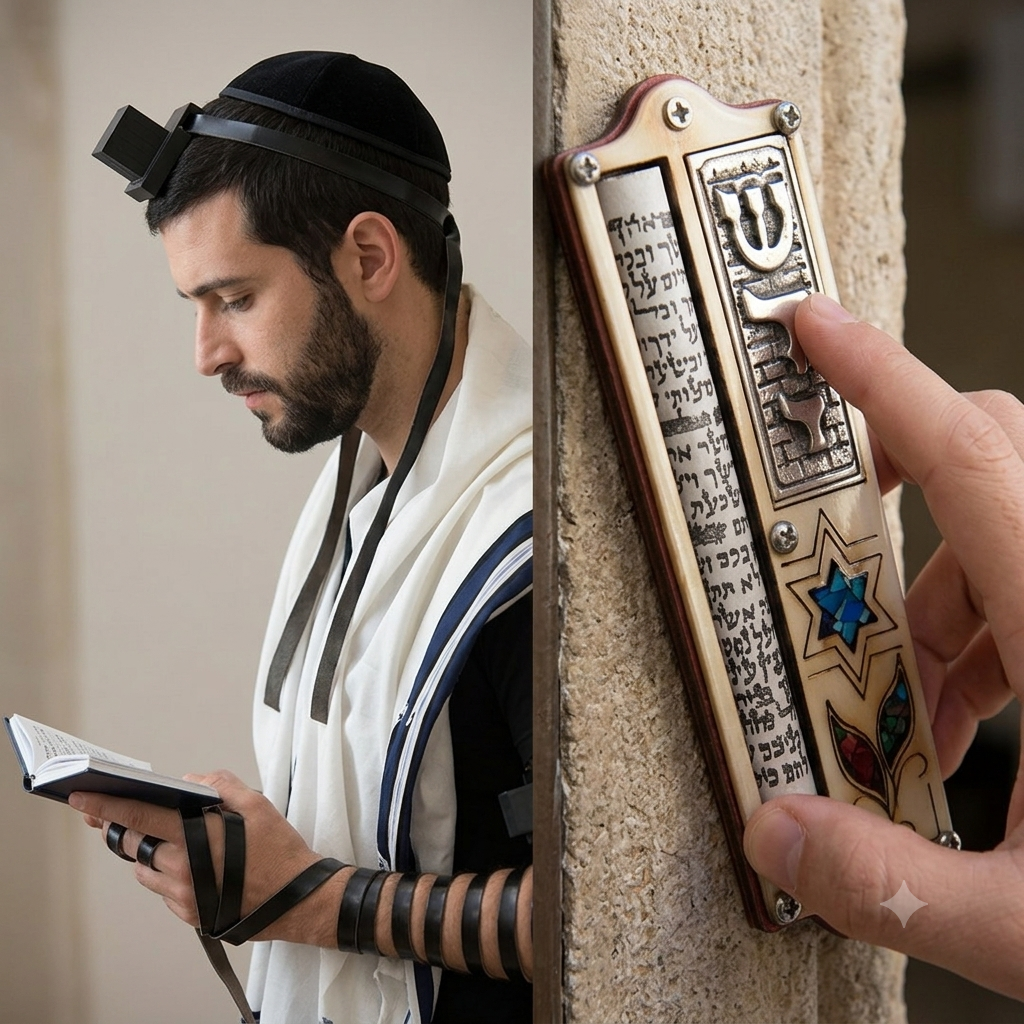
«Pondréis estas palabras en vuestro corazón y en vuestra alma; las ataréis por señal en vuestra mano y por frontales entre vuestros ojos. Las enseñaréis a vuestros hijos al estar en casa, al andar por el camino, al acostaros y al levantaros; y las escribirás sobre las jambas de tu casa y en tus portales.»

Reflexión final

Si guardas escrupulosamente esta conciencia moral, caminando en Su sendero y apegándote a Él, no habrá obstáculo que pueda sostenerse frente a ti. Todo lugar que pisare la planta de tus pies será bendecido, porque el Eterno marcha delante de ti.

La prosperidad verdadera no es la ausencia de retos, sino la presencia constante de la memoria, la humildad y el amor en cada paso que damos.
Apéndice Bíblico: Pasajes Clave y sus Paralelos en el Tanaj

Una guía de lectura para profundizar en los textos de Parashat Ekev (Deuteronomio 7:12 – 11:25) a través de sus ecos en el resto de las Escrituras:

1. Escucha, guarda sus preceptos, Él te ama y te multiplica

Deuteronomio 7:12–16: La promesa de bendición, amor y multiplicación para quien guarda el pacto con fidelidad.

2. No temas a tus enemigos: Recuerda la liberación.

Deuteronomio 7:17–24: La llamada a no acobardarse ante los desafíos, recordando las grandes señales con las que el Eterno liberó a Su pueblo..

3. La pedagogía del tiempo: Victoria gradual

Deuteronomio 7:22: «Y el Eterno tu Dios arrojará a estas naciones de delante de ti poco a poco…»

 Pasaje Paralelo — Éxodo 23:29–30: «No los arrojaré de delante de ti en un año… Poco a poco los echaré de delante de ti, hasta que te multipliques y tomes posesión de la tierra.»

4. Cuídate de la idolatría

Deuteronomio 7:25–26: La advertencia de no llevar abominaciones ni ídolos al hogar, guardando la pureza de la casa.

5. La memoria del desierto y el sustento del cielo.

Deuteronomio 8:2–20: «Te acordarás de todo el camino por donde te ha traído el Eterno tu Di-s estos cuarenta años en el desierto…»

 Pasajes Paralelos:

 Nehemías 9:21: «Los sustentaste cuarenta años en el desierto; de nada tuvieron necesidad; sus vestidos no se envejecieron, ni se hincharon sus pies.»

 Salmos 78:24–25: «E hizo llover sobre ellos maná para comer… Pan de nobles comió el hombre.»

6. ¿Quién da la capacidad de generar riquezas?

Deuteronomio 8:18: «Sino acuérdate del Eterno tu Dios, porque Él te da poder para hacer las riquezas…»

 Pasaje Paralelo — 1 Crónicas 29:12: «Las riquezas y la gloria proceden de ti, y tú dominas sobre todo; en tu mano está la fuerza y el poder, y en tu mano el hacer grande y el dar poder a todos.»

7. Cruzar a la tierra buena

Deuteronomio 9:1–7: La transición hacia la Promesa y el llamado constante a mantener la humildad.

8. ¿Por qué el Eterno desplaza a las naciones?

Deuteronomio 9:4–5: La aclaración decisiva: no por el mérito ni la rectitud propia, sino por la fidelidad al pacto con Abraham, Isaac y Jacob.

9. La intercesión de Moisés y la misión de Leví

Deuteronomio 9:25–26 / 10:8–9: La súplica de un líder que se pone en la brecha y la consagración de la tribu de Leví al servicio espiritual sin herencia terrenal.

 Pasajes Paralelos:

 Salmos 106:23: «Y dijo que los habría destruido, de no haberse puesto Moisés su escogido en la brecha delante de él, a fin de apartar su furor…»

 Lamentaciones 3:22–23: «Por la misericordia del Eterno no hemos sido consumidos, porque nunca decayeron sus misericordias. Nuevas son cada mañana; grande es tu fidelidad.»

10. La dimensión cósmica de Di-s

Deuteronomio 10:14: «He aquí, del Eterno tu Di-s son los cielos, y los cielos de los cielos, la tierra y todo lo que hay en ella.»

 Pasaje Paralelo

 Salmos 24:1: «Del Eterno es la tierra y su plenitud; el mundo, y los que en él habitan.»

11. ¿Qué requiere el Eterno de ti? La tríada de la justicia

Deuteronomio 10:12–22: El llamado a temer, amar y servir a Di-s, haciendo justicia a la viuda, al huérfano y amando al extranjero.

 Pasajes Paralelos:

 Miqueas 6:8: «Oh hombre, él te ha declarado lo que es bueno, y qué pide el Eterno de ti: solamente hacer justicia, y amar misericordia, y humillarte ante tu Di-s.»

 Éxodo 22:21–22: «Al extranjero no engañarás ni angustiarás… A ninguna viuda ni huérfano afligiréis.»

 Jeremías 22:3: «Haced juicio y justicia, y librad al oprimido… no hagáis mal ni violencia al extranjero, al huérfano ni a la viuda.»

12. La Mezuzá: Memoria viva en las puertas

Deuteronomio 11:13–21: Colocar las palabras en el corazón, en la mano, entre los ojos y en los umbrales de la casa.

 Pasaje Paralelo:

  Proverbios 3:3

«Nunca se aparten de ti la misericordia y la verdad; átalas a tu cuello, escríbelas en la tabla de tu corazón; y hallarás gracia y buena opinión ante los ojos de Di-s y de los hombres.»



VA’ETCHANAN – The Greatness and Love of the Creator

On the Plains of Moab

On the plains of Moab, Moses addresses a generation that did not know Egypt, yet will inherit its memory.

Va’etchanan is his spiritual testament.

Moses recalls the commandments and teaches how to live them with love.

This parashah is the heart of the covenant, where law becomes relationship, and obedience becomes love.

The Plea of Moses

“O Lord G-d, You have begun to show Your servant Your greatness and Your mighty hand; for what G-d is there in heaven or on earth who can do according to Your works and according to Your might?”

— Deuteronomy 3:24

Moses does not ask for power; he asks for understanding. His prayer paves the way for a generation that must learn to see G-d not in the stars, but in history.

The Distinction: Laws, Precepts, and Statutes

You must understand the essence of what the Creator has bestowed upon us:

Laws and Precepts (Mishpatim): Social and moral rules whose logic is evident to human reason, such as not stealing or acting with justice.

Statutes (Chukim): Divine decrees that transcend our intellectual understanding, given as a direct bond of faithfulness between the King and His people.

1. Take Care Not to Make Carved Images (Israel)

We do not worship the visible, nor do we reduce the Infinite to a form of stone or metal.

“…lest you act corruptly and make for yourselves a carved image in the form of any figure, the likeness of male or female, the likeness of any animal that is on the earth, the likeness of any winged bird that flies in the air…”

— Deuteronomy 4:16–18

2. The Heavenly Bodies and Their Role for Other Peoples

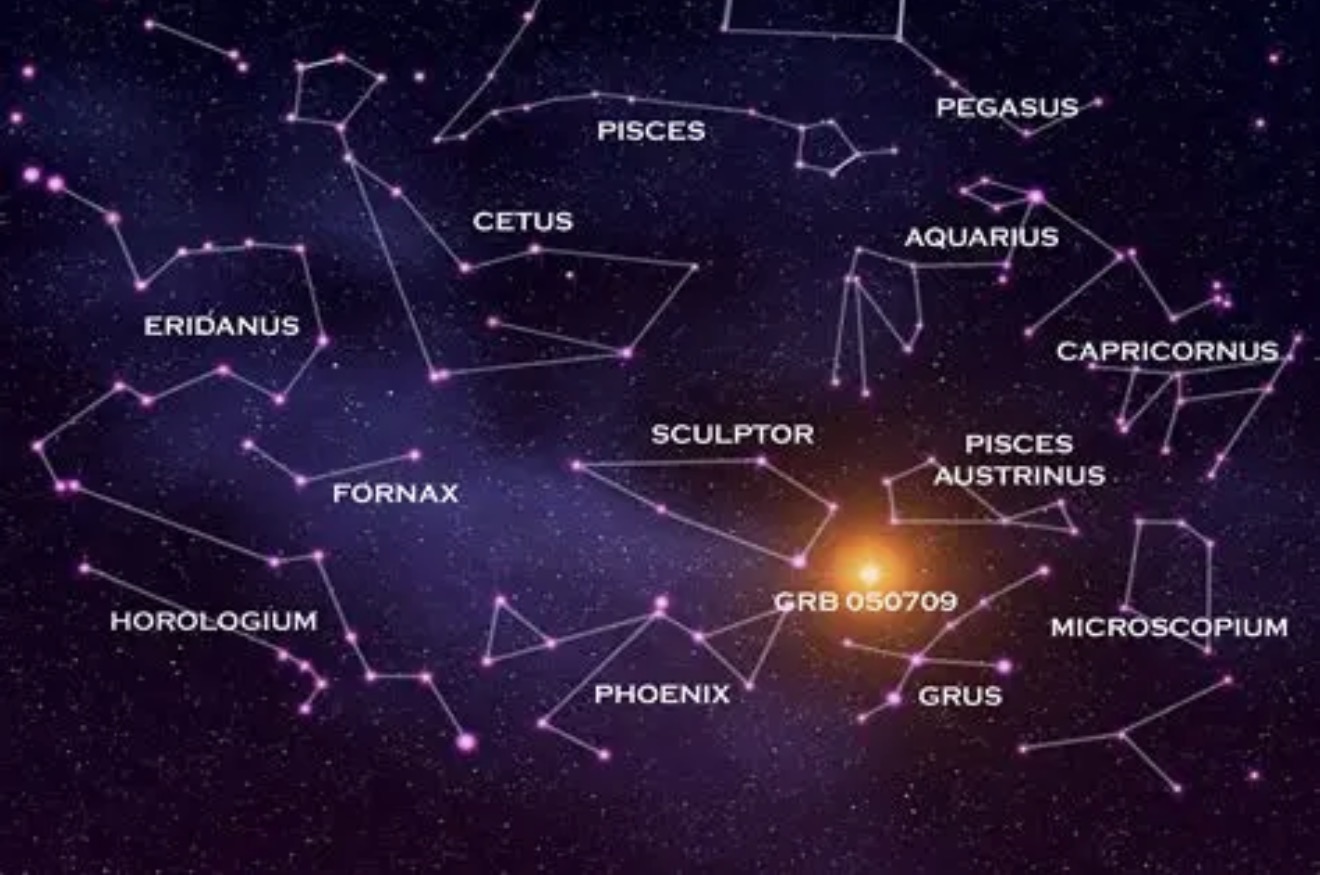
Observe the heavens, but do not bow down before them. The stars and planets were set as luminous signs for the nations of the world, so that they may admire creation. However, you are not governed by the heavenly bodies, but directly by the hand of Divine Providence.

“And lest you lift up your eyes to heaven, and when you see the sun, the moon, and the stars, all the host of heaven, you feel driven to worship them and serve them, which the Lord your G-d has allotted to all the peoples under the whole heaven.”

— Deuteronomy 4:19

Reflection on the Wisdom of Our Sages

Let us remember what the memories of our ancestors teach us about our father Abraham. He looked at the stars and thought that his astrological destiny prevented him from having offspring. But the Creator took him, elevated him above the celestial sphere, and said to him: “Look now toward heaven and count the stars… so shall your descendants be.” The Almighty altered the order of the stars to demonstrate that the faith of Israel transcends astrology. For this reason, we are forbidden from turning to diviners, soothsayers, or mediums. The final word on our life does not belong to the stars or to chance; it always belongs to the Creator.

3. The Reason for Our Distinction: The Exodus from Egypt

We did not receive the commandments through our own merit, but because He rescued us from suffering to be His treasured inheritance.

“But the Lord has taken you and brought you out of the iron furnace, out of Egypt, to be a people of His inheritance, as you are this day.”

— Deuteronomy 4:20

The Warning to Future Generations

1. Let your children beware of idolatry

Spiritual disconnection occurs when we become comfortable in abundance and forget the source of our blessings.

“Take care lest you forget the covenant of the Lord your G-d…”

— Deuteronomy 4:23

“When you father children and children’s children, and have grown old in the land, if you act corruptly by making a carved image in the form of anything…”

— Deuteronomy 4:25

2. The Eternal Witnesses

Heaven and earth endure; therefore I call them today as witnesses to this covenant. They are not inert elements, but active creations that sustain the order of the universe.

“I call heaven and earth to witness against you today, that you will soon utterly perish from the land that you are going over the Jordan to possess…”

— Deuteronomy 4:26

3. Dispersion and Return through Mercy

If you turn away, you will be scattered; yet Divine goodness is never exhausted if you choose to return with all your heart.

“And the Lord will scatter you among the peoples, and you will be left few in number among the nations… But if from there you seek the Lord your G-d, you will find Him, if you search after Him with all your heart and with all your soul.”

— Deuteronomy 4:27–31

Historical Evidence and the True G-d

1. Unmatched Signs and Wonders

No other people has heard the voice of G-d speaking out of the midst of the fire and lived to tell about it.

“Or has any god ever attempted to go and take for himself a nation from the midst of another nation, by trials, by signs, by wonders, and by war…?”

— Deuteronomy 4:33–35

2. The Absolute Certainty of His Oneness

This is the foundation of our entire existence.

“To you it was shown, that you might know that the Lord is G-d; there is no other besides Him… Know therefore today, and take it to heart, that the Lord is G-d in heaven above and on the earth beneath; there is no other.”

— Deuteronomy 4:35, 39

3. The Merit of the Patriarchs

The blessings you receive are rooted in the love that G-d had for our fathers. For this reason we constantly invoke Him as: “G-d of Abraham, G-d of Isaac, and G-d of Jacob” (Israel).

“And because He loved your fathers and chose their offspring after them, He brought you out of Egypt with His presence, by His great power.”

— Deuteronomy 4:37

Justice and Mercy: The Cities of Refuge

Even amidst the laws, the Almighty establishes avenues for the protection of human life.

“Then Moses set apart three cities east of the Jordan, toward the sunrise, that the manslayer might flee there, anyone who kills his neighbor unintentionally…”

— Deuteronomy 4:41–42

The Heart of the Covenant: The Shema and the Commandments

We reach the center of our faith. These words must be engraved upon your minds and upon those of your descendants.

1. The Decalogue and the Covenant of Love

“I am the Lord your G-d, who brought you out of the land of Egypt, out of the house of slavery. You shall have no other gods before Me…”

— Deuteronomy 5:6–21 (Encompassing the Sabbath, honoring parents, and community ethics).

2. The Shema Yisrael and Our Daily Mission

“Hear therefore, O Israel, and be careful to do them, that it may go well with you…”

— Deuteronomy 6:3

“Hear, O Israel: The Lord our G-d, the Lord is one.”

— Deuteronomy 6:4

“You shall love the Lord your G-d with all your heart and with all your soul and with all your might.”

— Deuteronomy 6:5

“And these words that I command you today shall be on your heart…”

— Deuteronomy 6:6

Preserving Our Identity in the Promised Land

When you enter the land, the temptation to assimilate into idolatry will be great. Preserving our holiness depends on the choices made within each family.

1. Preserving the Spiritual Home

“You shall not intermarry with them, giving your daughters to their sons or taking their daughters for your sons, for they would turn away your sons from following Me, to serve other gods…”

— Deuteronomy 7:3–4

2. Destroying Idolatry

“But thus shall you deal with them: you shall break down their altars and dash in pieces their pillars and chop down their Asherim and burn their carved images with fire.”

— Deuteronomy 7:5–6

3. Chosen by Love, Not by Might or Numbers

Never think you are superior due to numbers or physical power. The greatness of Israel lies in its spiritual connection.

“It was not because you were more in number than any other people that the Lord set His love on you and chose you, for you were the fewest of all peoples, but it is because the Lord loves you and is keeping the oath that He swore to your fathers…”

— Deuteronomy 7:7–8

Conclusion

Va’etchanan reminds us that faith is not merely inherited: it is taught. That love is not imposed: it is transmitted. And that the covenant is not just spoken: it is lived.

“We are not guided by stars, but by the voice of the Almighty.

We are chosen not for greatness, but through love.

Let us carry these words on our journey. May the Torah be a constant guide, and may the light of truth illuminate every one of our steps in the promised land.”

Echoes of the Covenant: Complementary Readings

  Psalm 19 — Creation as a witness to the divine glory.

  Exodus 19:1–8 — The covenant at Sinai, where the voice of the Almighty becomes living law.

  Jeremiah 31:1–25 — Eternal love and the promise of return.

These three readings reflect the same truth that Moses taught in Va’etchanan:

The greatness of the Creator is revealed in the word, not in the image; in mercy, not in power; in a love that is never extinguished.