Shabbat Shalom

November 6, 2021
2 Kislev, 5782
 
Rosh Chodesh: 
 
Reading for Toldot
 
Haftarah:

Malachi 1:1 – 2:7

Toldot in a Nutshell
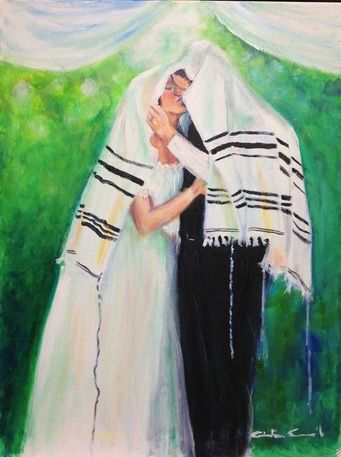
Genesis 25:19–28:9

Yitzchak marries Rivka

Isaac and Rebecca endure twenty childless years, until their prayers are answered and Rebecca conceives. She experiences a difficult pregnancy as the “children struggleinside her”; G‑d tells her that “there are two nations in your womb,” and that the younger will prevail over the elder.

To read the full article:

chabad.org/jewish/Toldot-in-a-Nutshell
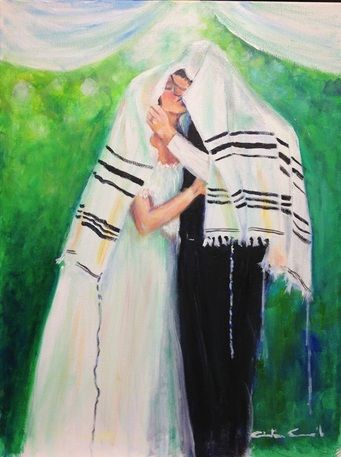
Resumen de la Parashá

Génesis 25:19-28:9

Itzjak se casa con Rivka. Luego de veinte años sin hijos, sus plegarias son respondidas y Rivka concibe. El embarazo es difícil, ya que “los niños se pelean dentro suyo”; Di-s le dice que tiene “dos naciones en su vientre”, y que su hijo menor prevalecerá por sobre el mayor.

La palabra de Dios para Rivka: “Dos naciones hay en tu seno. Dos gobiernos se separarán desde tus entrañas. El dominio irá de un gobierno para el otro. El mayor servirá al menor” (Bereshít 25:23)

Para leer el artículo completo:

es.chabad.org/jewish/Resumen-de-la-Parash
Related Posts:
Four Reasons Shabbat Is Compared to Bride and a Queen

In the 16th-century Shabbat hymn “Lecha Dodi” [“Come, my beloved . . .”], we welcome the Shabbat as both a bride and queen.

This concept goes all the way back to the Talmud, where we read that Rabbi Chanina would wrap himself in his special garments on Shabbat eve and say, “Come, and we will go out to greet Shabbat the queen.” Another sage, Rabbi Yannai, would don his garment on Shabbat eve and say, “Enter, O bride. Enter, O bride.”1

So what is the Shabbat: a bride or a queen? And who is her husband?

1. Married to Israel

Rabbi Shmuel Eidels, known as Maharsha (1555–1631), explains that this is based on the Midrashic teaching2 that when G‑d created the world, Shabbat pleaded with G‑d, saying: “Everyone else has a mate [e.g., Sunday has Monday as a partner, Tuesday has Wednesday, etc.], but I have no one!” G‑d answered: “The community of Israel will be your mate.”

To read the full article:

chabad.org/jewish/Four-Reasons-Shabbat-Is-Compared-to-Bride-and-a-Queen

Cuatro razones por las que se compara el Shabat con la novia y la reina

En el himno de Shabat del siglo XVI “Lecha Dodi” [“Ven, amado mío. . . ”], Damos la bienvenida al Shabat como novia y reina.

Este concepto se remonta al Talmud, donde leemos que el rabino Janina se envolvía con sus ropas especiales en la víspera de Shabat y decía: “Ven y saldremos a saludar a la reina Shabat”. Otro sabio, el rabino Yannai, se ponía su ropa en la víspera de Shabat y decía: “Entra, oh novia. Entra, oh novia. ”1

Entonces, ¿qué es el Shabat: una novia o una reina? ¿Y quién es su marido?

1. Casado con Israel

El rabino Shmuel Eidels, conocido como Maharsha (1555-1631), explica que esto se basa en la enseñanza del Midrash de que cuando Di-s creó el mundo, Shabat suplicó a Di-s, diciendo: “Todos los demás tienen una pareja [p. Ej., El domingo tiene el lunes como socio, el martes tiene el miércoles, etc.], ¡pero yo no tengo a nadie! ” Di-s respondió: “La comunidad de Israel será tu compañera”.

Años más tarde, cuando Israel se paró en el Sinaí, Di-s dijo: “Recuerda que le dije a Shabat que la comunidad de Israel es tu compañera. Este es el significado del versículo, “” Acuérdate del Shabat y santifícalo “. La palabra hebrea “santificarlo” también denota matrimonio. Por lo tanto, es como si Di-s dijera: “Acuérdate de mi promesa del Shabat y asegúrate de casarte con ella”.

Explica además que el momento de este matrimonio es cuando el sol se pone el viernes por la tarde. Dado que la nación judía se considera “hijos de la realeza”, a Shabat se le llama reina, porque es la novia de un rey.

2. Novia de Di-s

El Midrash explica que Shabat, el día de descanso, fue en sí mismo la creación del séptimo día. En palabras del Midrash: “Esto es comparable a un rey que preparó una cámara nupcial pero le faltaba una novia. Del mismo modo, el mundo se estaba perdiendo el Shabat “.
Una explicación de este Midrash es que el propósito de celebrar el Shabat es recordar siempre que Di-s, el Rey, es el Creador del mundo. Creó el mundo en seis días y descansó el séptimo. Recordamos que Di-s es el Creador al celebrar el Shabat.

3. Nos convertimos en la novia

El rabino Yehuda Loewe, conocido como Maharal de Praga (1525-1609), explica que los tres términos “Shabat”, “novia” y “reina” representan tres formas diferentes de honrar el Shabat:

. Descansamos del trabajo. La palabra Shabat significa “descanso”.
. Con ropa especial, como se viste una novia para la boda.
. Con indulgencia en delicias especiales y actividades placenteras, como la realeza.

Según esta explicación, parece como si nosotros mismos nos convirtiéramos en la novia en Shabat.

4. La reina cabalística

Los cabalistas explican que los siete días de la semana corresponden a los siete atributos de Di-s: Chesed (bondad), Gevurah (severidad), Tiferet (armonía), Netzach (perseverancia), Hod (humildad), Yesod (fundamento) y Maljut (realeza). Por lo tanto, Shabat corresponde al atributo final: la Realeza.

Así como usamos los seis días de la semana para prepararnos para Shabat, Maljut recibe su energía de las seis sefirot anteriores.

Piense en la realeza por un momento. Es cierto que son receptores, habiendo recibido su mandato de gobernar (y su riqueza) de sus súbditos. Pero también deben dar, liderando, guiando e inspirando a su nación.

Lo mismo puede decirse del Shabat. Pasamos seis días preparándonos para Shabat, pero luego ella nos da la vitalidad para sobrevivir y prosperar durante la próxima semana.

El atributo de maljut también se conoce como Shejiná, el aspecto femenino de Di-s, lo que puede explicar por qué Shabat es una reina y no un rey.

Nuestros sabios nos dicen que si todos guardamos aunque sea un Shabat, mereceremos la redención final, una era que se conoce como el Shabat eterno. ¡Que sea pronto en nuestros días!
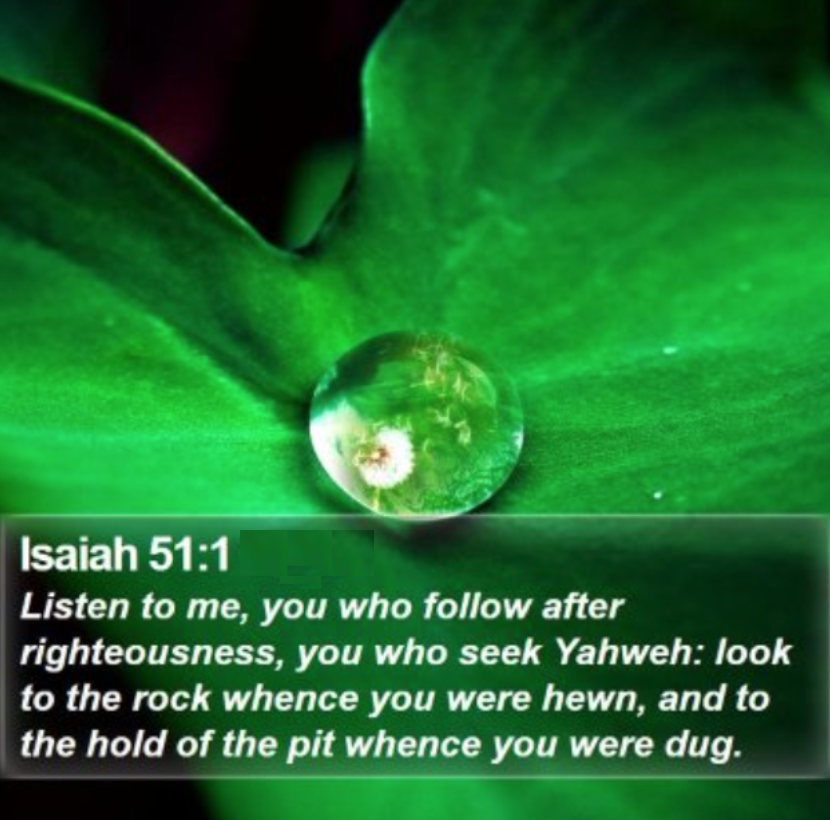

Yeshayahu – Isaiah – Chapter 51

1 Hearken to Me, you pursuers of righteousness, you seekers of the Lord; look at the rock whence you were hewn and at the hole of the pit whence you were dug.   אשִׁמְע֥וּ אֵלַ֛י רֹ֥דְפֵי צֶ֖דֶק מְבַקְשֵׁ֣י יְהֹוָ֑ה הַבִּ֙יטוּ֙ אֶל־צ֣וּר חֻצַּבְתֶּ֔ם וְאֶל־מַקֶּ֥בֶת בּ֖וֹר נֻקַּרְתֶּֽם:
2 Look at Abraham your father and at Sarah who bore you, for when he was but one I called him, and I blessed him and made him many.   בהַבִּ֙יטוּ֙ אֶל־אַבְרָהָ֣ם אֲבִיכֶ֔ם וְאֶל־שָׂרָ֖ה תְּחֽוֹלֶלְכֶ֑ם כִּֽי־אֶחָ֣ד קְרָאתִ֔יו וַֽאֲבָֽרְכֵ֖הוּ וְאַרְבֵּֽהוּ:
3 For the Lord shall console Zion, He shall console all its ruins, and He shall make its desert like a paradise and its wasteland like the garden of the Lord; joy and happiness shall be found therein, thanksgiving and a voice of song.   גכִּֽי־נִחַ֨ם יְהֹוָ֜ה צִיּ֗וֹן נִחַם֙ כָּל־חָרְבֹתֶ֔יהָ וַיָּ֚שֶׂם מִדְבָּרָהּ֙ כְּעֵ֔דֶן וְעַרְבָתָ֖הּ כְּגַן־יְהֹוָ֑ה שָׂשׂ֚וֹן וְשִׂמְחָה֙ יִמָּ֣צֵא בָ֔הּ תּוֹדָ֖ה וְק֥וֹל זִמְרָֽה:
4 Hearken to Me, My people, and My nation, bend your ears to Me, when Torah shall emanate from Me, and My judgment [shall be] for the light of the peoples, I will give [them] rest.   דהַקְשִׁ֚יבוּ אֵלַי֙ עַמִּ֔י וּלְאוּמִּ֖י אֵלַ֣י הַֽאֲזִ֑ינוּ כִּ֚י תוֹרָה֙ מֵֽאִתִּ֣י תֵצֵ֔א וּמִ֨שְׁפָּטִ֔י לְא֥וֹר עַמִּ֖ים אַרְגִּֽיעַ:
5 My righteousness is near, My salvation has gone forth, and My arms shall chasten peoples; islands shall wait for Me, and on My arm shall they trust.   הקָר֚וֹב צִדְקִי֙ יָצָ֣א יִשְׁעִ֔י וּזְרֹעַ֖י עַמִּ֣ים יִשְׁפֹּ֑טוּ אֵלַי֙ אִיִּ֣ים יְקַוּ֔וּ וְאֶל־זְרוֹעִ֖י יְיַחֵלֽוּן:
6 Raise your eyes to heaven and look at the earth from beneath, for the heavens shall vanish like smoke, and the earth shall rot away like a garment, and its inhabitants shall likewise die, and My salvation shall be forever, and My righteousness shall not be abolished.   ושְׂאוּ֩ לַשָּׁמַ֨יִם עֵֽינֵיכֶ֜ם וְהַבִּ֧יטוּ אֶל־הָאָ֣רֶץ מִתַּ֗חַת כִּֽי־שָׁמַ֜יִם כֶּעָשָׁ֚ן נִמְלָ֙חוּ֙ וְהָאָ֙רֶץ֙ כַּבֶּ֣גֶד תִּבְלֶ֔ה וְיֹֽשְׁבֶ֖יהָ כְּמוֹ־כֵ֣ן יְמוּת֑וּן וִישֽׁוּעָתִי֙ לְעוֹלָ֣ם תִּֽהְיֶ֔ה וְצִדְקָתִ֖י לֹ֥א תֵחָֽת:
7 Hearken to Me, you who know righteousness, a people that has My Torah in their heart, fear not reproach of man, and from their revilings be not dismayed.   זשִׁמְע֚וּ אֵלַי֙ יֹ֣דְעֵי צֶ֔דֶק עַ֖ם תּוֹרָתִ֣י בְלִבָּ֑ם אַל־תִּֽירְאוּ֙ חֶרְפַּ֣ת אֱנ֔וֹשׁ וּמִגִּדֻּפֹתָ֖ם אַל־תֵּחָֽתּוּ:
8 For, like a garment, the moth shall consume them, and like wool, the worm shall consume them, but My righteousness shall be forever, and My salvation to all generations.   חכִּ֚י כַבֶּ֙גֶד֙ יֹֽאכְלֵ֣ם עָ֔שׁ וְכַצֶּ֖מֶר יֹֽאכְלֵ֣ם סָ֑ס וְצִדְקָתִי֙ לְעוֹלָ֣ם תִּֽהְיֶ֔ה וִישֽׁוּעָתִ֖י לְד֥וֹר דּוֹרִֽים:
9 Awaken, awaken, dress yourself with strength, O arm of the Lord, awaken, awaken like days of old, generations of yore; are you not the one that hewed Rahab and slew the sea monster?   טעוּרִ֨י עוּרִ֚י לִבְשִׁי־עֹז֙ זְר֣וֹעַ יְהֹוָ֔ה עוּרִי כִּ֣ימֵי קֶ֔דֶם דּוֹר֖וֹת עֽוֹלָמִ֑ים הֲל֥וֹא אַתְּ־הִ֛יא הַמַּֽחְצֶ֥בֶת רַ֖הַב מְחוֹלֶ֥לֶת תַּנִּֽין:
10 Are you not the one who dried up the sea, the waters of the great deep? Who made the depths of the sea a road for the redeemed ones to pass?   יהֲל֚וֹא אַתְּ־הִיא֙ הַמַּֽחֲרֶ֣בֶת יָ֔ם מֵ֖י תְּה֣וֹם רַבָּ֑ה הַשָּׂ֙מָה֙ מַֽעֲמַקֵּי־יָ֔ם דֶּ֖רֶךְ לַֽעֲבֹ֥ר גְּאוּלִֽים:
11 And the redeemed of the Lord shall return, and they shall come to Zion with song, and [with] everlasting joy on their heads; gladness and joy shall overtake them; sorrow and sighing shall flee.   יאוּפְדוּיֵ֨י יְהֹוָ֜ה יְשׁוּב֗וּן וּבָ֚אוּ צִיּוֹן֙ בְּרִנָּ֔ה וְשִׂמְחַ֥ת עוֹלָ֖ם עַל־רֹאשָׁ֑ם שָׂשׂ֚וֹן וְשִׂמְחָה֙ יַשִּׂיג֔וּן נָ֖סוּ יָג֥וֹן וַֽאֲנָחָֽה:
12 I, yea I am He Who consoles you; who are you that you fear man who will die and the son of man, who shall be made [as] grass?   יבאָֽנֹכִ֧י אָֽנֹכִ֛י ה֖וּא מְנַֽחֶמְכֶ֑ם מִי־אַ֚תְּ וַתִּֽירְאִי֙ מֵֽאֱנ֣וֹשׁ יָמ֔וּת וּמִבֶּן־אָדָ֖ם חָצִ֥יר יִנָּתֵֽן:
13 And you forgot the Lord your Maker, Who spread out the heavens and founded the earth, and you fear constantly the whole day because of the wrath of the oppressor when he prepared to destroy. Now where is the wrath of the oppressor?   יגוַתִּשְׁכַּ֞ח יְהֹוָ֣ה עֹשֶׂ֗ךָ נוֹטֶ֣ה שָׁמַיִם֘ וְיֹסֵ֣ד אָרֶץ֒ וַתְּפַחֵ֨ד תָּמִ֜יד כָּל־הַיּ֗וֹם מִפְּנֵי֙ חֲמַ֣ת הַמֵּצִ֔יק כַּֽאֲשֶׁ֥ר כּוֹנֵ֖ן לְהַשְׁחִ֑ית וְאַיֵּ֖ה חֲמַ֥ת הַמֵּצִֽיק:
14 What must be poured out hastened to be opened, and he shall not die of destruction, and his bread shall not be wanting.   ידמִהַ֥ר צֹעֶ֖ה לְהִפָּתֵ֑חַ וְלֹֽא־יָמ֣וּת לַשַּׁ֔חַת וְלֹ֥א יֶחְסַ֖ר לַחְמֽוֹ:
15 I am the Lord your God, Who wrinkles the sea and its waves stir; the Lord of Hosts is His name.   טווְאָֽנֹכִי֙ יְהֹוָ֣ה אֱלֹהֶ֔יךָ רֹגַ֣ע הַיָּ֔ם וַיֶּֽהֱמ֖וּ גַּלָּ֑יו יְהֹוָ֥ה צְבָא֖וֹת שְׁמֽוֹ:
16 And I placed My words into your mouth, and with the shadow of My hand I covered you, to plant the heavens and to found the earth and to say to Zion [that] you are My people.   טזוָֽאָשִׂ֚ים דְּבָרַי֙ בְּפִ֔יךָ וּבְצֵ֥ל יָדִ֖י כִּסִּיתִ֑יךָ לִנְטֹ֚עַ שָׁמַ֙יִם֙ וְלִיסֹ֣ד אָ֔רֶץ וְלֵאמֹ֥ר לְצִיּ֖וֹן עַמִּי־אָֽתָּה:
17Awaken, awaken, arise, Jerusalem, for you have drunk from the hand of the Lord the cup of His wrath; the dregs of the cup of weakness you have drained.   יזהִתְעֽוֹרְרִ֣י הִֽתְעֽוֹרְרִ֗י קוּמִי יְר֣וּשָׁלִַ֔ם אֲשֶׁ֥ר שָׁתִ֛ית מִיַּ֥ד יְהֹוָ֖ה אֶת־כּ֣וֹס חֲמָת֑וֹ אֶת־קֻבַּ֜עַת כּ֧וֹס הַתַּרְעֵלָ֛ה שָׁתִ֖ית מָצִֽית:
18 She has no guide out of all the sons she bore, and she has no one who takes her by the hand out of all the sons she raised.   יחאֵ֚ין־מְנַהֵ֣ל לָ֔הּ מִכָּל־בָּנִ֖ים יָלָ֑דָה וְאֵ֚ין מַֽחֲזִיק֙ בְּיָדָ֔הּ מִכָּל־בָּנִ֖ים גִּדֵּֽלָה:
19 These two things have befallen you; who will lament for you? Plunder and destruction, and famine and sword. [With] whom will I console you?   יטשְׁתַּ֚יִם הֵ֙נָּה֙ קֹֽרְאֹתַ֔יִךְ מִ֖י יָנ֣וּד לָ֑ךְ הַשֹּׁ֧ד וְהַשֶּׁ֛בֶר וְהָֽרָעָ֥ב וְהַחֶ֖רֶב מִ֥י אֲנַֽחֲמֵֽךְ:
20 Your sons have fainted, they lie at the entrance of all streets like a wild ox in a net, full of the wrath of the Lord, the rebuke of your God.   כבָּנַ֜יִךְ עֻלְּפ֥וּ שָֽׁכְב֛וּ בְּרֹ֥אשׁ כָּל־חוּצ֖וֹת כְּת֣וֹא מִכְמָ֑ר הַֽמְלֵאִ֥ים חֲמַת־יְהֹוָ֖ה גַּֽעֲרַ֥ת אֱלֹהָֽיִךְ:
21 Therefore, hearken now to this, you poor one, and who is drunk but not from wine.   כאלָכֵ֛ן שִׁמְעִי־נָ֥א זֹ֖את עֲנִיָּ֑ה וּשְׁכֻרַ֖ת וְלֹ֥א מִיָּֽיִן:
22 So said your Master, the Lord, and your God Who shall judge His people, “Behold, I took from you the cup of weakness; the dregs of the cup of My wrath-you shall no longer continue to drink it.   כבכֹּֽה־אָמַ֞ר אֲדֹנַ֣יִךְ יְהֹוָ֗ה וֵֽאלֹהַ֙יִךְ֙ יָרִ֣יב עַמּ֔וֹ הִנֵּ֥ה לָקַ֛חְתִּי מִיָּדֵ֖ךְ אֶת־כּ֣וֹס הַתַּרְעֵלָ֑ה אֶת־קֻבַּ֙עַת֙ כּ֣וֹס חֲמָתִ֔י לֹֽא־תוֹסִ֥יפִי לִשְׁתּוֹתָ֖הּ עֽוֹד:
23 And I will place it into the hand of those who cause you to wander, who said to your soul, ‘Bend down and let us cross,’ and you made your body like the earth and like the street for those who cross.”   כגוְשַׂמְתִּ֙יהָ֙ בְּיַד־מוֹגַ֔יִךְ אֲשֶׁר־אָֽמְר֥וּ לְנַפְשֵׁ֖ךְ שְׁחִ֣י וְנַֽעֲבֹ֑רָה וַתָּשִׂ֚ימִי כָאָ֙רֶץ֙ גֵּוֵ֔ךְ וְכַח֖וּץ לַעֹֽבְרִֽים:

Isaias 51

Palabras de consuelo para Sion

 Escuchadme, vosotros que vaís en os de la justicia, los que buscáis al Eterno. Mirad a la roca de donde fuistéis cortado, y a la  cantera de donde habéis sido sacados.

Mirad a Abraham vuestro padre, y a Sara que os dio a luz; puese cuando  era uno solo, le llamé, le bendije y lo multipliqué.

Porque el Eterno a consolado a Sion; Ha consolado a todos sus desiertos y los ha hecho como un jardin  del Eterno. Regocijo y alegría se hallará en ellos, alabanza y rumor de cánticos.

Atiende, oh pueblo Mío, y presta oídos, oh  nación Mía; porque de Mí saldrá la instrucción, y Mi derecho sera pronto  luz de los pueblos.

Cercana está Mi justicia, ha salido Mi salvación, y mis brazos juzgarán a los pueblos; a mí me esperan los de la costa, y en Mi brazo ponen su esperanza.

Alzad a los cielos vuestros ojos, y mirad abajo a la tierra; porque los cielos serán deshechos como humo, y la tierra se envejecerá como ropa de vestir, y de la misma manera perecerán sus moradores; pero Mi salvación será para siempre, Mi justicia no perecerá.

7 Escuchadme, vosotros que conocéis la justicia, pueblo en cuyo corazón está Mi Ley. No temáis el vituperio de los hombres, ni os acobardéis de sus ultrajes. 

Porque  los comerá la polilla, como si fuera un vestido y el gusano los comerá como la lana pero Mi justicia será para siempre y Mi salvación existirá para todas las genraciones.

Despiértata, despiérta, fortalécete, oh brazo de Eterno. Despierta como en los  días antiguo, en la generación de los tiempos idos. ¿No eres el que cortó la soberbia en pedazos y perforó al cocodrilo?

10 ¿No eres el que secó el mar, las aguas del gran abismo; el que transformó en camino las profundidades del mar para que pasaran los liberados?

11 Retornarán los rescatados del Eterno y vendrán con cánticos a Sión. La alegría eterna será sobre sus cabezas. Tendrán gozo y regocijo, huirán la tristeza y la aflicción.

12 Yo soy el que te conforta. ¿Quién eres tú para temer al hombre, que es mortal, y del hijo de hombre, que es como hierba?

13 ¿Has olvidado al Eterno tu Hacedor que expandió los cielos y puso los cimientos de la tierra? ¿Temes sin cesar, día tras día, a causa de la furia del opresor que se prepara par destruirte? ¿Y dónde está la furia del opresor? 

14 Pronto será liberado el cautivo y no bajará muriendo a la fosa, ni le faltará pan.

15 Porque Yo Soy el Eterno tu Dios, que agita el mar para que rujan las olas. El Eterno de los Ejercitos es su Nombre.

16 He puesto Mis palabras en tu boca y te he cubierto a la sombra de Mi mano para que pueda plantar los cielos, poner los cimientos de la tierra y decirle a Sión: “Tú eres Mi pueblo”. 

17 Despierta, despierta, levántate, oh Jerusalem, que bebiste de la mano del Eterno el cáliz de su ira; porque el cáliz de aturdimiento bebiste hasta los sedimentos.

18 De todos los hijos que dio a luz, no hay quien la guíe; ni quien la tome de la mano, de todos los hijos que crió.

19 Estas dos cosas te han acontecido: asolamiento y quebrantamiento, hambre y espada. ¿Quién se dolerá de ti? ¿Quién te consolará?

20 Tus hijos desmayaron, estuvieron tendidos en las encrucijadas de todos los caminos, como antílope en la red, llenos de la indignación del Eterno, de la ira del Dios tuyo.

21 Oye, pues, ahora esto, afligida, ebria, y no de vino:

22 Así dice tu Señor el Eterno, y tu Dios que defiende la causa de tu pueblo: He aquí he quitado de tu mano la copa de tu vértigo el  cáliz de la copa de mi furia. No la beberán más.

23 Y Yo la pondré en la mano de los que te hacen sufrir, los que han dicho a tu alma: “Póstrate para que pasemos por encima”. Y tú has puesto tu espada como si fuera el suelo o la calle para que te pasen por encima.

El profeta comienza asegurando a la gente que, incluso en el exilio, si ponen su fe y confianza en Di-s, no tienen nada que temer.