Tehillim – Psalms – Chapter 89
| 15 Righteousness and judgment are the basis of Your throne; kindness and truth come before Your countenance. | טוצֶ֣דֶק וּ֖מִשְׁפָּט מְכ֣וֹן כִּסְאֶ֑ךָ חֶ֥סֶד וֶֽ֜אֱמֶ֗ת יְֽקַדְּמ֥וּ פָנֶֽיךָ: |
La justicia y el juicio son la base de Tu trono; la bondad y la verdad se presentan ante tu rostro. – Los Salmos 89
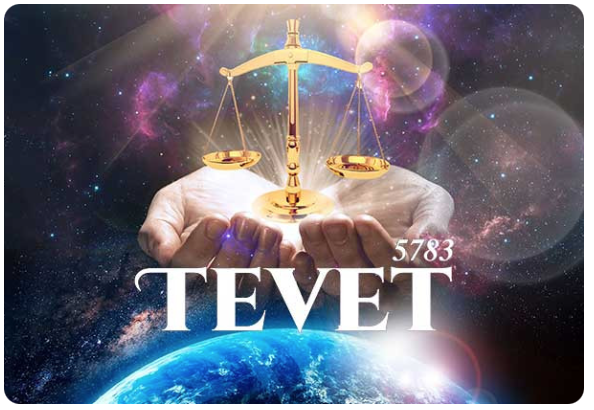
El nombre de la tribu que se relaciona (según el Sefer Ietzirá) con este mes es Dán, que significa “Juzgar” y también aprendemos de la misma fuente que la letra, a partir de la cual fue creada la constelación de Capricornio es la letra Äin, que significa “Ojo”.
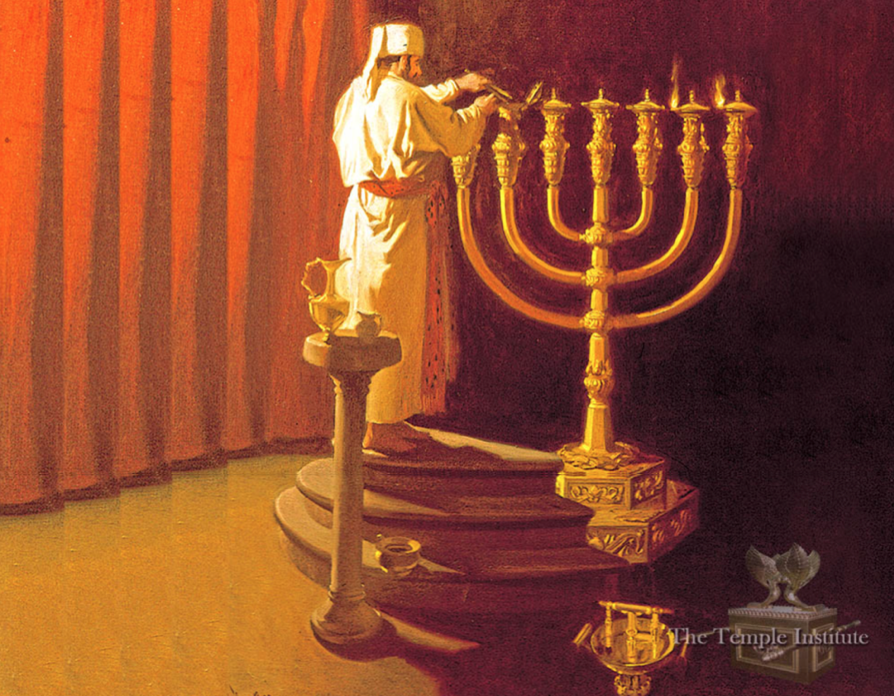
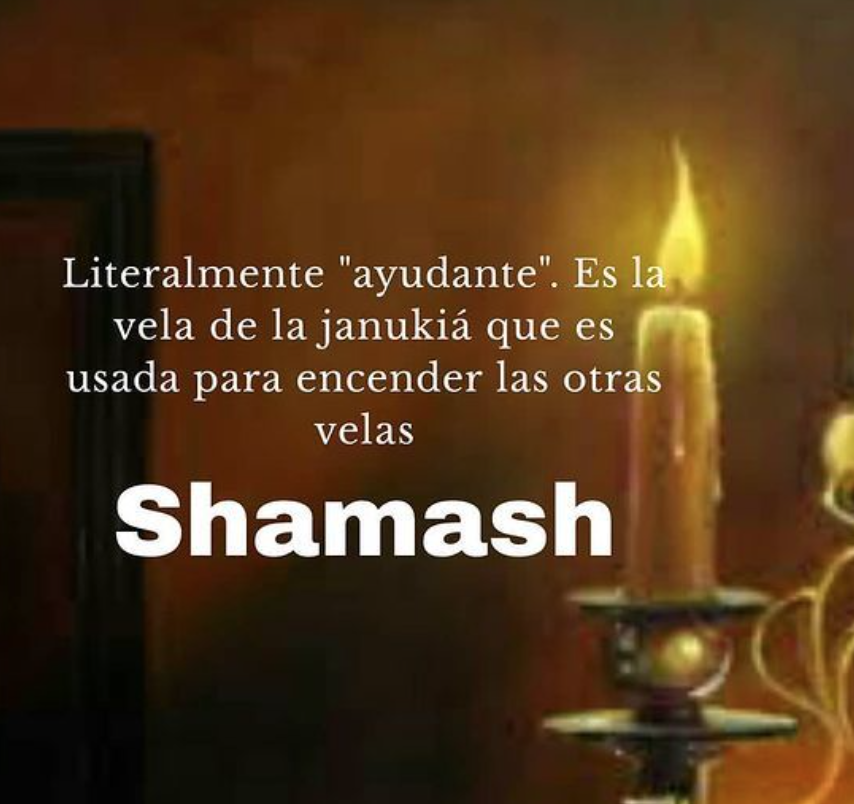
Los griegos quisieron oscurecer espiritualmente a Israel, y la luz de Janukká, que se extiende del 25 de Kislév/Sagitario al 2 de Tevet/Capricornio pudo vencer la fuerza de la oscuridad.
Ester fue hecha reina de Media y Persia (Ester 2: 16-17)
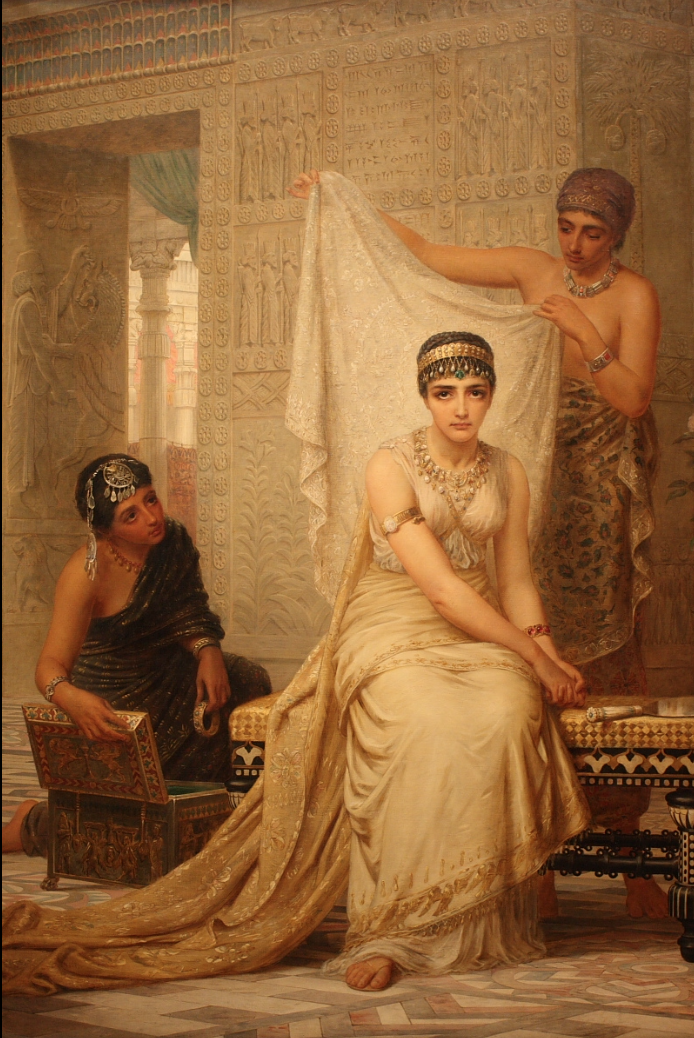
En el libro de Ester leemos que Ester fue llevada al palacio del rey Asuero “en el mes décimo, que es el mes de Tevet”. El Talmud explica que el mes de Tevet fue un momento particularmente oportuno, ya que el frío hace que “el cuerpo disfrute del cuerpo [de otro]”.

11 Facts About the Month of Tevet Every Jew Should Know
By Menachem Posner
1. Tevet Is in the Winter
The 10th month on the Jewish calendar, Tevet occurs in the wintertime. In fact, the entire winter season is sometimes called tekufat (season of) Tevet in Jewish tradition.
2. Tevet Always Has 29 Days
The two months preceding Tevet (Cheshvan and Kislev) can each have either 29 or 30 days, depending on the year. From Tevet and onward, things are simple. Tevet has 29 and Shevat has 30, establishing a pattern of alternating months that continues for the rest of the year.
To read the full article:
chabad.org/jewish/11-Facts-About-the-Month-of-Tevet-Every-Jew-Should-Know

11 Datos Sobre el Mes de Tevet que todo Judío Debe Saber
1. Tevet está en el invierno
El décimo mes en el calendario Judío, Tevet ocurre en el invierno. De hecho, toda la temporada de invierno a veces se llama tekufat (temporada de) Tevet en la tradición Judía.
2. Tevet siempre tiene 29 días
Los dos meses anteriores a Tevet (Jeshvan y Kislev) pueden tener cada uno 29 o 30 días, según el año. Desde Tevet en adelante, las cosas son simples. Tevet tiene 29 y Shevat tiene 30, estableciendo un patrón de meses alternos que continúa durante el resto del año.
3. Janucá termina en Tevet
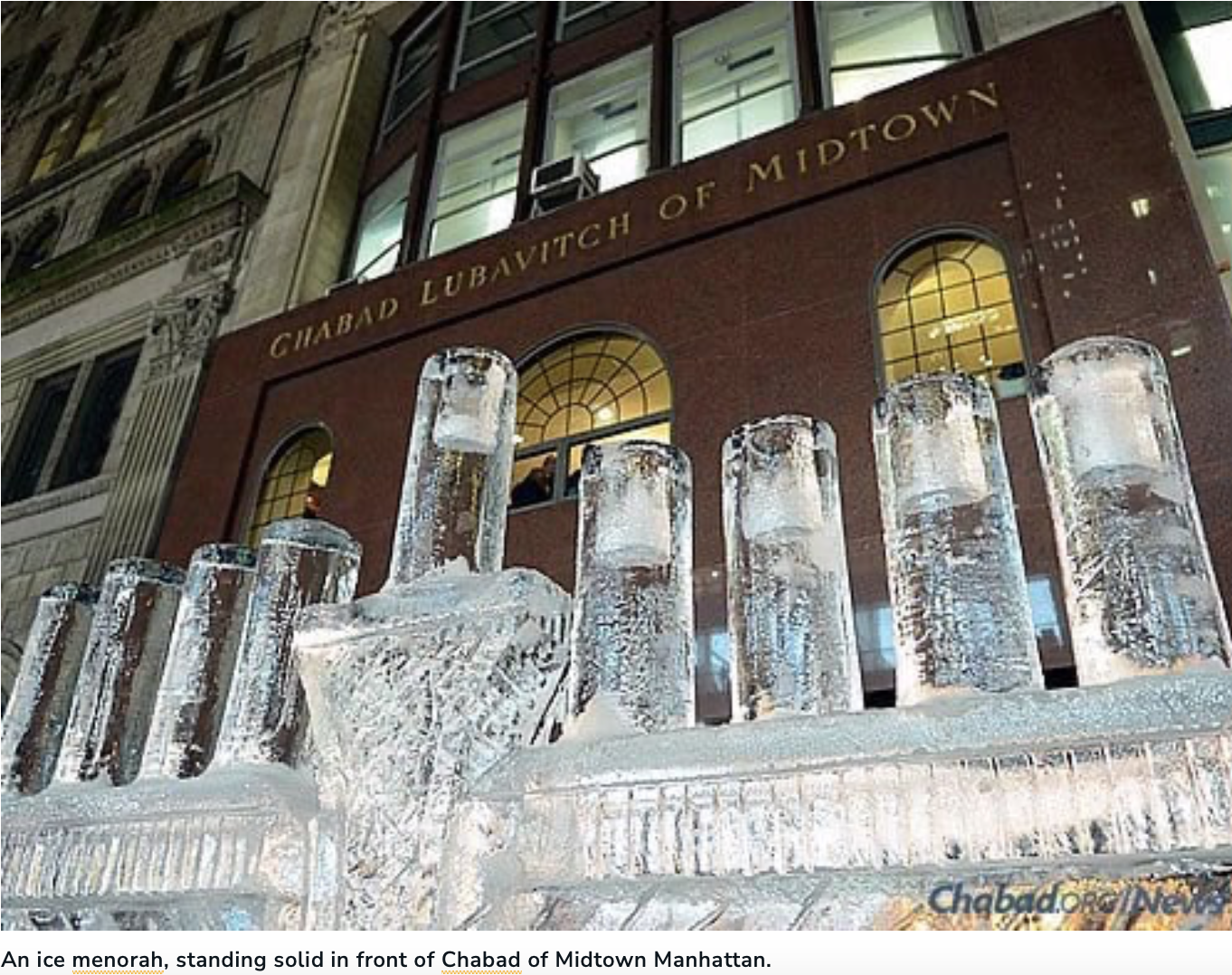
Janucá comienza el 25 de Kislev y continúa durante 8 días. Esto significa que los últimos días de Janucá se extienden hasta Tevet, un mes por lo demás triste y ordinario. En el caso de que el primer día de Tevet sea en Shabat, este Shabat es una de las pocas ocasiones en que se sacan del arca tres rollos de la Torá durante los servicios matutinos. La porción de la Torá de la semana (Mikeitz) se lee de un rollo, la lectura de Rosh Jodesh se lee del segundo y la porción de Janucá se lee del tercero. El Grace After Meals para ese Shabat (que incluye adiciones para Shabat, Rosh Jodesh y Janucá) también es el más largo del año.
4. Ester fue llevada al Palacio
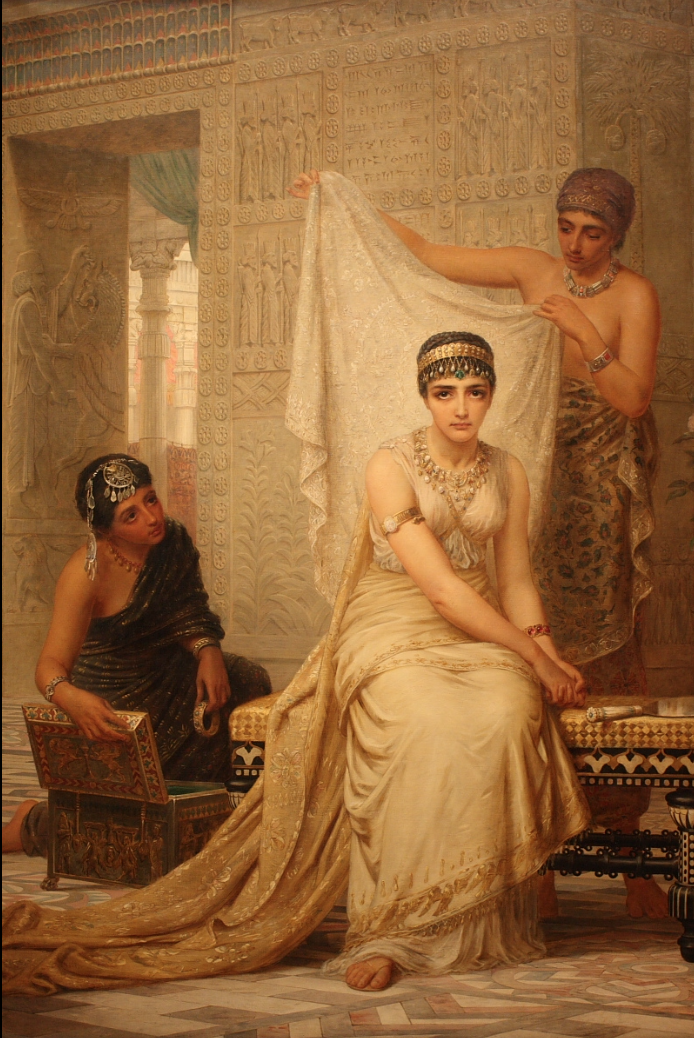
En el libro de Ester leemos que Ester fue llevada al palacio del rey Asuero “en el mes décimo, que es el mes de Tevet”. El Talmud explica que el mes de Tevet fue un momento particularmente oportuno, ya que el frío hace que “el cuerpo disfrute del cuerpo [de otro]”.
5. Comenzó el sitio de Jerusalem
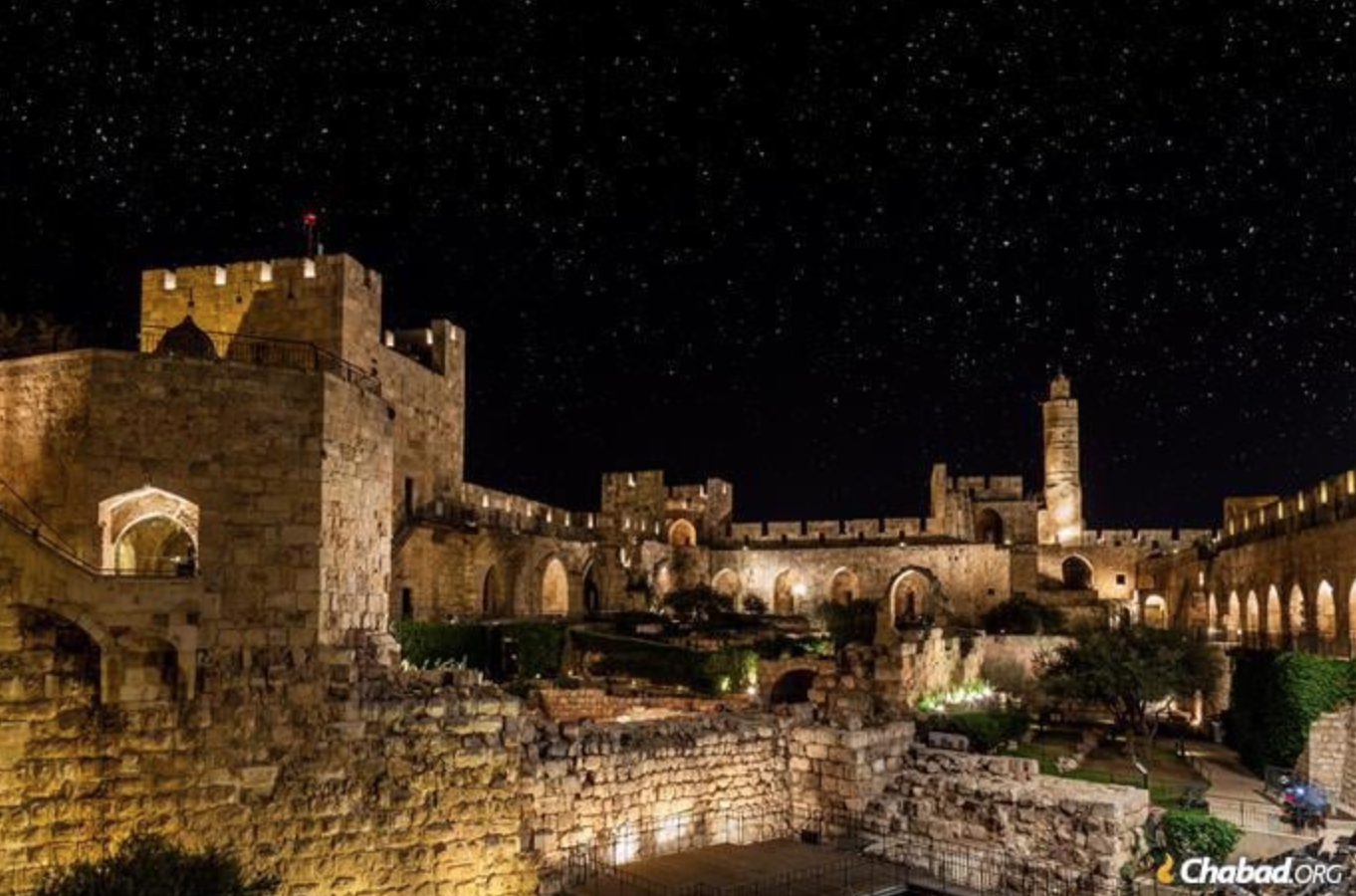
Incluso antes de que recibiera el nombre de Tevet, cuando se conocía simplemente como el mes décimo, este fue un momento significativo en la historia Judía: “En el mes décimo, el día 10 del mes, vino Nabucodonosor, rey de Babilonia, él y todo su ejército contra Jerusalem, y acamparon contra ella, y construyeron obras de asedio alrededor de ella.”
6. El décimo día del mes es un día de ayuno
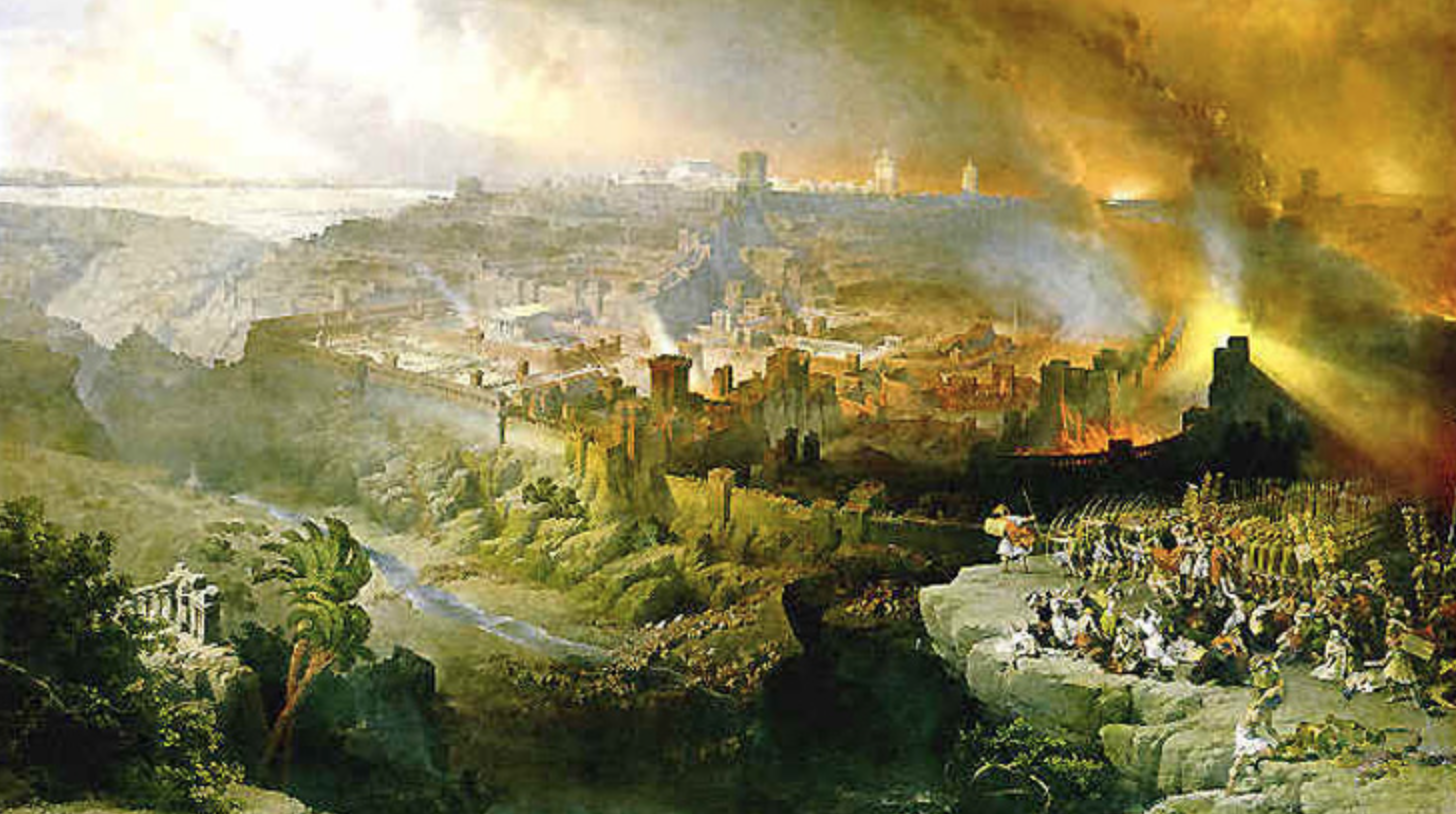
El libro de Zacarías nos dice que cuatro días de ayuno se convertirán en días de “gozo y alegría y buenas fiestas” en la era del Mashíaj, incluido “el ayuno del 10”, una referencia al día 10 de Tevet (el mes 10). . En este día, el pueblo Judío lamenta la destrucción de Jerusalem, resultado del asedio que comenzó ese día. Desde el amanecer hasta el anochecer no se consume comida ni bebida, y se recitan oraciones adicionales.
7. También Ocurrieron Otros dos Eventos Trágicos
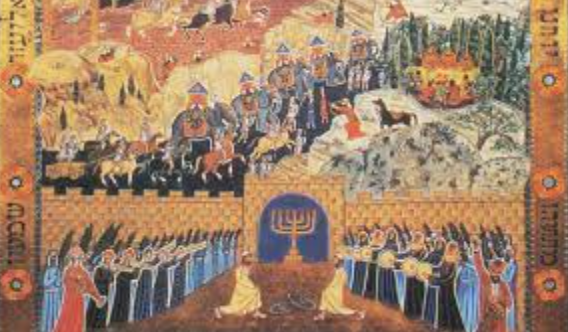
La tradición nos dice que el ayuno del 10 de Tevet conmemora otros dos eventos trágicos.
El 8 de Tevet, a instancias de Ptolomeo de Egipto, la Torá fue traducida al griego, marcando un fuerte declive de la espiritualidad Judía, la Torá ahora percibida como un libro más de sabiduría en la gran biblioteca de Ptolomeo.
Ocurrió que el Rey Ptolomeo reunió setenta y dos sabios y los ubicó en setenta y dos casas, sin decirles por qué los había llevado. Fue a cada uno de ellos y les dijo: “Traduce para mí [a griego] la Torá de tu maestro Moisés”
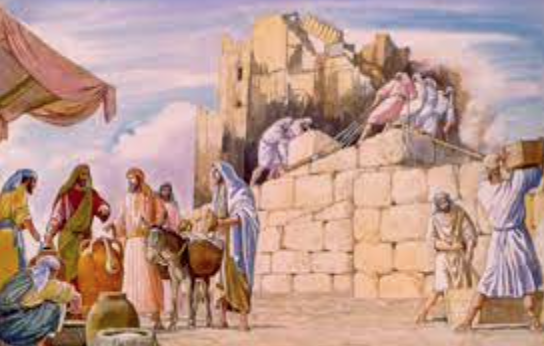
9 Tevet es el yahrtzeit de Ezra el Escriba, el líder espiritual de los Judíos que regresaron a la Tierra de Israel desde Babilonia y reconstruyeron el Templo en Jerusalem. Se lamentó profundamente la muerte de este gran líder, que dejó una huella indeleble en la vida y la observancia de los Judíos.
Sin embargo, se declaró un solo ayuno para los tres eventos, para que el mes no estuviera lleno de tristeza y luto.
8. Los agentes no fueron enviados desde Jerusalem
En la época del Templo, al comienzo de cada mes Judío que contenía una festividad, se enviaban agentes desde Jerusalem para notificar al pueblo Judío de cada comunidad cuándo había comenzado el mes, para que supieran cuándo observar la festividad. Pero no se enviaron corredores al comienzo de Tevet. Dado que el ayuno sería abolido algún día, no se consideró vinculante en ese momento y no merecía una notificación especial.
9. Tevet es babilónico
El nombre “Tevet” fue adoptado por el pueblo judío durante el exilio en Babilonia.
Se cree que tiene la connotación de “hundirse” o “sumergir”. Esto posiblemente esté relacionado con el hecho de que las fuertes lluvias invernales convierten gran parte del Medio Oriente en un pantano fangoso en esta época del año.
10. El Mazal de Tevet es la Cabra

Cada mes Judío está asociado con el símbolo zodiacal dominante en ese momento. El símbolo de Tevet es el gedi (cabra, Capricornio).
11. 5 Tevet es especial en Jabad
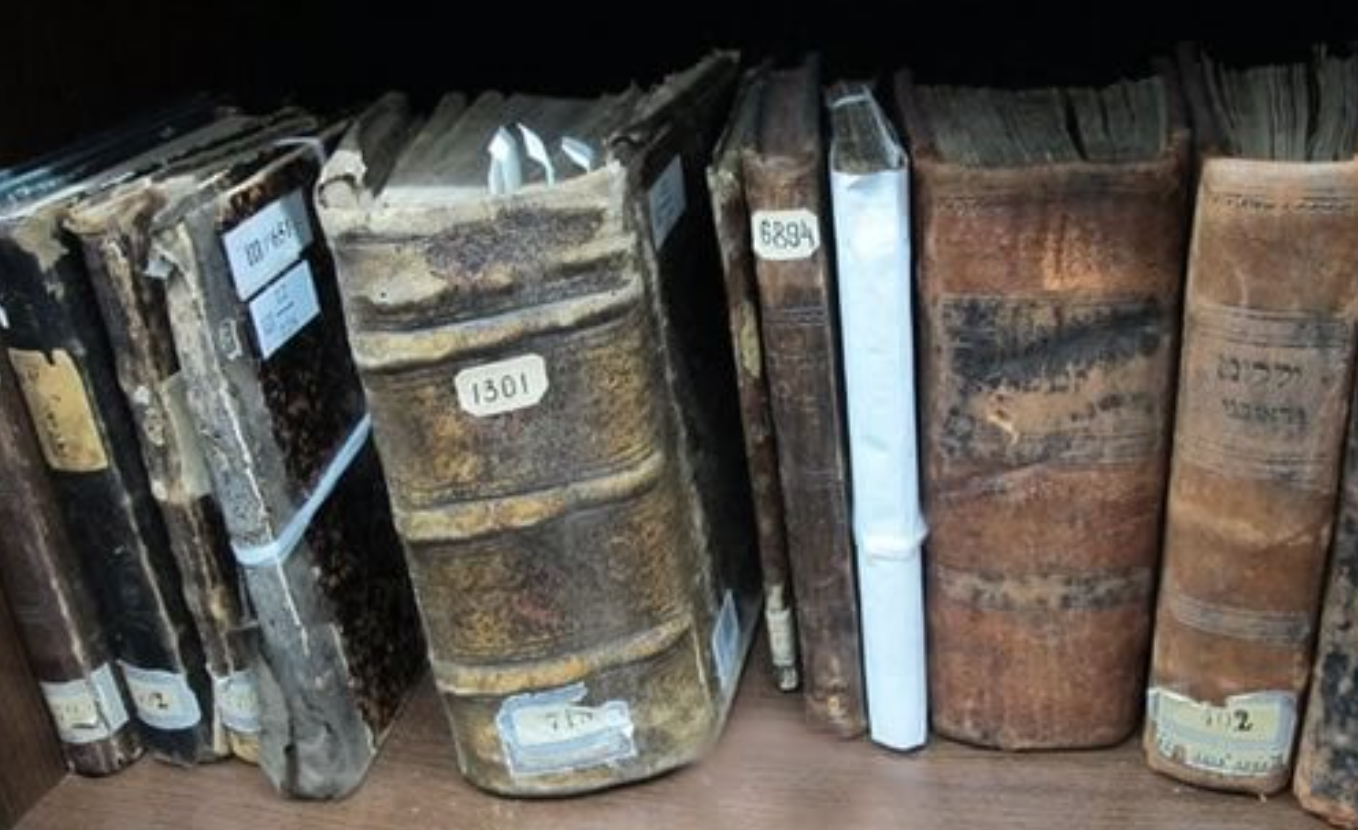
El día 5 de Tevet está marcado con celebraciones en Jabad, ya que es la fecha en que un juez federal de los EE. UU. dictaminó que la extensa biblioteca dejada por el sexto rabino de Lubavitch, el rabino Yosef Yitzchak Schneerson, de justa memoria, pertenecía a la comunidad, reconociendo la naturaleza extraordinaria de un rabino como figura comunitaria.
El día 24 de Tevet también es significativo en Jabad. Es el aniversario del fallecimiento del Alter Rebe, el primer Rebe de Jabad, en 1812.
* * * *
Tehillim – Psalms – Chapter 89
| 1 A maskil of Ethan the Ezrahite. | אמַשְׂכִּ֗יל לְאֵיתָ֥ן הָֽאֶזְרָחִֽי: | |
| 2 The kindnesses of the Lord I shall sing forever; to generation after generation I shall make known Your faithfulness, with my mouth. | בחַֽסְדֵּ֣י יְ֖הֹוָה עוֹלָ֣ם אָשִׁ֑ירָה לְדֹ֥ר וָדֹ֓ר | אוֹדִ֖יעַ אֱמוּנָֽתְךָ֣ בְּפִֽי: | |
| 3 For I said, “Forever will it be built with kindness; as the heavens, with which You will establish Your faithfulness.” | גכִּֽי־אָמַ֗רְתִּי ע֖וֹלָם חֶ֣סֶד יִבָּנֶ֑ה שָׁמַ֓יִם | תָּכִ֖ן אֱמוּנָֽתְךָ֣ בָהֶֽם: | |
| 4 I formed a covenant with My chosen one; I swore to David My servant. | דכָּרַ֣תִּי בְ֖רִית לִבְחִירִ֑י נִ֜שְׁבַּ֗עְתִּי לְדָוִ֥ד עַבְדִּֽי: | |
| 5 Until eternity, I shall establish your seed, and I shall build your throne for all generations forever. | העַד־ע֖וֹלָם אָכִ֣ין זַרְעֶ֑ךָ וּבָנִ֨יתִי לְדֹֽר־וָד֖וֹר כִּסְאֲךָ֣ סֶֽלָה: | |
| 6 And the heavens acknowledge Your wonder, O Lord, also Your faithfulness in the congregation of holy ones. | ווְיוֹד֣וּ שָׁ֖מַיִם פִּלְאֲךָ֣ יְהֹוָ֑ה אַף־אֱ֜מוּנָֽתְךָ֗ בִּקְהַ֥ל קְדֹשִֽׁים: | |
| 7 For who in the heavens is equal to the Lord? [Who] resembles the Lord among the sons of the mighty? | זכִּ֚י מִ֣י בַ֖שַּׁחַק יַֽעֲרֹ֣ךְ לַֽיהֹוָ֑ה יִדְמֶ֥ה לַֽ֜יהֹוָ֗ה בִּבְנֵ֥י אֵלִֽים: | |
| 8 God is revered in the great council of the holy ones and feared by all around Him. | חאֵ֣ל נַֽ֖עֲרָץ בְּסוֹד־קְדֹשִׁ֣ים רַבָּ֑ה וְ֜נוֹרָ֗א עַל־כָּל־סְבִיבָֽיו: | |
| 9 O Lord, God of Hosts, who is like You, O Yah, Who are mighty? And Your faithfulness surrounds You. | טיְהֹוָ֨ה | אֱלֹ֘הֵ֚י צְבָא֗וֹת מִֽי־כָמ֖וֹךָ חֲסִ֥ין | יָ֑הּ וֶֽ֜אֱמוּנָֽתְךָ֗ סְבִֽיבוֹתֶֽיךָ: | |
| 10You rule over the pride of the sea; when it raises its waves, You humble them. | יאַתָּ֣ה מ֖וֹשֵׁל בְּגֵא֣וּת הַיָּ֑ם בְּשׂ֥וֹא גַ֜לָּ֗יו אַתָּ֥ה תְשַׁבְּחֵֽם: | |
| 11You crushed Rahab like one slain; with the arm of Your might You scattered Your enemies. | יאאַתָּ֚ה דִכִּ֣אתָ כֶֽחָלָ֣ל רָ֑הַב בִּזְר֥וֹעַ עֻ֜זְּךָ֗ פִּזַּ֥רְתָּ אֽוֹיְבֶֽיךָ: | |
| 12 The heaven is Yours, even the earth is Yours; the inhabited earth and the fullness thereof-You founded them. | יבלְךָ֣ שָׁ֖מַיִם אַף־לְךָ֣ אָ֑רֶץ תֵּבֵ֥ל וּ֜מְלֹאָ֗הּ אַתָּ֥ה יְסַדְתָּֽם: | |
| 13 North and south-You created them; Tabor and Hermon sing praises in Your name. | יגצָפ֣וֹן וְ֖יָמִין אַתָּ֣ה בְרָאתָ֑ם תָּב֥וֹר וְ֜חֶרְמ֗וֹן בְּשִׁמְךָ֥ יְרַנֵּֽנוּ: | |
| 14 You have an arm with might; Your hand is mighty, Your right hand is high. | ידלְךָ֣ זְ֖רוֹעַ עִם־גְּבוּרָ֑ה תָּעֹ֥ז יָֽ֜דְךָ֗ תָּר֥וּם יְמִינֶֽךָ: | |
| 15 Righteousness and judgment are the basis of Your throne; kindness and truth come before Your countenance. | טוצֶ֣דֶק וּ֖מִשְׁפָּט מְכ֣וֹן כִּסְאֶ֑ךָ חֶ֥סֶד וֶֽ֜אֱמֶ֗ת יְֽקַדְּמ֥וּ פָנֶֽיךָ: | |
| 16 Fortunate is the people that know the blasting of the shofar; O Lord, may they walk in the light of Your countenance. | טזאַשְׁרֵ֣י הָ֖עָם יֹֽדְעֵ֣י תְרוּעָ֑ה יְ֜הֹוָ֗ה בְּאֽוֹר־פָּנֶ֥יךָ יְהַלֵּכֽוּן: | |
| 17 With Your name they rejoice every day, and with Your righteousness they are exalted. | יזבְּשִׁמְךָ יְגִיל֣וּן כָּל־הַיּ֑וֹם וּבְצִדְקָֽתְךָ֥ יָרֽוּמוּ: | |
| 18 For You are the glory of their might, and with Your favor our horns will be raised. | יחכִּֽי־תִפְאֶ֣רֶת עֻזָּ֣מוֹ אָ֑תָּה וּ֜בִרְצֽוֹנְךָ֗ תָּר֥וּם (כתיב תָּר֥יּם) קַרְנֵֽנוּ: | |
| 19 For our shield is [devoted] to the Lord, and our king to the Holy One of Israel. | יטכִּ֣י לַֽיהֹוָ֥ה מָֽגִנֵּ֑נוּ וְלִקְד֖וֹשׁ יִשְׂרָאֵ֣ל מַלְכֵּֽנוּ: | |
| 20 Then You spoke in a vision to Your pious ones, and You said, “I placed help on a mighty man; I lifted up a chosen one from the people. | כאָ֚ז דִּבַּ֪רְתָּ בְחָ֡זוֹן לַֽחֲסִידֶ֗יךָ וַתֹּ֗אמֶר שִׁוִּ֣יתִי עֵ֖זֶר עַל־גִּבּ֑וֹר הֲרִימ֖וֹתִי בָח֣וּר מֵעָֽם: | |
| 21 I found David My servant, I anointed him with My holy oil. | כאמָצָאתִי דָּוִ֣ד עַבְדִּ֑י בְּשֶׁ֖מֶן קָדְשִׁ֣י מְשַׁחְתִּֽיו: | |
| 22 With whom My hand will be established, even My arm will strengthen him. | כבאֲשֶׁ֣ר יָ֖דִי תִּכּ֣וֹן עִמּ֑וֹ אַף־זְרוֹעִ֥י תְאַמְּצֶֽנּוּ: | |
| 23No enemy will exact from him, neither will an unjust person afflict him. | כגלֹֽא־יַשִּׁ֣יא אוֹיֵ֣ב בּ֑וֹ וּבֶן־עַ֜וְלָ֗ה לֹ֣א יְעַנֶּֽנּוּ: | |
| 24 And I shall crush his adversaries from before him, and I shall strike his enemies. | כדוְכַתּוֹתִ֣י מִפָּנָ֣יו צָרָ֑יו וּמְשַׂנְאָ֥יו אֶגּֽוֹף: | |
| 25 My faithfulness and My kindness will be with him, and with My name his horn will be raised. | כהוֶֽאֱמֽוּנָתִ֣י וְחַסְדִּ֣י עִמּ֑וֹ וּ֜בִשְׁמִ֗י תָּר֥וּם קַרְנֽוֹ: | |
| 26 I shall place his hand over the sea, and his right hand over the rivers. | כווְשַׂמְתִּ֣י בַיָּ֣ם יָד֑וֹ וּבַנְּהָר֥וֹת יְמִינֽוֹ: | |
| 27 He will call to Me, ‘You are my Father, my God, and the Rock of my salvation.’ | כזה֣וּא יִ֖קְרָאֵנִי אָ֣בִי אָ֑תָּה אֵ֜לִ֗י וְצ֣וּר יְשֽׁוּעָתִֽי: | |
| 28 I, too, shall make him a firstborn, the highest of the kings of the earth. | כחאַף־אָ֖נִי בְּכ֣וֹר אֶתְּנֵ֑הוּ עֶ֜לְי֗וֹן לְמַלְכֵי־אָֽרֶץ: | |
| 29 I will forever keep My kindness for him, and My covenant will remain true to him. | כטלְעוֹלָם אֶשְׁמָר־ (כתיב אֶשְׁמָור) ל֣וֹ חַסְדִּ֑י וּ֜בְרִיתִ֗י נֶֽאֱמֶ֥נֶת לֽוֹ: | |
| 30 And I shall make his seed endure forever, and his throne as the days of the heavens. | לוְשַׂמְתִּ֣י לָעַ֣ד זַרְע֑וֹ וְ֜כִסְא֗וֹ כִּימֵ֥י שָׁמָֽיִם: | |
| 31 If his sons forsake My Torah and do not walk in My judgments, | לאאִם־יַֽעַזְב֣וּ בָ֖נָיו תּֽוֹרָתִ֑י וּ֜בְמִשְׁפָּטַ֗י לֹ֣א יֵֽלֵכֽוּן: | |
| 32 If they profane My statutes and do not keep My commandments, | לבאִם־חֻקֹּתַ֥י יְחַלֵּ֑לוּ וּ֜מִצְוֹתַ֗י לֹ֣א יִשְׁמֹֽרוּ: | |
| 33I shall punish their transgression with a rod, and their iniquity with stripes. | לגוּפָֽקַדְתִּ֣י בְשֵׁ֣בֶט פִּשְׁעָ֑ם וּבִנְגָעִ֥ים עֲוֹנָֽם: | |
| 34 But I shall not cancel My kindness from him, and I shall not betray My faith. | לדוְחַסְדִּי לֹֽא־אָפִ֣יר מֵֽעִמּ֑וֹ וְלֹ֥א אֲ֜שַׁקֵּ֗ר בֶּֽאֱמֽוּנָתִֽי: | |
| 35 I shall not profane My covenant, neither shall I alter the utterance of My lips. | להלֹֽא־אֲחַלֵּ֥ל בְּרִיתִ֑י וּמוֹצָ֥א שְֹ֜פָתַ֗י לֹ֣א אֲשַׁנֶּֽה: | |
| 36 One thing have I sworn by My holiness, that I will not fail David. | לואַחַת נִשְׁבַּ֣עְתִּי בְקָדְשִׁ֑י אִם־לְדָוִ֥ד אֲכַזֵּֽב: | |
| 37 His seed will be forever and his throne is like the sun before Me. | לזזַרְעוֹ לְעוֹלָ֣ם יִֽהְיֶ֑ה וְכִסְא֖וֹ כַשֶּׁ֣מֶשׁ נֶגְדִּֽי: | |
| 38 Like the moon, which is established forever, and it is a witness in the sky, eternally true.” | לחכְּיָרֵחַ יִכּ֣וֹן עוֹלָ֑ם וְעֵ֥ד בַּ֜שַּׁ֗חַק נֶֽאֱמָ֥ן סֶֽלָה: | |
| 39 But You abandoned and You rejected; You became wroth with Your anointed. | לטוְאַתָּ֣ה זָ֖נַחְתָּ וַתִּמְאָ֑ס הִ֜תְעַבַּ֗רְתָּ עִם־מְשִׁיחֶֽךָ: | |
| 40 You abrogated the covenant of Your servant; You profaned his crown to the ground. | מנֵאַרְתָּה בְּרִ֣ית עַבְדֶּ֑ךָ חִלַּ֖לְתָּ לָאָ֣רֶץ נִזְרֽוֹ: | |
| 41 You breached all his fences; You made his fortifications a ruin. | מאפָּרַ֥צְתָּ כָל־גְּדֵֽרֹתָ֑יו שַׂ֖מְתָּ מִבְצָרָ֣יו מְחִתָּֽה: | |
| 42 All wayfarers have plundered him; he was a disgrace to his neighbors. | מבשַׁסֻּהוּ כָּל־עֹ֣בְרֵי דָ֑רֶךְ הָיָ֥ה חֶ֜רְפָּ֗ה לִשְׁכֵנָֽיו: | |
| 43 You raised the right hand of his adversaries; You caused all his enemies to rejoice. | מגהֲרִימוֹתָ יְמִ֣ין צָרָ֑יו הִ֜שְׂמַ֗חְתָּ כָּל־אֽוֹיְבָֽיו: | |
| 44You even turned back the sharp edge of his sword, and You did not raise him up in battle. | מדאַף־תָּשִׁ֣יב צ֣וּר חַרְבּ֑וֹ וְלֹ֥א הֲ֜קֵמֹת֗וֹ בַּמִּלְחָמָֽה: | |
| 45 You have brought an end to his shining, and his throne You have cast down to earth. | מההִשְׁבַּ֥תָּ מִטֳּהָר֑וֹ וְ֜כִסְא֗וֹ לָאָ֥רֶץ מִגַּֽרְתָּה: | |
| 46 You have shortened the days of his youth; You have enwrapped him with shame forever. | מוהִקְצַרְתָּ יְמֵ֣י עֲלוּמָ֑יו הֶֽעֱטִ֨יתָ עָלָ֖יו בּוּשָׁ֣ה סֶֽלָה: | |
| 47 How long, O Lord? Will You hide forever? Will Your anger burn like fire? | מזעַד־מָ֣ה יְ֖הֹוָה תִּסָּתֵ֣ר לָנֶ֑צַח תִּבְעַ֖ר כְּמוֹ־אֵ֣שׁ חֲמָתֶֽךָ: | |
| 48 I am mindful what my old age is; for what futility have You created all the sons of man? | מחזְכָר־אֲנִ֥י מֶה־חָ֑לֶד עַל־מַה־שָּׁ֜֗וְא בָּרָ֥אתָ כָל־בְּנֵי־אָדָֽם: | |
| 49 Who is a man who will live and not see death, who will rescue his soul from the grasp of the grave forever? | מטמִ֚י גֶ֣בֶר יִ֖חְיֶה וְלֹ֣א יִרְאֶה־מָּ֑וֶת יְמַלֵּ֨ט נַפְשׁ֖וֹ מִיַּד־שְׁא֣וֹל סֶֽלָה: | |
| 50 Where are Your former acts of kindness, O Lord, which You swore to David in your trust? | נאַיֵּ֚ה חֲסָדֶ֖יךָ הָרִֽאשֹׁנִ֥ים | אֲ֖דֹנָ֑י נִשְׁבַּ֥עְתָּ לְ֜דָוִ֗ד בֶּֽאֱמֽוּנָתֶֽךָ: | |
| 51 Remember, O Lord, the disgrace of Your servants, which I bear in my bosom, [the disgrace] of all great nations. | נאזְכֹ֣ר אֲ֖דֹנָי חֶרְפַּ֣ת עֲבָדֶ֑יךָ שְׂאֵתִ֥י בְ֜חֵיקִ֗י כָּל־רַבִּ֥ים עַמִּֽים: | |
| 52 Which Your enemies disgraced, O Lord, which they disgraced the ends of Your anointed. | נבאֲשֶׁ֚ר חֵֽרְפ֖וּ אֽוֹיְבֶ֥יךָ | יְהֹוָ֑ה אֲשֶׁ֥ר חֵֽ֜רְפ֗וּ עִקְּב֥וֹת מְשִׁיחֶֽךָ: | |
| 53 Blessed is the Lord forever. Amen and Amen. | נגבָּר֖וּךְ יְהֹוָ֥ה לְ֜עוֹלָ֗ם אָ֘מֵ֥ן | וְאָמֵֽן: |
Los Salmos 89
Las misericordias del Señor cantaré perpetuamente;
De generación en generación haré notoria tu fidelidad con mi boca.
2 Porque dije: Para siempre será edificada misericordia;
En los cielos mismos afirmarás tu verdad.
3 Hice pacto con mi escogido;
Juré a David Mi siervo, diciendo:
4 Para siempre confirmaré tu descendencia,
Y edificaré tu trono por todas las generaciones. Selah
5 Celebrarán los cielos tus maravillas, oh Señor,
Tu verdad también en la congregación de los santos.
6 Porque ¿quién en los cielos se igualará a Di-s?
¿Quién será semejante a Di-s entre los hijos de los potentados?
7 Di-s temible en la gran congregación de los santos,
Y formidable sobre todos cuantos están alrededor de Él.
8 Oh Señor , Dios de los ejércitos,
¿Quién como tú? Poderoso eres, Di-s,
Y Tu fidelidad te rodea.
9 Tú tienes dominio sobre la braveza del mar;
Cuando se levantan sus ondas, tú las sosiegas.
10 Tú quebrantaste a Rahab como a herido de muerte;
Con tu brazo poderoso esparciste a tus enemigos.
11 Tuyos son los cielos, Tuya también la tierra;
El mundo y su plenitud, Tú lo fundaste.
12 El norte y el sur, Tú los creaste;
El Tabor y el Hermón cantarán en Tu Nombre.
13 Tuyo es el brazo potente;
Fuerte es Tu mano, exaltada Tu diestra.
14 Justicia y juicio son el cimiento de Tu trono;
Misericordia y verdad van delante de Tu rostro.
15 Bienaventurado el pueblo que sabe aclamarte;
Andará, oh Di-s, a la luz de tu rostro.
16 En Tu nombre se alegrará todo el día,
Y en Tu justicia será enaltecido.
17 Porque Tú eres la gloria de su potencia,
Y por Tu buena voluntad acrecentarás nuestro poder.
18 Porque Di-s es nuestro escudo,
Y nuestro Rey es el Santo de Israel.
19 Entonces hablaste en visión a Tu santo,
Y dijiste: He puesto el socorro sobre uno que es poderoso;
He exaltado a un escogido de Mi pueblo.
20 Hallé a David Mi siervo;
Lo ungí con Mi santa unción.
21 Mi mano estará siempre con él,
Mi brazo también lo fortalecerá.
22 No lo sorprenderá el enemigo,
Ni hijo de iniquidad lo quebrantará;
23 Sino que quebrantaré delante de él a sus enemigos,
Y heriré a los que le aborrecen.
24 Mi verdad y mi misericordia estarán con él,
Y en mi nombre será exaltado su poder.
25 Asimismo pondré su mano sobre el mar,
Y sobre los ríos su diestra.
26 Él me clamará: Mi padre eres tú,
Mi Dios, y la roca de mi salvación.
27 Yo también le pondré por primogénito,
El más excelso de los reyes de la tierra.
28 Para siempre le conservaré mi misericordia,
Y mi pacto será firme con él.
29 Pondré su descendencia para siempre,
Y su trono como los días de los cielos.
30 Si dejaren sus hijos mi ley,
Y no anduvieren en mis juicios,
31 Si profanaren mis estatutos,
Y no guardaren mis mandamientos,
32 Entonces castigaré con vara su rebelión,
Y con azotes sus iniquidades.
33 Mas no quitaré de él mi misericordia,
Ni falsearé mi verdad.
34 No olvidaré mi pacto,
Ni mudaré lo que ha salido de mis labios.
35 Una vez he jurado por mi santidad,
Y no mentiré a David.
36 Su descendencia será para siempre,
Y su trono como el sol delante de mí.
37 Como la luna será firme para siempre,
Y como un testigo fiel en el cielo. Selah
38 Mas tú desechaste y menospreciaste a tu ungido,
Y te has airado con él.
39 Rompiste el pacto de tu siervo;
Has profanado su corona hasta la tierra.
40 Aportillaste todos sus vallados;
Has destruido sus fortalezas.
41 Lo saquean todos los que pasan por el camino;
Es oprobio a sus vecinos.
42 Has exaltado la diestra de sus enemigos;
Has alegrado a todos sus adversarios.
43 Embotaste asimismo el filo de su espada,
Y no lo levantaste en la batalla.
44 Hiciste cesar su gloria,
Y echaste su trono por tierra.
45 Has acortado los días de su juventud;
Le has cubierto de afrenta. Selah
46 ¿Hasta cuándo, oh Di-s? ¿Te esconderás para siempre?
¿Arderá tu ira como el fuego?
47 Recuerda cuán breve es mi tiempo;
¿Por qué habrás creado en vano a todo hijo de hombre?
48 ¿Qué hombre vivirá y no verá muerte?
¿Librará su vida del poder del Seol? Selah
49 Señor, ¿dónde están tus antiguas misericordias,
Que juraste a David por tu verdad?
50 Señor, acuérdate del oprobio de tus siervos;
Oprobio de muchos pueblos, que llevo en mi seno.
51 Porque tus enemigos, oh Di-s, han deshonrado,
Porque tus enemigos han deshonrado los pasos de tu ungido.
52 Bendito sea Jehová para siempre.
Amén, y Amén.

 Rita Sibbick