¿Nuestra preciosa vida la dejamos a la suerte? / Our precious life can we cast it to luck?

Sunday, March  5, 2023
12 Adar, 5783

Estamos a unos pasos de celebrar Purim.

Purim comienza el lunes 6 de marzo por la noche y continúa hasta el martes 7 de marzo (se extiende hasta el miércoles en Jerusalem).

Leemos el libro de Esther, juntos?.

 

Pensamiento Diario

La apuesta de Amán

La palabra Purim proviene de la palabra persa pur, un medio de juego.

Porque Amán creía que toda la vida es una apuesta.

Di-s lanzó los dados, dijo, y se hizo el mundo.

Otro vez: el bien fue elegido para ser bueno y el malo para ser malo.

Entonces Amán lanzó sus propios dados y apostó que esta vez el mal ganaría y el bien sería derrotado. Y cuando vio los resultados, se convenció de que había ganado la partida.

Amán tenía razón en una cosa: Di-s está más allá de este mundo. Más allá de todas las cosas.

No tiene necesidad de un mundo, ni de nada en absoluto para existir. Él puede elegir como quiere.

Se equivocó en otro: Di-s no decide tirando los dados.

Él elige con Su propio ser, la esencia de Su ser.

De modo que dentro de esta elección de tener un mundo, Su misma esencia está invertida.

Y dentro de las cosas que Él escogió como buenas, Él se encuentra.

Y dentro de esas cosas que Él escogió como malas, Él está escondido.

Incluso dentro del tiro de dados, incluso cuando es lanzado por el villano más siniestro, Él está allí.

Y los dados están cargados.

 

Daily Thought

Haman’s Gamble

The word Purim is from the Persian word pur, a means of gambling.

Because Haman believed that all of life is a gamble.

G‑d threw a roll of dice, he said, and the world was made.

Another roll—good was chosen to be good and bad to be evil.

So Haman threw his own dice and gambled that this time evil would win and good would be defeated. And when he saw the results, he was convinced that he had won the game.

Haman was right about one thing: G‑d is beyond this world. Beyond all things.

He has no need for a world, or for anything at all to exist. He can choose as He wills.

To read the full article:

chabad.org/calendar/view/day


Mishpatim

El nombre de la Parashá, “Mishpatim”, significa “Ordenanzas” y se encuentra en Éxodo 21:1


Tras la revelación en el Sinaí, Di-s legisla una serie de leyes para el pueblo de Israel. Estos incluyen las leyes del sirviente contratado; las penas por homicidio, secuestro, asalto y hurto; leyes civiles relativas a la reparación de daños, la concesión de préstamos y las responsabilidades.

También se incluyen leyes que advierten contra el maltrato a los extranjeros; la observancia de las festividades estacionales y las ofrendas agrícolas que deben llevarse al Templo Sagrado de Jerusalén; la prohibición de cocinar carne con leche; y la mitzvá de la oración. En total, la Parashá de Mishpatim contiene 53 mitzvot: 23 mandamientos imperativos y 30 prohibiciones.


Shemot – Exodus – Chapter 22

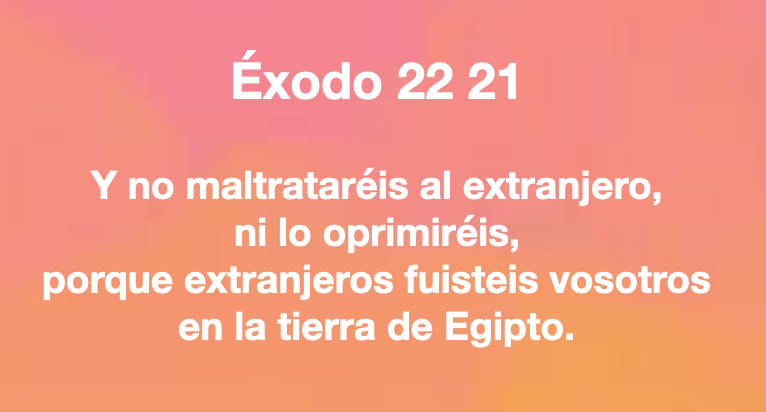
20 And you shall not mistreat a stranger, nor shall you oppress him, for you were strangers in the land of Egypt.   כוְגֵ֥ר לֹֽא־תוֹנֶ֖ה וְלֹ֣א תִלְחָצֶ֑נּוּ כִּֽי־גֵרִ֥ים הֱיִיתֶ֖ם בְּאֶ֥רֶץ מִצְרָֽיִם:


Shemot – Exodus – Chapter 22

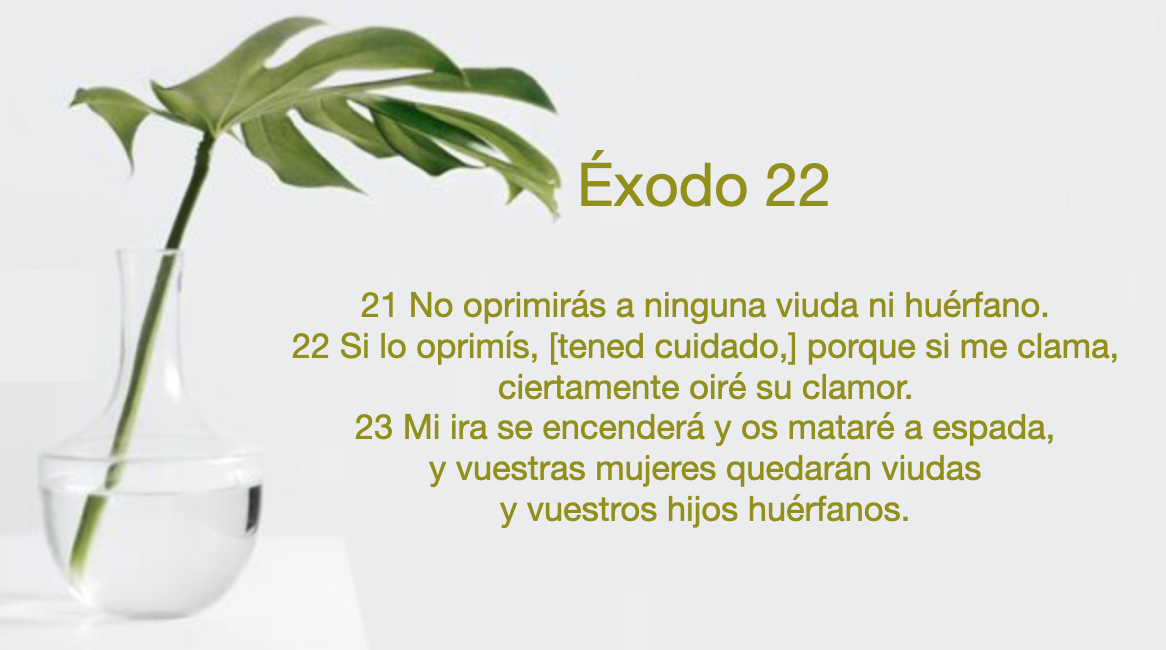
1 You shall not oppress any widow or orphan.   כאכָּל־אַלְמָנָ֥ה וְיָת֖וֹם לֹ֥א תְעַנּֽוּן:
22 If you oppress him, [beware,] for if he cries out to Me, I will surely hear his cry.   כבאִם־עַנֵּ֥ה תְעַנֵּה אֹת֑וֹ כִּ֣י אִם־צָעֹ֤ק יִצְעַק֙ אֵלַ֔י שָׁמֹ֥עַ אֶשְׁמַ֖ע צַֽעֲקָתֽוֹ:
23 My wrath will be kindled, and I will slay you with the sword, and your wives will be widows and your children orphans.   כגוְחָרָ֣ה אַפִּ֔י וְהָֽרַגְתִּ֥י אֶתְכֶ֖ם בֶּחָ֑רֶב וְהָי֤וּ נְשֵׁיכֶם֙ אַלְמָנ֔וֹת וּבְנֵיכֶ֖ם יְתֹמִֽים:


Shemot – Exodus – Chapter 23

1You shall not accept a false report; do not place your hand with a wicked person to be a false witness.   אלֹ֥א תִשָּׂ֖א שֵׁ֣מַע שָׁ֑וְא אַל־תָּ֤שֶׁת יָֽדְךָ֙ עִם־רָשָׁ֔ע לִֽהְיֹ֖ת עֵ֥ד חָמָֽס:


Shemot – Exodus – Chapter 23

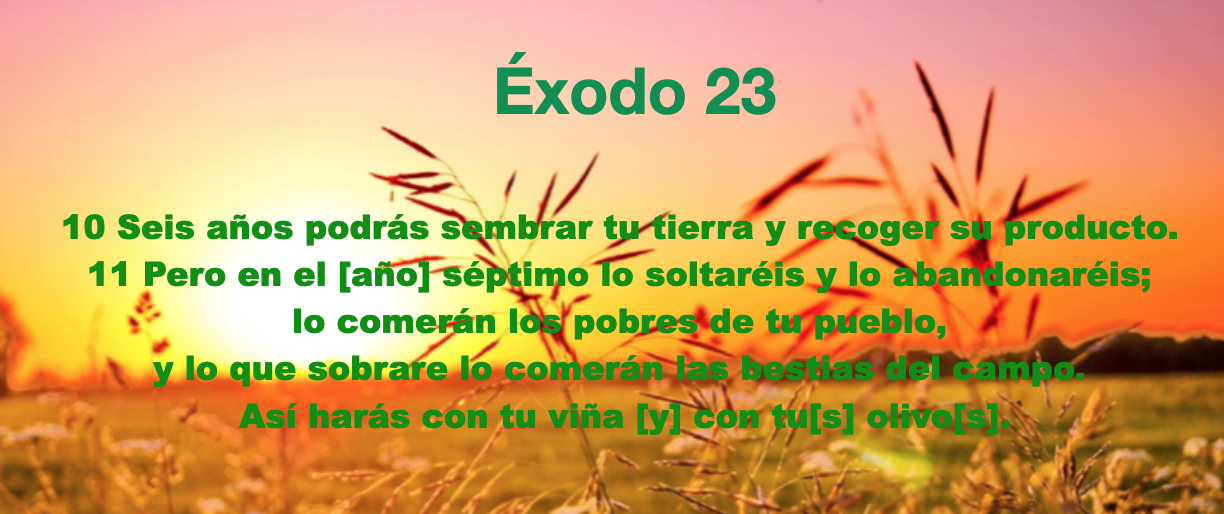
10 Six years you may sow your land and gather in its produce.   יוְשֵׁ֥שׁ שָׁנִ֖ים תִּזְרַ֣ע אֶת־אַרְצֶ֑ךָ וְאָֽסַפְתָּ֖ אֶת־תְּבֽוּאָתָֽהּ:
11 But in the seventh [year] you shall release it and abandon it; the poor of your people shall eat [it], and what they leave over, the beasts of the field shall eat. So shall you do to your vineyard [and] to your olive tree[s].   יאוְהַשְּׁבִיעִ֞ת תִּשְׁמְטֶ֣נָּה וּנְטַשְׁתָּ֗הּ וְאָֽכְלוּ֙ אֶבְיֹנֵ֣י עַמֶּ֔ךָ וְיִתְרָ֕ם תֹּאכַ֖ל חַיַּ֣ת הַשָּׂדֶ֑ה כֵּֽן־תַּֽעֲשֶׂ֥ה לְכַרְמְךָ֖ לְזֵיתֶֽךָ:


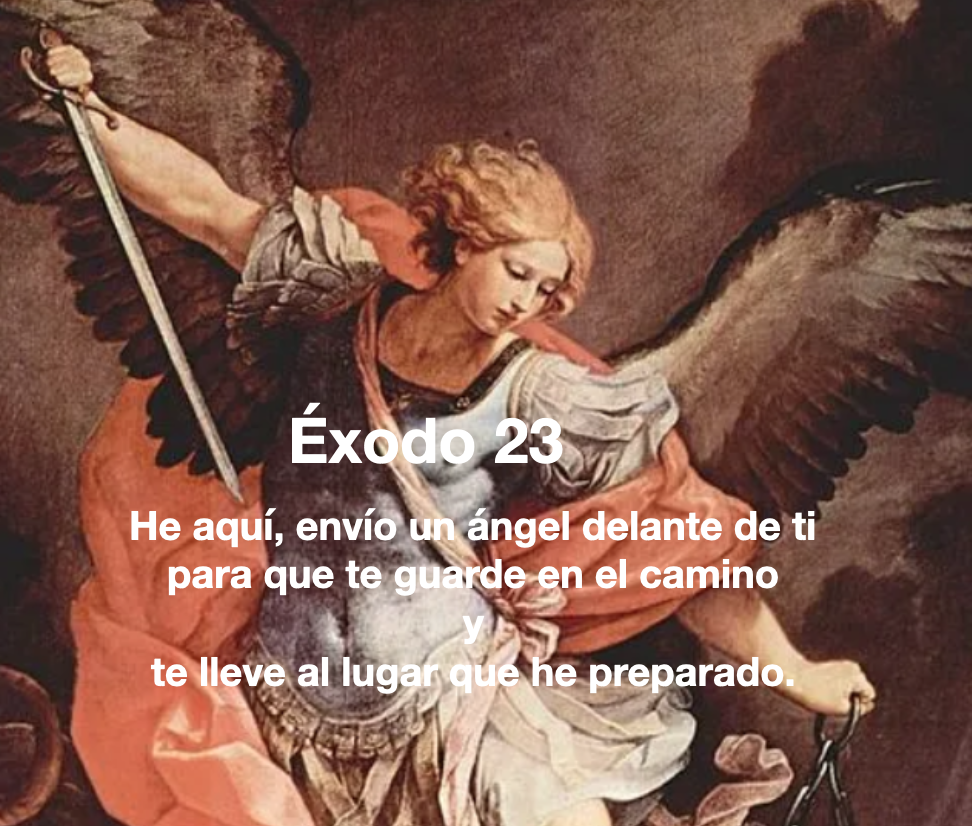
Éxodo 23

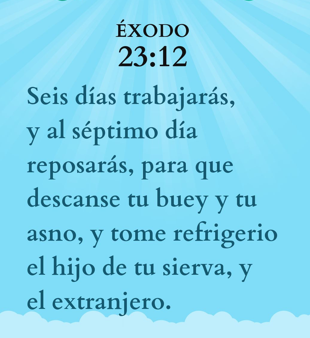
12 Six days you may do your work, but on the seventh day you shall rest, in order that your ox and your donkey shall rest, and your maidservant’s son and the stranger shall be refreshed.   יבשֵׁ֤שֶׁת יָמִים֙ תַּֽעֲשֶׂ֣ה מַֽעֲשֶׂ֔יךָ וּבַיּ֥וֹם הַשְּׁבִיעִ֖י תִּשְׁבֹּ֑ת לְמַ֣עַן יָנ֗וּחַ שֽׁוֹרְךָ֙ וַֽחֲמֹרֶ֔ךָ וְיִנָּפֵ֥שׁ בֶּן־אֲמָֽתְךָ֖ וְהַגֵּֽר:


Shemot – Exodus – Chapter 23

20 Behold, I am sending an angel before you to guard you on the way and to bring you to the place that I have prepared.   כהִנֵּ֨ה אָֽנֹכִ֜י שֹׁלֵ֤חַ מַלְאָךְ֙ לְפָנֶ֔יךָ לִשְׁמָרְךָ֖ בַּדָּ֑רֶךְ וְלַֽהֲבִ֣יאֲךָ֔ אֶל־הַמָּק֖וֹם אֲשֶׁ֥ר הֲכִנֹֽתִי:


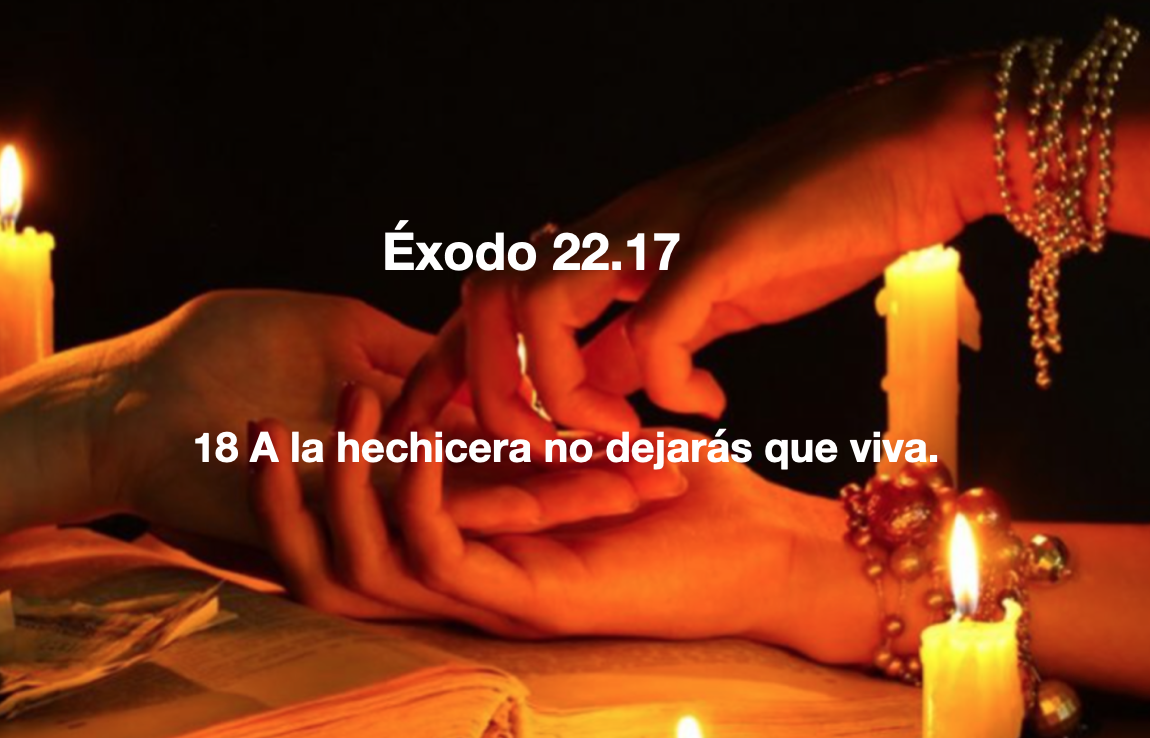
Shemot – Exodus – Chapter 22

17 You shall not allow a sorceress to live.   יזמְכַשֵּׁפָ֖ה לֹ֥א תְחַיֶּֽה:


chabad.org/parshah/jewish/Mishpatim-in-a-Nutshell

Shemot – Exodus – Chapter 23

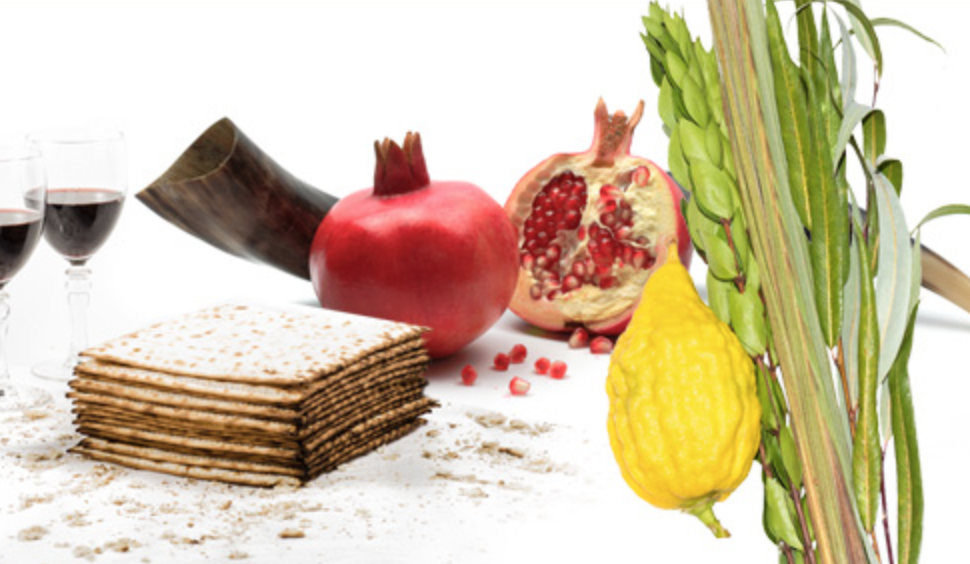
14 Three times you shall slaughter sacrifices to Me during the year.   ידשָׁל֣שׁ רְגָלִ֔ים תָּחֹ֥ג לִ֖י בַּשָּׁנָֽה:
15 You shall observe the festival of unleavened bread; for seven days you shall eat unleavened bread as I have commanded you, at the appointed time of the month of springtime, for then you left Egypt, and they shall not appear before Me empty handed.   טואֶת־חַ֣ג הַמַּצּוֹת֘ תִּשְׁמֹר֒ שִׁבְעַ֣ת יָמִים֩ תֹּאכַ֨ל מַצּ֜וֹת כַּֽאֲשֶׁ֣ר צִוִּיתִ֗ךָ לְמוֹעֵד֙ חֹ֣דֶשׁ הָֽאָבִ֔יב כִּי־ב֖וֹ יָצָ֣אתָ מִמִּצְרָ֑יִם וְלֹא־יֵֽרָא֥וּ פָנַ֖י רֵיקָֽם:
16 And the festival of the harvest, the first fruits of your labors, which you will sow in the field, and the festival of the ingathering at the departure of the year, when you gather in [the products of] your labors from the field.   טזוְחַ֤ג הַקָּצִיר֙ בִּכּוּרֵ֣י מַֽעֲשֶׂ֔יךָ אֲשֶׁ֥ר תִּזְרַ֖ע בַּשָּׂדֶ֑ה וְחַ֤ג הָֽאָסִף֙ בְּצֵ֣את הַשָּׁנָ֔ה בְּאָסְפְּךָ֥ אֶת־מַֽעֲשֶׂ֖יךָ מִן־הַשָּׂדֶֽה:

Mishpatim in a Nutshell

Exodus 21:1–24:18

The name of the Parshah, “Mishpatim,” means “Ordinances” and it is found in Exodus 21:1.

Following the revelation at Sinai, G‑d legislates a series of laws for the people of Israel. These include the laws of the indentured servant; the penalties for murder, kidnapping, assault and theft; civil laws pertaining to redress of damages, the granting of loans and the responsibilities of the “Four Guardians”; and the rules governing the conduct of justice by courts of law.

To read the full article

chabad.org/parshah/jewish/Mishpatim-in-a-Nutshell