Tishrei, the first month of the Jewish year, is replete with holidays.
Tishrei 2021 will begin in the evening preceding September 6
Tishrei (Tishri), the first month of the Jewish year (the seventh when counting from Nisan), is full of momentous and meaningful days of celebration. Beginning with the High Holidays, in this month we celebrate Rosh Hashanah, the Ten Days of Repentance, Yom Kippur, Sukkot and Simchat Torah.Each one is filled with its own meaningful customs and rituals. Some are serious, awesome days set aside for reflection and soul-searching. Some are joyous days full of happy and cheerful celebration.
But all of these days, throughout the month of Tishrei, are opportunities to connect, to be inspired, and to become more fulfilled and in tune with our true inner selves. Tishrei is considered the “head” of the year, and the reservoir from which we draw our strength and inspiration throughout the year ahead.
Tishrei, el primer mes del año Judío, está repleto de festividades.
Tishrei (Tishri), el primer mes del año Judío (el séptimo cuando se cuenta desde Nisan), está lleno de días de celebración trascendentales y significativos. Comenzando con las Altas Fiestas, en este mes celebramos Rosh Hashaná, los Diez Días del Arrepentimiento, Yom Kipur, Sucot y Simjat Torá. Cada uno está lleno de sus propias costumbres y rituales significativos. Algunos son días serios e increíbles reservados para la reflexión y el examen de conciencia. Algunos son días alegres llenos de celebración alegre y alegre.
Pero todos estos días, a lo largo del mes de Tishrei, son oportunidades para conectarnos, inspirarnos y sentirnos más realizados y en sintonía con nuestro verdadero ser interior. Tishrei es considerada la “cabeza” del año y el depósito del que sacamos nuestra fuerza e inspiración durante el próximo año.
Nuestros sabios nos dicen que cada fiesta del calendario judío se asocia a una parte diferente del cuerpo humano, y obviamente, Rosh Hashaná representa la “cabeza”.
Rosh HaShaná comienza al atardecer del 6 de septiembre del 2021, y culmina al atardecer del 8 de septiembre del 2021.
Rosh Hashana (en hebreo “cabeza del año), es el Año nuevo Judío que conmemora la creación del mundo, es el día más solemne junto a Yom Kipur.
Rosh Hashaná inicia el periodo de los Diez Días de Arrepentimiento, que culmina con Yom Kipur, el Día del Perdón. Estos días son de reflexión, en los que examinamos cuidadosamente quienes somos, de manera tal que podamos tomar conciencia de la manera en que hemos errado para con otros, para con nosotros mismos y para con Di-s. Esta introspección, tiene como meta llevarnos a sentimientos de arrepentimiento por el daño que hemos causado, intentar reparar cuando es posible, alejarnos de nuestra malas conductos del pasado, y actuar de modo diferente en el año siguiente.
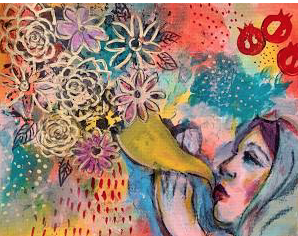
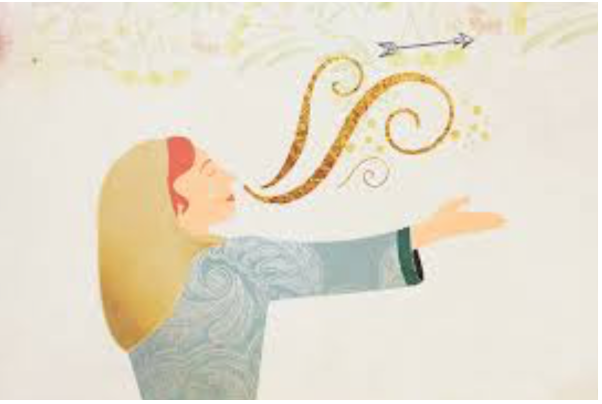
En Rosh Hashaná “coronamos” a Di-s, el Rey del universo. Por este motivo hacemos sonar el Shofar.
Shaná Tová Umetuká!!!
Shaná Tová Umetuká – Año Bueno y Dulce para el pueblo Judío en Israel y en el mundo!
NÚMEROS 29
(1) Y en el séptimo mes, el primer día, tendréis santa convocación; no realizarás ningún trabajo mundano. Será un día de shofar para ti.
Bamidbar – Numbers – Chapter 29
1 And in the seventh month, on the first day, there shall be a holy convocation for you; you shall not perform any mundane work. It shall be a day of shofar sounding for you.
1 Para el director; de los hijos de Coré, cántico. 2 Pueblos todos, aplaudan; aclamad a Dios con voz de alabanza. 3 Porque el Señor es Altísimo; sí, temido; un gran Rey sobre toda la tierra. 4 Él plagará pueblos en nuestro lugar y reinos debajo de nuestros pies. 5 Nos elegirá nuestra heredad, el orgullo de Jacob, a quien ama por siempre. 6 Dios será exaltado con el toque de trompeta; el Señor, con el sonido del shofar. 7 Cantad a Dios, cantad; canta a nuestro Rey, canta. 8 Porque Dios es el Rey de toda la tierra; canta una canción compuesta con sabiduría. 9 Dios ha reinado sobre naciones; Dios se ha sentado en su santo trono. 10 Se han reunido los voluntarios de los pueblos, el pueblo del Dios de Abraham, porque Dios tiene los escudos de la tierra; Él es sumamente exaltado.
Tehillim – Psalms – Chapter 47
1 For the conductor; of the sons of Korah, a song.
– En la primera noche de Rosh Hashaná, después del servicio de Ma’ariv, se acostumbra desearse el uno al otro: le shana tova tikatev vetejatem – “Que seas inscrito y sellado para un buen año, para una buena vida de inmediato.”
The Jewish New Year, anniversary of the creation of Adam and Eve, a day of judgment and coronation, and sounding of the shofar . . .
What: It is the birthday of the universe, the day G‑dcreated Adam and Eve, and it’s celebrated as the head of the Jewish year.
When: The first two days of the Jewish new year, Tishrei 1 and 2, beginning at sundown on the eve of Tishrei 1. Rosh Hashanah 2021 begins at sundown on September 6 and continues through nightfall on September 8 (see more details here).
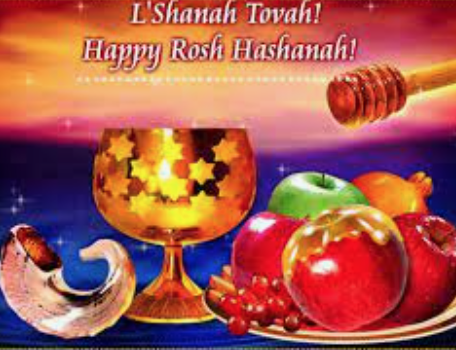
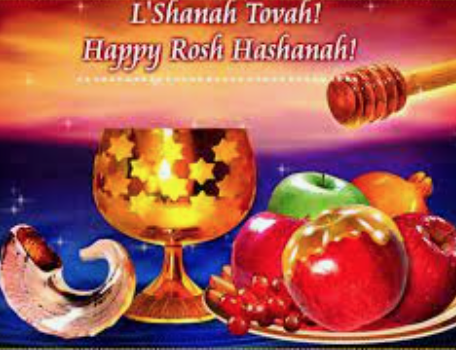
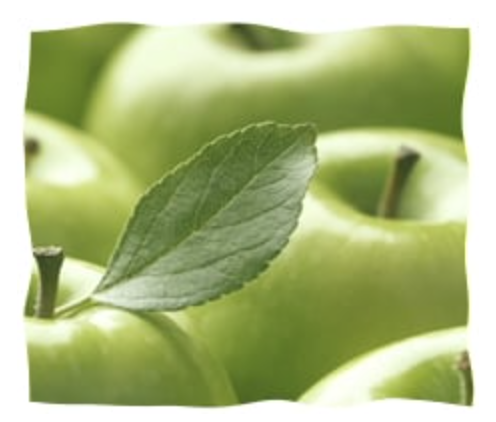
On both nights of Rosh Hashanah, a number of foods are eaten to symbolize our prayers and hopes for a sweet new year. Many of these foods were specifically chosen because their Hebrew names are related to other Hebrew words that convey our wishes for the coming year.1 An accompanying prayer is recited, expressing our wishes inherent in these words and foods.2 Recite each prayer while holding the particular food in the right hand, immediately before it is eaten.

 Rita Sibbick