

Tishrei 26, 5782 / Octubre 2, 2021
Barúj atá A-do-nái E-lo-héinu mélej haolám
ashér kidshánu bemitzvotáv vetzivánu
lehadlik ner shel Shabat Kodesh.
Bendito eres Tú, Di-s, nuestro Señor,
Rey del Universo, Quien nos santificó
con Sus preceptos y nos ordenó encender
las velas del sagrado Shabat.
Shabbat Bereshit
¿Por qué se llama así? Cada semana del año leemos una porción de la Torá. El ciclo termina y empieza de nuevo en la alegre fiesta de Simjat Torá, cuando leemos la parte final de Haazinú y las primeras líneas de la primera porción, Bereishit. En Shabbat se lee de la Torá toda la porción de Bereishit. Este Shabat es Shabat Mevarchim (“el Shabat que bendice” el nuevo mes).
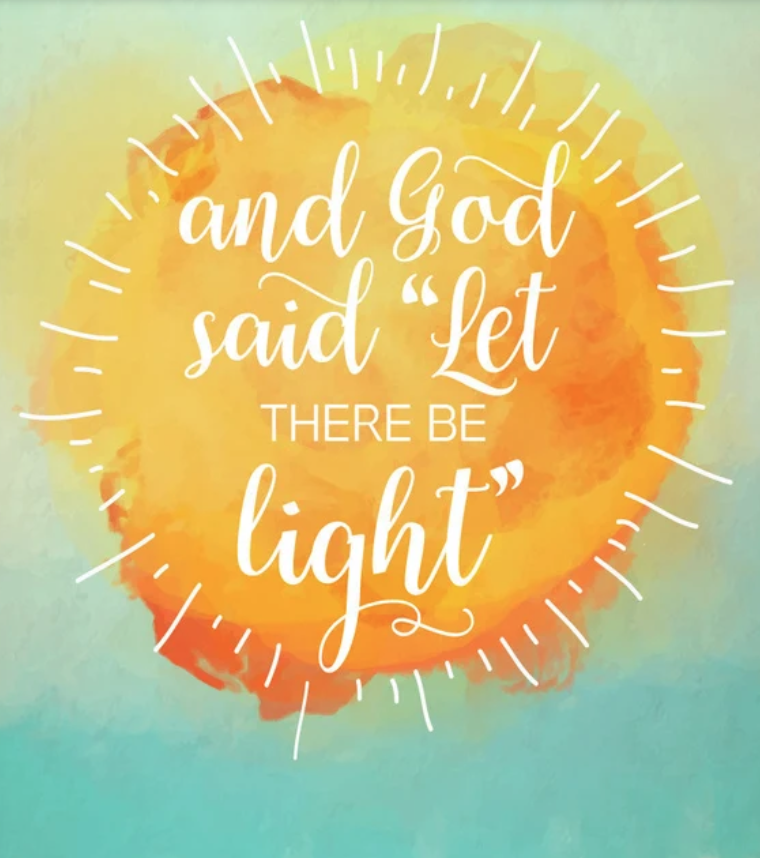
Genesis 1:3
Entonces dijo Dios: Sea la luz. Y hubo luz.
Torah Reading:
Haftarah:
Resumen de la Parashá
Génesis 1:1-6:8
Di-s crea el mundo en seis días. En el primero crea la luz y la oscuridad. En el segundo forma los cielos, dividiendo entre las “aguas superiores” y las “aguas inferiores”. En el tercero establece los límites de la tierra y el mar y llama a surgir a los árboles y los pastos de la tierra. En el cuarto día fija la posición del sol, la luna y las estrellas como señales para calcular el tiempo y como luminarias para la tierra. Los peces, aves y reptiles son creados en el quinto día; animales terrestres, y luego el ser humano en el sexto. Di-s termina Su trabajo en el séptimo día, y lo santifica como un día de descanso.
Di-s forma el ser humano del polvo de la tierra y sopla dentro de sus fosas nasales “un alma viviente”. Originalmente el hombre es una sola persona; pero decidiendo que “no es bueno que el hombre esté solo”, Di-s toma un “lado” del hombre, lo transforma en una mujer y los casa a uno con el otro (…)
Para leer el artículo completo:
es.chabad.org/jewish/Resumen-de-la-Parash
Bereishit in a Nutshell
Genesis 1:1–6:8
G‑d creates the world in six days. On the first day He makes darkness and light. On the second day He forms the heavens, dividing the “upper waters” from the “lower waters.” On the third day He sets the boundaries of land and sea, and calls forth trees and greenery from the earth. On the fourth day He fixes the position of the sun, moon and stars as timekeepers and illuminators of the earth. Fish, birds and reptiles are created on the fifth day; land animals, and then the human being, on the sixth. G‑d ceases work on the seventh day, and sanctifies it as a day of rest.
G‑d forms the human body from the dust of the earth, and blows into his nostrils a “living soul.” Originally Man is a single person, but deciding that “it is not good that man be alone,” G‑d takes a “side” from the man, forms it into a woman, and marries them to each other (…)
To read the full article:
chabad.org/jewish/Bereishit-in-a-Nutshell
Yeshayahu – Isaiah – Chapter 42 (5- 22)
| 5 So said God the Lord, the Creator of the heavens and the One Who stretched them out, Who spread out the earth and what springs forth from it, Who gave a soul to the people upon it and a spirit to those who walk thereon. | הכֹּֽה־אָמַ֞ר הָאֵ֣ל | יְהֹוָ֗ה בּוֹרֵ֚א הַשָּׁמַ֙יִם֙ וְנ֣וֹטֵיהֶ֔ם רֹקַ֥ע הָאָ֖רֶץ וְצֶֽאֱצָאֶ֑יהָ נֹתֵ֚ן נְשָׁמָה֙ לָעָ֣ם עָלֶ֔יהָ וְר֖וּחַ לַהֹֽלְכִ֥ים בָּֽהּ: | |
| 6 I am the Lord; I called you with righteousness and I will strengthen your hand; and I formed you, and I made you for a people’s covenant, for a light to nations. | ואֲנִ֧י יְהֹוָ֛ה קְרָאתִ֥יךָ בְצֶ֖דֶק וְאַחְזֵ֣ק בְּיָדֶ֑ךָ וְאֶצָּרְךָ֗ וְאֶתֶּנְךָ֛ לִבְרִ֥ית עָ֖ם לְא֥וֹר גּוֹיִֽם: | |
| 7 To open blind eyes, to bring prisoners out of a dungeon, those who sit in darkness out of a prison. | זלִפְקֹ֖חַ עֵינַ֣יִם עִוְר֑וֹת לְהוֹצִ֚יא מִמַּסְגֵּר֙ אַסִּ֔יר מִבֵּ֥ית כֶּ֖לֶא י֥שְׁבֵי חֹֽשֶׁךְ: | |
| 8 I am the Lord, that is My Name; and My glory I will not give to another, nor My praise to the graven images. | חאֲנִ֥י יְהֹוָ֖ה ה֣וּא שְׁמִ֑י וּכְבוֹדִי֙ לְאַחֵ֣ר לֹֽא־אֶתֵּ֔ן וּתְהִלָּתִ֖י לַפְּסִילִֽים: | |
| 9 The former things, behold they have come to pass, and the new things I tell; before they sprout I will let you hear. | טהָרִֽאשֹׁנ֖וֹת הִנֵּה־בָ֑אוּ וַֽחֲדָשׁוֹת֙ אֲנִ֣י מַגִּ֔יד בְּטֶ֥רֶם תִּצְמַ֖חְנָה אַשְׁמִ֥יע אֶתְכֶֽם: | |
| 10 Sing to the Lord a new song, His praise from the end of the earth, those who go down to the sea and those therein, the islands and their inhabitants. | ישִׁ֚ירוּ לַֽיהֹוָה֙ שִׁ֣יר חָדָ֔שׁ תְּהִלָּת֖וֹ מִקְצֵ֣ה הָאָ֑רֶץ יֽוֹרְדֵ֚י הַיָּם֙ וּמְלֹא֔וֹ אִיִּ֖ים וְיֹֽשְׁבֵיהֶֽם: | |
| 11 The desert and its cities shall raise [their voice]; Kedar shall be inhabited with villages; the rock dwellers shall exult, from the mountain peaks they shall shout. | יאיִשְׂא֚וּ מִדְבָּר֙ וְעָרָ֔יו חֲצֵרִ֖ים תֵּשֵׁ֣ב קֵדָ֑ר יָרֹ֙נּוּ֙ י֣שְׁבֵי סֶ֔לַע מֵרֹ֥אשׁ הָרִ֖ים יִצְוָֽחוּ: | |
| 12 They shall give glory to the Lord, and they shall recite His praise on the islands. | יביָשִׂ֥ימוּ לַֽיהֹוָ֖ה כָּב֑וֹד וּתְהִלָּת֖וֹ בָּֽאִיִּ֥ים יַגִּֽידוּ: | |
| 13 The Lord shall go out like a hero; like a warrior shall He arouse zeal; He shall shout, He shall even cry, He shall overpower His foes. | יגיְהֹוָה֙ כַּגִּבּ֣וֹר יֵצֵ֔א כְּאִ֥ישׁ מִלְחָמ֖וֹת יָעִ֣יר קִנְאָ֑ה יָרִ֙יעַ֙ אַף־יַצְרִ֔יחַ עַל־אֹֽיְבָ֖יו יִתְגַּבָּֽר: | |
| 14 I was silent from time immemorial; I am still, I restrain Myself. Like a travailing woman will I cry; I will be terrified and destroy them together. | ידהֶֽחֱשֵׁ֙יתִי֙ מֵֽעוֹלָ֔ם אַֽחֲרִ֖ישׁ אֶתְאַפָּ֑ק כַּיּֽוֹלֵדָ֣ה אֶפְעֶ֔ה אֶשֹּׁ֥ם וְאֶשְׁאַ֖ף יָֽחַד: | |
| 15 I will destroy mountains and hills, and all their grass I will dry out, and I will make rivers into islands and I will dry up the pools. | טואַֽחֲרִ֚יב הָרִים֙ וּגְבָע֔וֹת וְכָל־עֶשְׂבָּ֖ם אוֹבִ֑ישׁ וְשַׂמְתִּ֚י נְהָרוֹת֙ לָֽאִיִּ֔ים וַֽאֲגַמִּ֖ים אוֹבִֽישׁ: | |
| 16 And I will lead the blind on a road they did not know; in paths they did not know I will lead them; I will make darkness into light before them, and crooked paths into straight ones. These things, I will do them and I will not forsake them. | טזוְהֽוֹלַכְתִּ֣י עִוְרִ֗ים בְּדֶ֙רֶךְ֙ לֹ֣א יָֽדָ֔עוּ בִּנְתִיב֥וֹת לֹֽא־יָֽדְע֖וּ אַדְרִיכֵ֑ם אָשִׂים֩ מַחְשָׁ֨ךְ לִפְנֵיהֶ֜ם לָא֗וֹר וּמַֽעֲקַשִּׁים֙ לְמִישׁ֔וֹר אֵלֶּה הַדְּבָרִ֔ים עֲשִׂיתִ֖ם וְלֹ֥א עֲזַבְתִּֽים: | |
| 17 They shall turn back greatly ashamed, those who trust in the graven image, who say to the molten idols, “You are our gods.” | יזנָסֹ֚גוּ אָחוֹר֙ יֵבֹ֣שׁוּ בֹ֔שֶׁת הַבֹּֽטְחִ֖ים בַּפָּ֑סֶל הָאֹֽמְרִ֥ים לְמַסֵּכָ֖ה אַתֶּ֥ם אֱלֹהֵֽינוּ: | |
| 18 You deaf ones, listen, and you blind ones, look to see. | יחהַחֵֽרְשִׁ֖ים שְׁמָ֑עוּ וְהַֽעִוְרִ֖ים הַבִּ֥יטוּ לִרְאֽוֹת: | |
| 19 Who is blind but My servant, and deaf as My messenger whom I will send? He who was blind is as the one who received his payment, and he who was blind is as the servant of the Lord. | יטמִ֚י עִוֵּר֙ כִּ֣י אִם־עַבְדִּ֔י וְחֵרֵ֖שׁ כְּמַלְאָכִ֣י אֶשְׁלָ֑ח מִ֚י עִוֵּר֙ כִּמְשֻׁלָּ֔ם וְעִוֵּ֖ר כְּעֶ֥בֶד יְהֹוָֽה: | |
| 20 There is much to see but you do not observe, to open the ears but no one listens. | כרָא֥וֹת (כתיב רָאֹ֥ית) רַבּ֖וֹת וְלֹ֣א תִשְׁמֹ֑ר פָּק֥וֹחַ אָזְנַ֖יִם וְלֹ֥א יִשְׁמָֽע: | |
| 21 The Lord desires [this] for His righteousness’ sake; He magnifies the Torah and strengthens it. | כאיְהֹוָ֥ה חָפֵ֖ץ לְמַ֣עַן צִדְק֑וֹ יַגְדִּ֥יל תּוֹרָ֖ה וְיַאְדִּֽיר: |
Isaías 42 (5-21)
(5) Así dice Dios el Eterno, el que creó los cielos y los expandió; el que expandió la tierra y lo que sale de ella; el que da aliento a la gente sobre ella:
(6) “Yo el Eterno te he llamado en justicia, te he tomado de la mano, te he guardado y te he puesto por Pacto del pueblo, por luz de las naciones,
(7) para abrir los ojos ciegos, para sacar a los prisioneros de las cárceles y a los que se sientan en la oscuridad fuera de la prisión.
(8) Yo soy el Eterno; ése es Mi Nombre. Y Mi gloria, no se la daré a otro, ni Mi alabanza a imágenes esculpidas.
(9) He aquí que las cosas predichas antes ya sucedieron y ahora anuncio cosas nuevas. Las digo antes de que ocurran”.
(10) Entonad un nuevo cántico al Eterno y alabadle desde los confines de la tierra. Vosotros que vayáis al mar y todo lo que él contiene; las islas y los moradores de ellas.
(11) Que el desierto, sus ciudades y los pueblos que habitan kedar eleven sus voces. Que se exalten los habitantes de Sela. Que griten desde la cumbre de las montañas.
(12) Que gloríen al Eterno y declaren Su alabanza en las islas.
(13) El Eterno saldrá como un hombre poderoso. Provocará los celos de un guerrero. Alzará Su voz y gritará. Se mostrará poderoso contra Sus enemigos.
(14) Hace mucho tiempo que me mantengo en paz. He estado tranquilo y me he dominado, pero ahora gritaré como mujer en trance, suspirando y jadeando a la vez.
(15) Asolaré montañas, colinas y secaré todas sus plantas; haré de los ríos islas y secaré las cisternas.
(16) Y conduciré a los ciegos por un camino que no conocen. Por senderos que no conocieron, los llevaré haciendo de las tinieblas luz ante ellos y de los lugares abruptos, llanos. Tales cosas he de hacer y no las dejaré sin hacer.
(17) Se darán vuelta, grandemente abochornados, los que confían en imágenes esculpidas, los que hablan a las imágenes fundidas diciendo: “Vosotros sois nuestro Dios”.
(18) ¡Oíd, oh sordos! ¡ Y mirad, oh ciegos para que podáis ver!
(19) ¿Quién es ciego sino Mi ciervo?¿Y quién es sordo como Mi mensajero que envié? ¿Quién es tan ciego como el que es sincero y ciego como el ciervo del Eterno?
(20) Mirando muchas cosas no ve ninguna. Abriendo sus oidos, el no oye nada.
(21) El Eterno se complace a causa de Su propia justicia, en hacer las enseñanza grande y gloriosa.
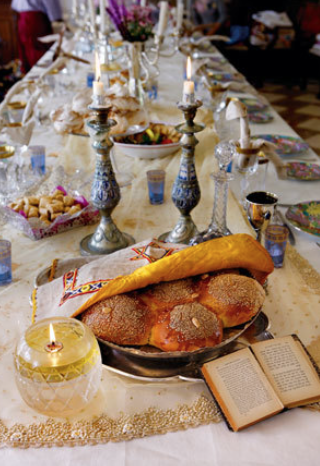
What to Expect at a Shabbat Dinner
General Information
Shabbat is a day of rest that lasts from sundown on Friday evening through nightfall on Saturday night. In addition to a plethora of things that observant Jews will famously not do on Shabbat (such as driving, working, or turning on a light switch), there are a host of things we do do in order to “make the Shabbat a delight” (in the words of Isaiah 58:13).
To read the full article:
chabad.org/jewish/What-to-Expect-at-a-Shabbat-Dinner
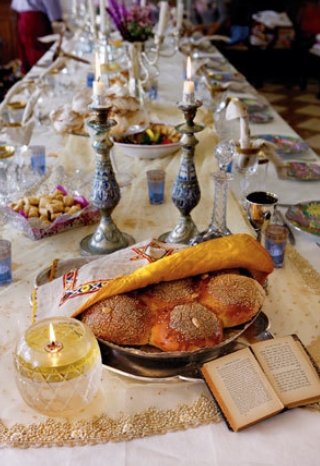
La noche del viernes – Guía paso a paso
Aquí encontrarás todo lo que necesitas saber para tener una cena de Shabat maravillosa junto a tu familia.
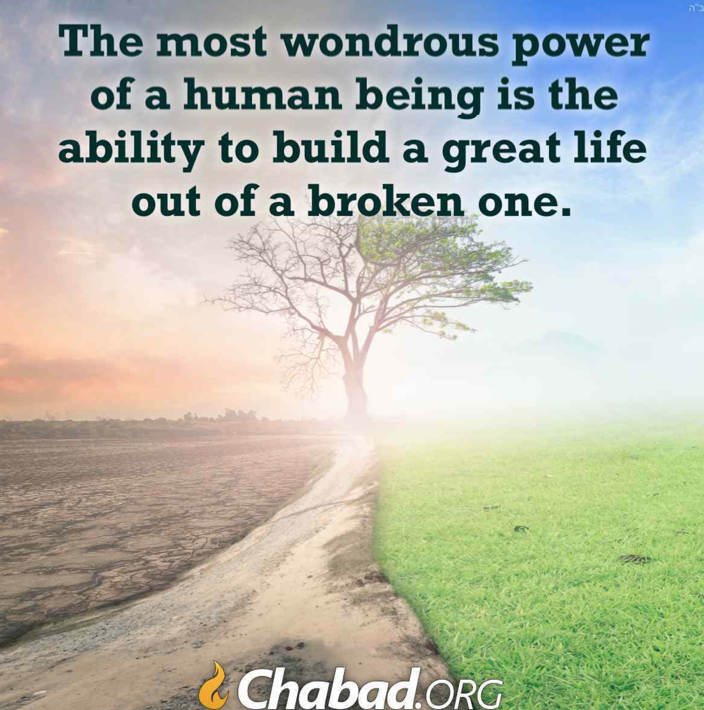
Doing things right just makes a lot of sense. Like following the script of life.
Messing up just sort of happens. Like dropping the script of life.
But the most wondrous thing in any human life is when someone messes up real bad, gets trapped in the wreckage, and then turns around and creates a great life out of the one he’s broken.
Even the Creator of Life Himself smiles in wonder.
Because that wasn’t in the script. It’s even better.
Hacer las cosas bien tiene mucho sentido. Como seguir el guión de la vida.
Echar a perder es algo que sucede. Como dejar caer el guión de la vida.
Pero lo más maravilloso en cualquier vida humana es cuando alguien se equivoca de verdad, queda atrapado en los escombros y luego se da la vuelta y crea una gran vida a partir de la que está roto.
Incluso el mismo Creador de la vida sonríe maravillado.
Porque eso no estaba en el guión. Es incluso mejor.

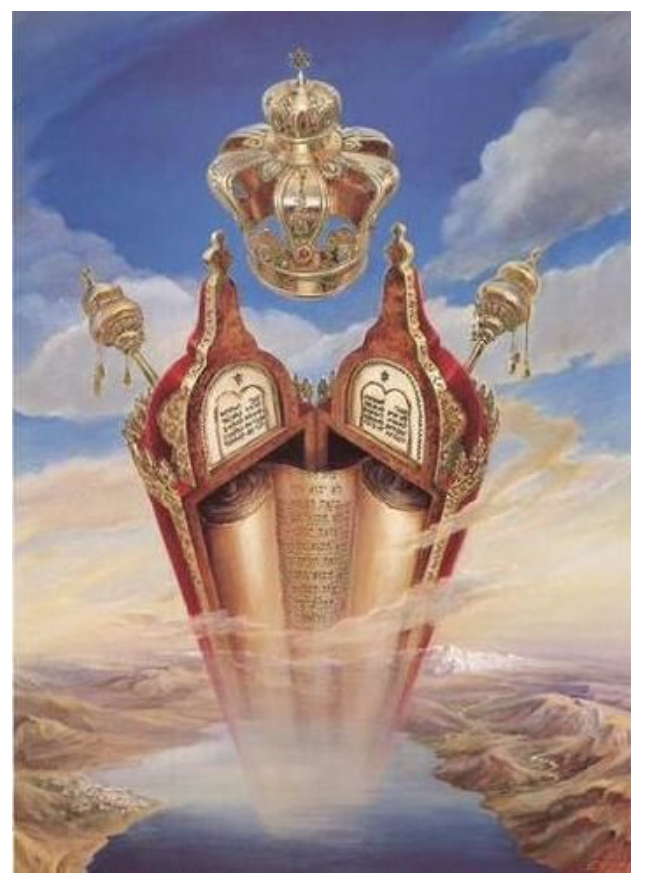


 Rita Sibbick